
China cuts gasoline and diesel price caps for first time since Iran war began
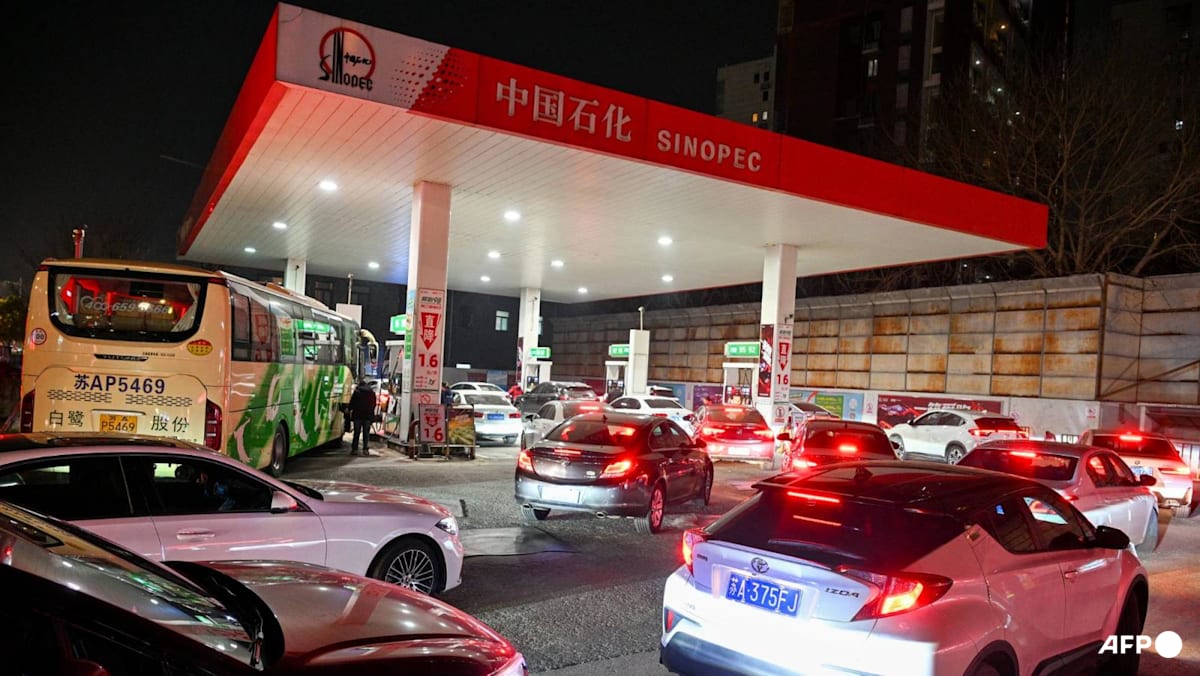
China cuts gasoline, diesel price caps for first time since Iran war began
BEIJING: China will lower domestic retail gasoline and diesel price caps from Tuesday (Apr 21) night, marking its first cut this year as global oil prices retreated from their peaks of the Iran war.
The price drop will save a private car owner about US$3.23 to fill a 50L tank of 92-octane gasoline.
Beijing has raised maximum retail prices for gasoline and diesel three times since March as the war, which began with US and Israeli strikes on Iran on Feb 28, sent oil prices soaring.
The recent two rises were capped at around half the increase implied by China’s pricing mechanism to shield consumers.
Retail gasoline and diesel ceiling prices will fall by 555 yuan (US$81.44) and 530 yuan per metric ton, respectively, China’s National Development and Reform Commission (NDRC) said.
High gasoline and diesel prices have sharply curbed retail consumption, leading to a surge in inventories at independent refineries and prompting widespread wholesale price cuts to clear stocks, Chinese consultancy Oilchem said.
The NDRC reviews and adjusts retail gasoline and diesel prices every 10 working days. Its rate reflects changes in global crude prices and accounts for average processing costs, taxes, distribution expenses and appropriate profit margins.
China last raised the maximum gasoline and diesel prices on Apr 7, by 420 yuan per ton and 400 yuan per ton, respectively.
Oil prices have fallen from peaks seen earlier this month after the US and Iran reached a temporary ceasefire, though the outlook has turned more uncertain again.
Iran condemned the US for what it called an attack on the Iranian commercial vessel Touska, raising fresh doubts over whether the agreement will hold.
The US has maintained its blockade of Iranian ports, while Iran lifted and then soon reimposed its own blockade of the Strait of Hormuz, which typically handles roughly one-fifth of the world’s oil and liquefied natural gas supply.
Another month of disruption in the strategic waterway could push oil prices toward US$110 a barrel in the second quarter of 2026, Citi analysts said.