
China Clears Out DDR5 RAM Stock Amid Global Memory Crisis
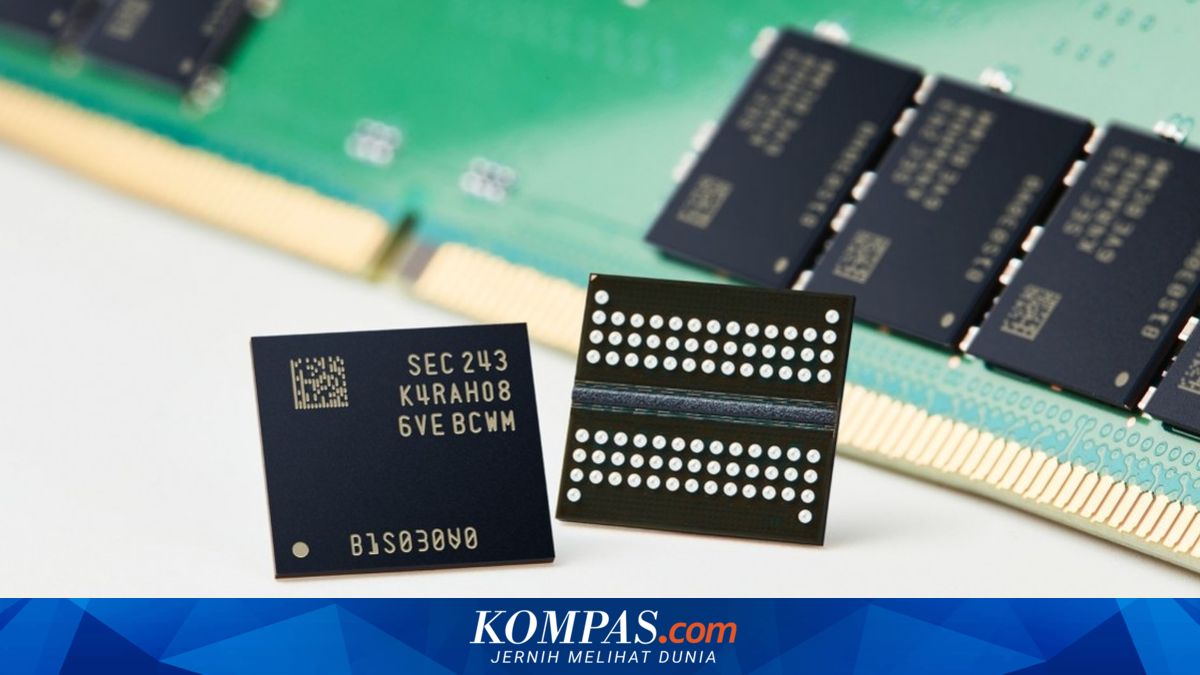
Amid a global memory crisis that has sharply increased RAM prices, an unusual situation is unfolding in the Chinese market, where distributors are rushing to clear their warehouses. This move has triggered significant price reductions for RAM, particularly DDR5, in recent weeks of late April. In the Chinese market, the price of 16GB DDR5 SO-DIMM modules has reportedly dropped from around 1,759 yuan (approximately Rp 4.3 million) to 1,159 yuan (approximately Rp 2.8 million). This represents a decline of about 34% compared to February 2026. This is not the first recent price drop for memory. In mid-April, 32GB DDR5 kits also fell by up to 30%, while 8GB and 16GB DDR4 modules declined by up to 25%. Distributors are now forced to offload stock as the market weakens. Small vendors can no longer absorb RAM at high prices, and demand from home PC consumers has also decreased. Additionally, market panic has been triggered by Google’s introduction of TurboQuant memory compression technology, which is claimed to reduce memory usage by up to six times for artificial intelligence (AI) needs. The emergence of this technology has made hoarders fearful that demand from large-scale data centres will decline, prompting them to rush to sell stock before prices fall further. Nevertheless, current RAM prices are still far higher than normal conditions. In the same period last year, similar modules were sold for around 246 yuan or approximately Rp 600,000. Thus, even after the drop, DDR5 prices are still nearly five times more expensive than the previous year. The price decline trend is also evident in global markets. In Germany, DDR5 prices fell by about 7% in March, while in the United States, Corsair’s 32GB DDR5 kits reportedly dropped by up to 20%. This situation arises because memory manufacturers are prioritising supply for data centres over the consumer market, making supply for PCs and laptops limited. Although spot market prices are beginning to fall due to the stock clearance action, consumers may not immediately feel the impact on assembled PC or laptop prices. This is because major manufacturers purchase RAM through long-term contracts, not daily spot market prices, as gathered by KompasTekno from Tech Radar and WCCF Tech. In fact, according to analyst projections, contract market memory prices are still expected to rise. DRAM is forecasted to surge by up to 63%, while NAND Flash could increase by up to 75% in the second quarter of 2026.