
China Builds "Water Toll", Shortens Trade Routes by Hundreds of Km to Indonesia and Neighbours
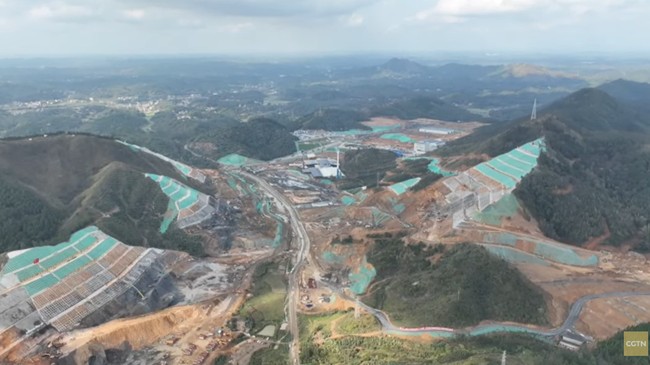
China is once again demonstrating its ambition to strengthen global trade routes. The Bamboo Curtain nation is currently building the Pinglu Canal, a 134-kilometre waterway designed to connect China’s inland regions directly to international sea lanes. The official target of the Chinese government is for the project to begin operations around the end of 2026, if all construction work proceeds according to schedule. This nearly US$10 billion project is projected to reduce logistics costs, accelerate goods distribution, and strengthen China’s trade relations with Southeast Asia amid weakening exports to the United States. China’s New Route Cuts Shipping Distances by Hundreds of Kilometres The Pinglu Canal connects Nanning City in the Guangxi region with the Gulf of Tonkin, or Beibu Gulf, on China’s southern coast. The route largely follows the Qinjiang River before reaching the sea. The presence of this canal will allow ships from southwest China to no longer rely on Guangdong Province as the main route to international trade. In other words, China is creating a new “water toll road” to accelerate the flow of goods from inland areas. If it operates as planned by the end of 2026, the canal is estimated to cut shipping routes by around 560 kilometres. This efficiency is considered vital for distributing manufactured goods and industrial materials sent in large volumes. Local authorities estimate logistics cost savings of more than 5.2 billion yuan, or about US$750 million, per year, mainly from reduced travel time and fuel consumption. More Than Just a Canal, China Builds a Giant Logistics System China is not only building an ordinary canal but also a large-scale water logistics system with complex technology and infrastructure. This giant system from the canal is projected to provide significant economic and logistical benefits to China. China Increasingly Focuses on ASEAN, But Environmental Risks Loom The construction of the Pinglu Canal is not merely a domestic infrastructure project but also reflects a shift in China’s trade strategy direction. Amid weakening exports to the United States, Beijing is now more aggressively strengthening economic connections with Southeast Asia through the development of new, faster, and more efficient logistics routes. Behind this economic potential, the giant canal project also raises various concerns regarding ecological impacts. Large-scale river flow changes are considered potentially to affect water quality, wetland habitats, and fish migration. As a mitigation step, the Chinese government claims to have prepared: - 36 ecological conservation zones, - Wildlife crossing routes, - Real-time fish movement monitoring systems. However, several researchers warn that large canals still risk bringing seawater further inland and increasing pollution accumulation in waters with slow currents. Despite promising logistics efficiency and great economic potential, the Pinglu Canal still leaves serious environmental challenges. The success of this project will also be measured by China’s ability to maintain ecosystem balance along the canal route.
Source: jawawa.id (https://jawawa.id/newsitem/china-builds-water-toll-shortens-trade-routes-by-hundreds-of-km-to-indonesia-and-neighbours-1778334717)
Originally published by CNBC Indonesia (https://www.cnbcindonesia.com/research/20260509121622-128-733665/china-bangun-tol-air-perpendek-jalur-dagang-ratusan-km-ke-ri-cs), translated from Indonesian