
China Becomes the 'New OPEC', Dominating and Steering the Global Oil Market
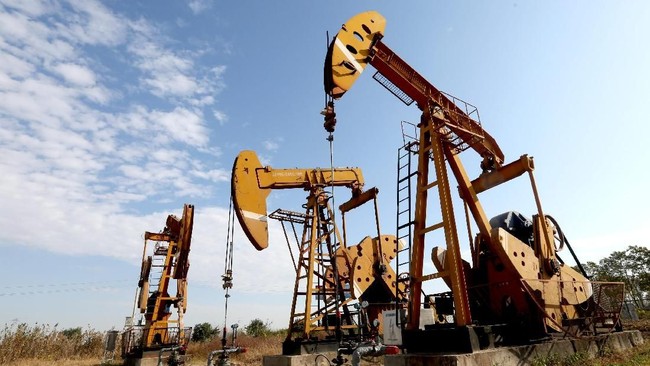
China is emerging as the new master of the global oil market. Beijing’s ability to regulate purchasing, storage, and consumption means its decisions are increasingly determining the movement of global energy prices. This power became evident when the Iran war triggered the largest oil supply disruption in history. The closure of the Strait of Hormuz trapped around 14 million barrels of crude oil per day in the Gulf region. However, oil prices never touched US$150 per barrel as many analysts had predicted at the start of the conflict.
Decisions by several countries helped mitigate the impact. Saudi Arabia and the United Arab Emirates channelled an additional 5 million barrels per day through pipelines bypassing Hormuz. The United States and Japan also released about 2 million barrels per day from emergency reserves, while energy rationing in several developing countries suppressed demand. However, prices could have soared much higher without the massive shift that occurred in China. From February to June 2026, the country slashed crude oil imports by half, or around 5.5 million barrels per day. Experts estimate that China’s import reduction helped keep Brent prices at least US$30 per barrel lower. The scale even exceeded half the drop in global oil demand during the Covid-19 pandemic, when global consumption fell by about 9 million barrels per day.
The difference is that the pandemic-era demand drop was caused by a halt in global economic activity. This time, China managed to drastically reduce imports without plunging its economy into recession. China’s gross domestic product (GDP) still grew 4.3% year-on-year in the second quarter of 2026. This condition gives China an ability previously synonymous with the Organization of the Petroleum Exporting Countries (OPEC) and its allies. While OPEC+ seeks to maintain prices by managing production, China can influence the market from the demand side. Beijing’s position is further strengthened as OPEC+ faces fragmentation following the departure of the UAE and production capacity limitations in several Gulf states. China also holds another advantage: OPEC+ decisions require agreement from 21 countries, whereas China’s energy policy can be executed centrally by the government.
China’s ability to slash oil imports without causing major economic damage rests on three main instruments. The first is utilising large oil inventories. During the 12 months leading up to early 2026, when the market faced a supply glut and relatively cheap prices, China purchased about 200 million barrels to add to its stockpiles, which had already reached approximately 1 billion barrels. These purchases are estimated to have lifted global oil prices by US$10 to US$20 per barrel before the Iran war broke out. After the last pre-war shipments from the Gulf arrived in late April, China began drawing down these inventories. Data from Vortexa shows China’s oil inventories fell by about 70 million barrels up to July, not counting oil stored on ships and other unrecorded locations. When all storage is accounted for, China is estimated to have drawn down around 150 million barrels in three months, equivalent to 1.5 million barrels per day. Combined with the halt of 1 million barrels per day in stockpiling purchases, inventory management explains about 2.5 million barrels per day of the total 5.5 million barrel per day import reduction.
The second instrument is controlling exports. China is the world’s second-largest oil refiner and a major supplier of fuel products to Asian countries. In March, the government asked domestic refineries to stop signing new export contracts and to cancel some existing agreements. As a result, exports of refined oil products fell by nearly half from February to April, to about 430,000 barrels per day. This reduction, including 180,000 barrels per day of jet fuel, is estimated to have saved refineries 1.2 million to 1.8 million barrels per day of crude oil needs. The move made more refinery output available for the domestic market, and crude previously used for export products could be redirected to produce naphtha, LPG, and fuel oil that were usually imported from the Gulf region.
The third instrument is suppressing domestic consumption. The scale of China’s import reduction cannot be fully explained by inventories and export restrictions alone, as the government also curbed domestic oil demand.
Source: jawawa.id (https://jawawa.id/newsitem/china-becomes-the-new-opec-dominating-and-steering-the-global-oil-market-1786362694)
Originally published by CNBC Indonesia (https://www.cnbcindonesia.com/research/20260810135523-128-757962/china-kini-jadi-opec-baru-penguasa-pemain-pasar-minyak-dunia), translated from Indonesian