
China Becomes the King of Watermelons Worldwide, Indonesia's Production is Insignificant
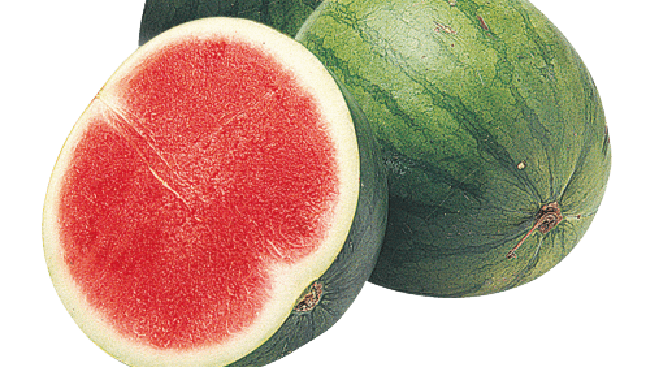
Jakarta, CNBC Indonesia - The global watermelon market shows bright prospects amid shifts in worldwide consumer patterns towards fresh and healthy products.
Based on the latest data, the global watermelon market value reached US$30.2 billion in 2024 and is projected to increase to US$45.8 billion by 2033, with a compound annual growth rate (CAGR) of 4.7%.
Growth in Demand and Changes in Consumption
Global demand for watermelons is driven by changes in consumer lifestyles that increasingly prioritise low-calorie, hydrating, and nutritious foods. Watermelons have become a top choice due to their hydration content and antioxidants, as well as their versatility for direct consumption or processing into various products.
Additionally, the trend towards convenient products has boosted the popularity of seedless watermelons, which now hold a significant market share.
On the distribution side, developments in e-commerce and cold chain systems have expanded consumer access to high-quality fresh fruit, particularly in urban areas.
Seed Innovation and Upstream Sector Transformation
In line with rising demand, the watermelon seed industry is experiencing faster growth, with a projected CAGR of around 7.8% until 2030.
This transformation is driven by the adoption of hybrid seeds and superior varieties such as triploid (seedless) ones, which can increase yields and fruit quality. Modern seed technology enables resistance to diseases and climate change, providing solutions for farmers to maintain productivity.
The Asia-Pacific region remains the main player, while Africa is emerging as the fastest-growing area thanks to investment support and the need for drought-resistant varieties.
Geographical Analysis of the Watermelon and Seed Market
Geographically, the dynamics of the watermelon and seed market show diverse patterns between developed and developing regions.
Opportunities and Challenges in the Watermelon Market
The watermelon market has significant opportunities from digital agricultural transformation, the development of premium and organic products, and expansion into derivative sectors such as functional beverages and plant-based foods.
Continuously growing demand in urban markets and developing countries also opens space for investments in cold chain logistics, packaging innovations, and direct-to-consumer distribution.
On the other hand, the industry faces obstacles such as slow technology adoption in some regions, limited expertise, and rising production costs. Climate change risks and water scarcity also pose threats to production stability, necessitating more efficient and resilient farming strategies.
Global Watermelon Production
China has solidified its position as the king of global watermelon production. In 2022, the country produced around 60.4 million metric tons of watermelons, accounting for more than 60% of total world production.
Top 5 Global Watermelon Producing Countries
Here are the five largest watermelon producing countries in the world based on annual production value in metric tons, sourced from World Population Review for 2022:
China
China produced around 60.4 million metric tons of watermelons in 2022, contributing more than 60% of global production. The main production regions include Gansu, Xinjiang, and Inner Mongolia. These areas offer optimal conditions for watermelon growth, including abundant sunlight and suitable temperatures.
The country has favourable climate conditions and advanced agricultural technology, which contribute to its dominance in watermelon production. The application of modern farming practices, such as efficient irrigation systems and high-yield seed varieties, also contributes to increased production.
In China, watermelons are a popular summer fruit, with per capita consumption among the highest in the world. Additionally, watermelons hold cultural significance in various festivals in China and are often associated with luck and prosperity. Although most are consumed domestically, China’s watermelon exports continue to rise, reaching international markets in Asia, Europe, and other regions.
Turkey
Turkey produced around 3.4 million metric tons of watermelons in 2022. The Mediterranean and Aegean regions, particularly Adana and Antalya, are the main cultivation areas.
The supportive climate and fertile soil facilitate watermelon farming. The large production makes watermelons a staple in the Turkish diet as well as a commodity exported to various countries.
India
India’s watermelon production reached around 3.3 million metric tons in 2022. The main producing states include Maharashtra, Andhra Pradesh, and Karnataka. The diverse climate allows year-round cultivation. Watermelons are an important part of the local economy, especially during the summer season.
Algeria
Algeria harvested watermelons from around 54,000 hectares of land in 2022, with an average yield of 37 tons per hectare. The production area slightly decreased by 8.4% compared to 2021, but the yield per hectare increased by 6.4%. Watermelon cultivation plays an important role in Algeria’s agricultural sector.
Brazil
Brazil’s watermelon production reached around 1.9 million metric tons in 2022, down 10.7% from the previous year. The country has a supportive climate and fertile soil for watermelon cultivation. Despite the decline, Brazil remains an important producer in South America.
Other Important Watermelon Producers
Other countries that contribute significantly to global watermelon production include Russia, Pakistan, the United States, Senegal, and Uzbekistan. These countries have positioned themselves as key players in the watermelon industry, each with distinctive cultivation practices and varieties.
Indonesia itself is not a major watermelon producer on the world stage, as indicated by its position in the list, which places it far below the top rankings.