
China Angered as Hello Kitty Maker Ends Collaboration with Japanese Spy Series
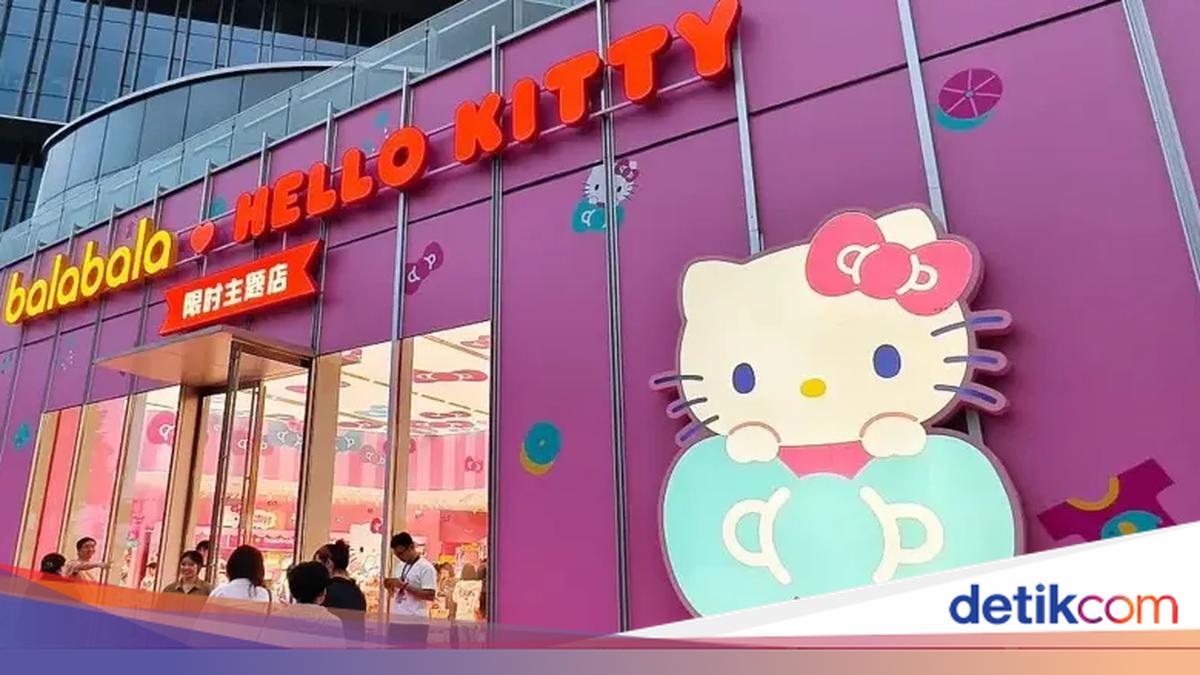
Sanrio, the company and copyright holder behind Hello Kitty, has apologised and ended a souvenir sales partnership with a controversial Japanese television series after it sparked a backlash in China.
Vivant, a popular Japanese spy thriller, has faced widespread criticism from Chinese state media and social media users.
The series was criticised for depicting Chinese agents using brutal torture methods against a Japanese agent.
The criticism then spread to Sanrio characters known around the world, including Hello Kitty, My Melody and Cinnamoroll, which appeared on merchandise dressed as characters from the series.
Sanrio said it had ended its collaboration with Vivant after determining that the series “contains elements that are not aligned with Sanrio’s core values”. The company also said it would tighten its review and assessment process for similar partnerships in future to ensure they comply with its principles and values.
“Throughout its history, Sanrio has consistently used its characters to convey values such as caring and human connection, and remains committed to its corporate philosophy of fostering harmony among all people,” the company said in a statement released on Wednesday evening.
“We take very seriously the feedback we have received regarding this incident. Going forward, we will strengthen the review process for all future collaborative projects.”
‘Hello Kitty should not dance with Japanese right-wing groups’
Relations between China and Japan have fallen to their lowest point in several years after remarks about Taiwan by Japanese Prime Minister Sanae Takaichi in November last year triggered a diplomatic storm.
Answering a question in parliament, Takaichi suggested Japan would deploy its Self-Defence Forces if China attacked Taiwan.
Since then, Beijing has stepped up pressure on Tokyo, including by restricting exports of rare earth minerals, putting pressure on tourism and recalling pandas it had loaned to Japan.
Earlier this month, Takaichi told parliament she had recorded several episodes of Vivant and planned to watch them during the year-end holiday.
On Wednesday, Chinese state-run newspaper Global Times criticised Sanrio, saying the hugely popular cat character “should not dance with Japanese right-wing groups”.
In its article, Global Times said Sanrio “risks losing far more than short-term sales” by collaborating with content regarded as anti-China.
“The trust and emotional bonds built over a long period will also be affected,” the newspaper wrote.
Asked on Thursday about Sanrio’s cancellation of its partnership with Vivant, a Chinese Foreign Ministry spokesperson said the incident should “serve as a warning to the international community and clear-minded people in Japan”.
Hello Kitty is not the only globally popular figure to come under public criticism in China in recent days.
Earlier this week, several Chinese brands ended their partnerships with French footballer Kylian Mbappe after comments he made about the late Chinese leader Mao Zedong sparked controversy. Mbappe has since apologised.
What is the spy drama Vivant about?
Vivant follows a Japanese employee who becomes entangled by chance in an international web of crime and espionage.
The first season, which aired in 2023, was set in a fictional country in Central Asia.
The second season, which began airing in July, includes scenes in which Chinese agents torture a Japanese spy by cutting off his fingers and stabbing him in the abdomen.
Chinese state media, including CCTV, argued that the torture methods shown in the series were “very similar” to tactics historically used by Japanese soldiers against Chinese people. They also said the drama “distorts the facts”.
Responding to the criticism on Wednesday, TBS network president Masamine Ryuho said Vivant was entirely fictional and was not intended to “denigrate any country”.