
China and America Compete for Chips, Prices Soar
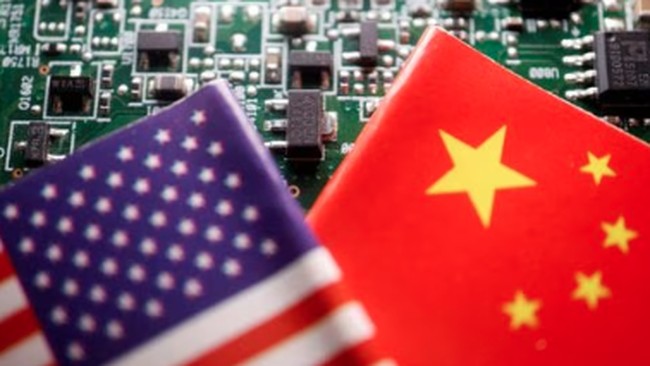
Samsung Electronics has raised prices for a number of advanced chip manufacturing services by up to 15%. The increase comes as demand for artificial intelligence (AI) chips surges and global chip production capacity becomes increasingly tight.
Two sources familiar with the matter said Samsung has raised prices for new orders across several chip production processes. The highest price increase reached 15%, particularly for customers using advanced chip manufacturing technology.
Demand from Chinese customers has been one of the main drivers. However, Samsung has been unable to meet all of the demand because the company must serve customers from the United States while also setting aside part of its production capacity for internal chip needs.
Chinese customers have even been among the groups receiving the steepest price increases. This situation shows how US restrictions on exports of advanced chip manufacturing equipment to China have made Chinese companies increasingly dependent on foreign chip producers.
Samsung raised prices for chips produced using the 4-nanometre process, or SF4, in July. Prices for SF4 customers in China and the US rose by 10%-15% compared with the previous month.
Meanwhile, customers in Taiwan, home of Taiwan Semiconductor Manufacturing Co (TSMC), faced price increases of 5%-10%.
Samsung also raised prices for wafers produced using the 5-nanometre SF5 process by 10%-15%. Prices for wafers using the older 8-nanometre technology rose by nearly 10%.
Samsung declined to comment on the price increases, citing that the company does not provide details on operational matters.
The price increases are a boost for Samsung’s foundry business, which has been a source of losses. Based on industry estimates, the business has recorded losses since 2022.
Samsung has struggled to narrow the gap with TSMC. On the other hand, the South Korean company has posted large profits thanks to the surge in memory chip prices used in AI systems.
According to Counterpoint, Samsung controlled around 7% of global foundry industry revenue in the first quarter of 2026. That figure remains far below TSMC, which controls more than 70% of the market.
However, the surge in AI chip demand is beginning to fill TSMC’s advanced chip production capacity. This situation provides more room for Samsung to raise prices.
Samsung estimates that advanced chip production processes will contribute more than half of foundry business revenue this year. Meanwhile, AI applications and high-performance computing (HPC) are expected to contribute more than 30% of revenue.
That figure has risen sharply compared with the AI and HPC contribution of only around 15%-20% at the end of 2025.
“When TSMC faces tight capacity and raises prices, customers switch to competitors such as Samsung and Intel, prompting Samsung to raise its prices as well,” said Lee Min-hee, an analyst at BNK Investment & Securities based in Seoul.
According to Lee, further price increases could potentially make Samsung’s foundry business profitable sooner than expected.
“If Samsung raises prices starting now, its foundry business could potentially become profitable as early as next year, earlier than previously forecast,” he said.