
Chilli and Chicken Prices Plunge, NTB Experiences 0.11% Deflation in April 2026
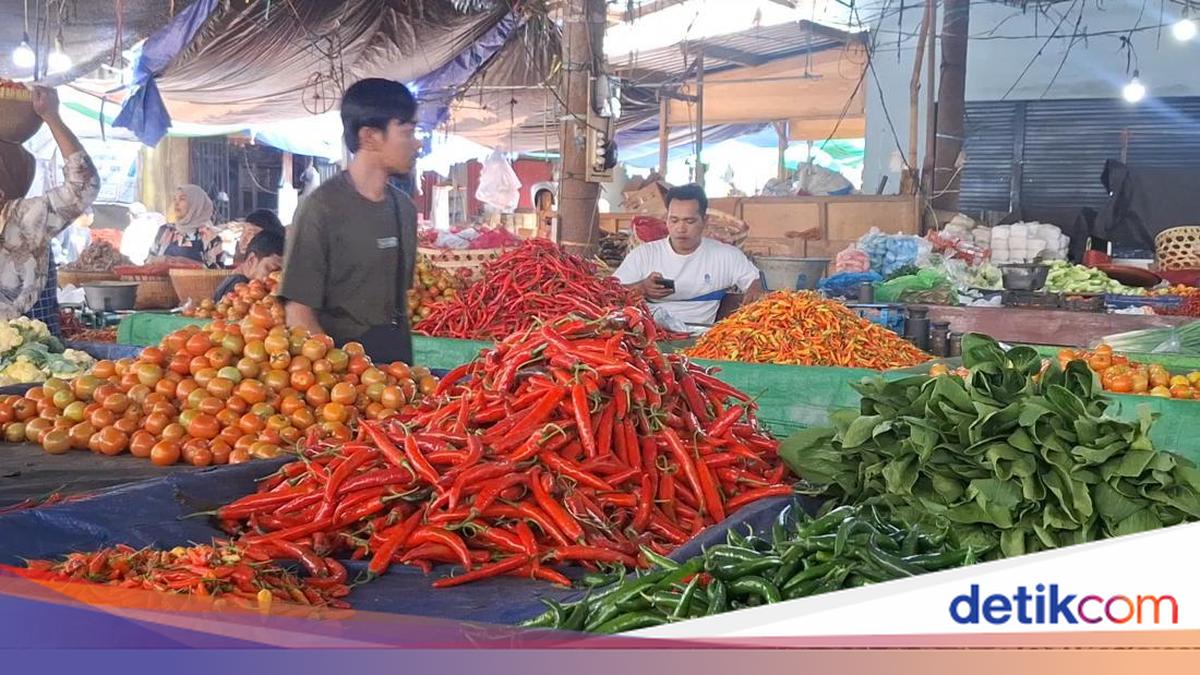
The Central Statistics Agency (BPS) recorded a price movement rate in Nusa Tenggara Barat (NTB) experiencing deflation of 0.11 per cent in April 2026. The price decline was triggered by the drop in the food commodity group, particularly cayenne chilli to broiler chicken. “This deflation was caused by the price decrease in food items, especially cayenne chilli, broiler chicken, white cabbage, and fresh shrimp. This price drop was influenced by sufficient supply as the harvest season has arrived,” said the Head of BPS NTB, Wahyudin, after the release at his office on Monday (4/5/2026). According to Wahyudin, from the demand side, public consumption has relatively decreased after the end of Ramadan and Eid al-Fitr. “Other commodities that also significantly contributed to the deflation include gold jewellery, which experienced a price decrease in line with global gold price developments,” he stated. The commodities contributing to deflation in April 2026 include cayenne chilli 0.21 per cent, broiler chicken 0.10 per cent, gold jewellery 0.10 per cent, white cabbage 0.07 per cent, and fresh shrimp 0.06 per cent. Commodities Contributing to Inflation “On the other hand, there are several commodities that experienced quite significant price increases. Such as air transport, PAM drinking water tariffs, tomatoes, cooking oil, and household fuel,” he said. “The increase in air transport fares and non-subsidised household fuel is closely related to global conditions that drive the rise in world energy prices, especially crude oil and gas. This impacts the increase in air transport operational costs and the adjustment of domestic household fuel prices,” he added. The commodities contributing to inflation in April 2026 include air transport 0.14 per cent, PAM drinking water tariff 0.11 per cent, tomatoes 0.05 per cent, cooking oil 0.04 per cent, bottled water 0.04 per cent, layang fish 0.09 per cent, shallots 0.04 per cent, mobile phones 0.05 per cent, and household fuel 0.04 per cent.