
Children's Mental Health Begins with Empowered Women
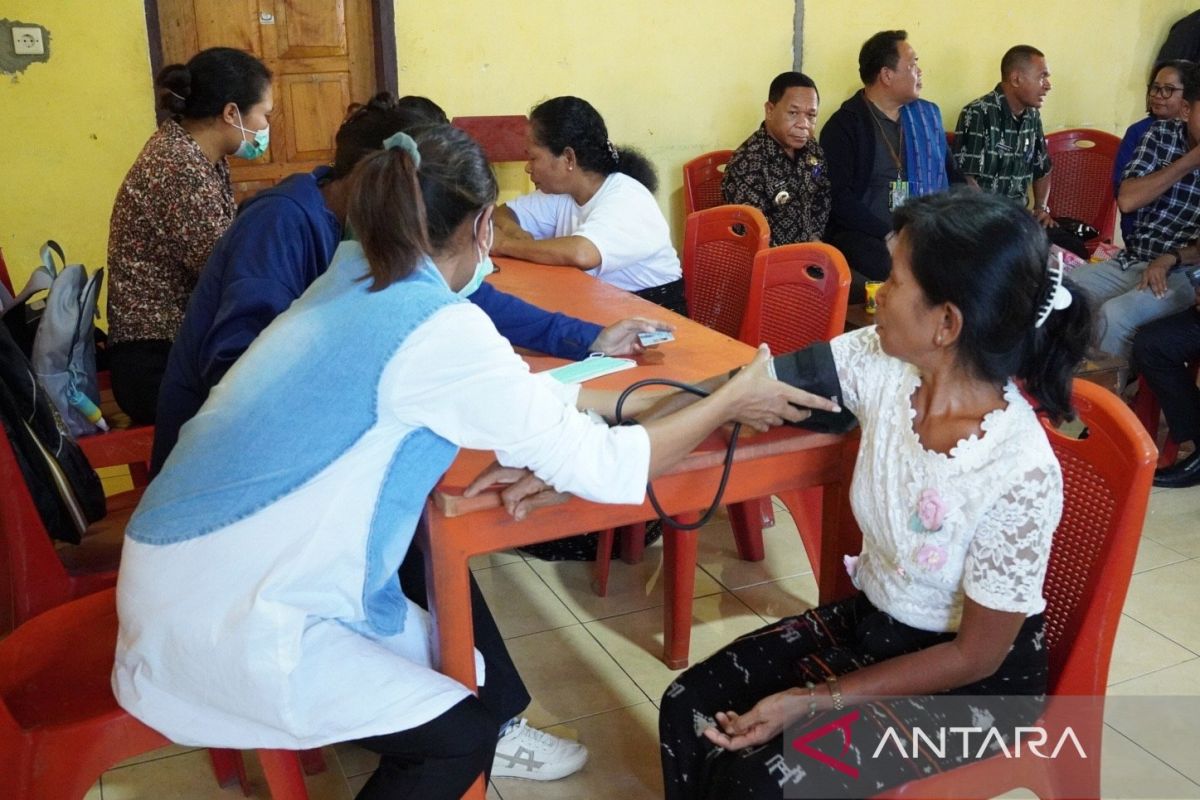
When a mother has access to knowledge, support, and business opportunities, she can become a stronger foundation for her family.
Not all children’s problems begin at school. Nor do they all arise from peer interactions or the influence of social media. Some actually start from something that appears simple and often escapes attention: the atmosphere inside the home.
A child may not understand what inflation, the cost of living, or a family’s economic hardship is. Yet, they can sense the change in their parents’ tone of voice. They pick up on the anxiety hidden behind adult conversations. They see the unspoken exhaustion.
Even when not a single word explains the situation, children are often the first to feel its impact.
Therefore, when discussing children’s mental health, the conversation cannot simply stop at psychological issues alone. There is another dimension that often operates silently in the background: the family’s economic resilience.
The relationship between the two is not always directly visible. Not every family facing economic hardship will have children with mental health problems. Conversely, not all well-off families are free from psychological issues. However, various experiences show that persistent economic pressure can affect the quality of relationships within the family, the way parents raise their children, and the emotional atmosphere that forms at home.
In difficult economic conditions, parents’ attention is often consumed by ensuring the family’s basic needs are met. Thoughts about school fees, instalments, food needs, and daily expenses can become a significant source of pressure. When this pressure accumulates, the space for conversation at home often narrows. Parents become more easily fatigued, more easily anxious, or unconsciously become less emotionally present for their children.
Yet, for a child, a parent’s emotional presence is just as important as the fulfilment of physical needs. They need a place to talk when they encounter problems. They need guidance when facing failure. They need the assurance that someone will listen without judgement.
These needs become even more critical as children enter adolescence. The transition from primary to lower secondary school, or from lower secondary to upper secondary school, is a phase full of change. During this period, children begin to face new environments, increased academic demands, physical changes, and the search for self-identity. Amidst this process, they need a home that can be the safest place to return to.
Unfortunately, reality shows that not all children have such a space.