
Children with dyslexia need support while learning
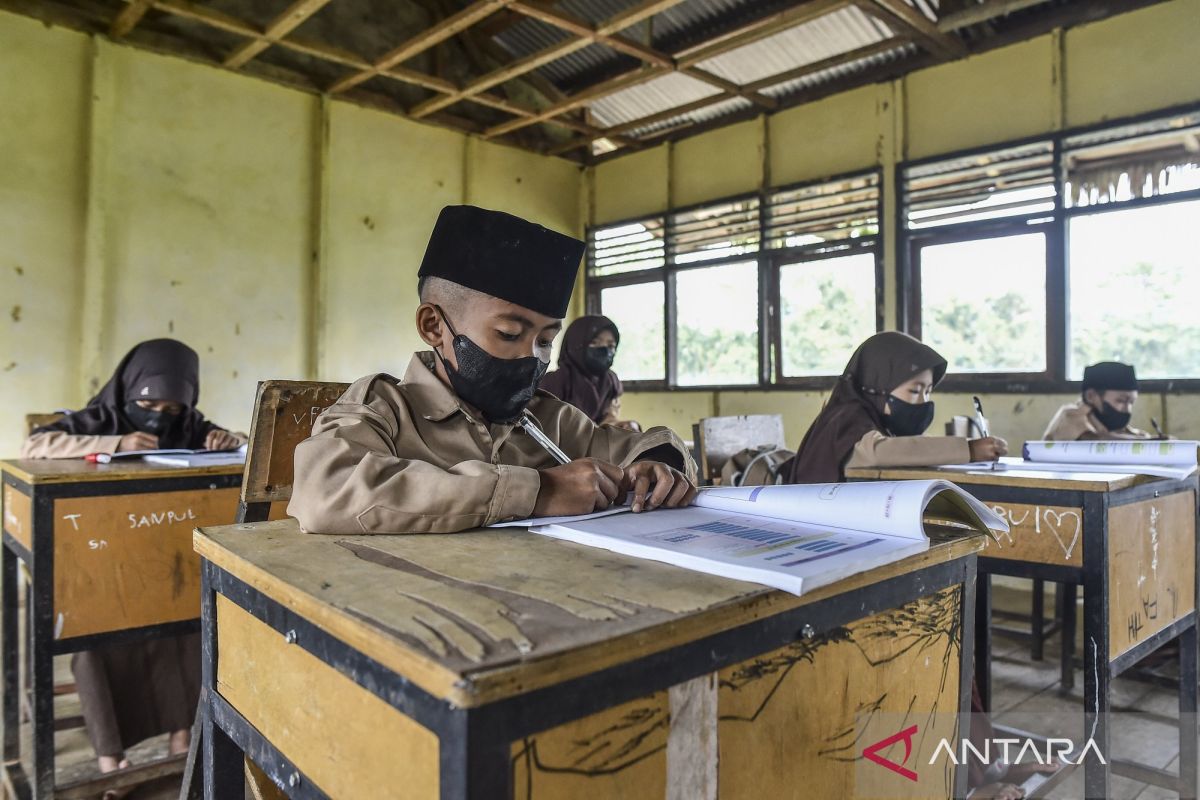
Jakarta (ANTARA) - Paediatrician and consultant in social paediatrics, Dr Farid Agung Rahmadi, M.Si.Med., Sp.A, Subsp. T.K.P.S.(K), believes children with specific learning disorders such as dyslexia need to be accompanied while learning, including when studying at school.
Speaking during a discussion in Jakarta on Tuesday, the member of the Coordination Working Unit (UKK) for Growth and Development and Social Paediatrics of the Indonesian Paediatric Society (IDAI) said teachers need the ability to recognise the patterns of learning difficulties experienced by children so they can provide early intervention in the school environment.
Intervention can be carried out in stages, starting from whole-class teaching, small groups, and up to individual accompaniment. If the difficulties persist and show no meaningful improvement, the teacher should communicate with parents so that an assessment by professionals can subsequently be carried out.
In certain circumstances, schools may also consider assigning a shadow teacher to help children with special needs follow the learning process.
He also emphasised that strengthening the capacity of teaching staff is important so that schools can provide appropriate support while helping children remain confident in their learning activities.
“Self-confidence is actually influenced largely by the environment. If the school and home environments provide the right support, the results will certainly be better,” said Farid.
Parents and teachers can recognise early signs of dyslexia from the moment a child begins learning to read, especially when the child consistently struggles to recognise letters and their sounds.
“In grades 1 to 3, the child has difficulty distinguishing or identifying what sound a letter makes. When vowels are added, they also find it hard to spell,” said Farid.
One way to identify signs of dyslexia in children is to look at the difference between oral and written test results. Children with dyslexia generally understand learning material better when questions are read aloud to them compared with when they have to read them themselves.
“When the questions are read aloud, the child’s results are far better than in written tests,” said Farid.