
Children must not lose their safe spaces
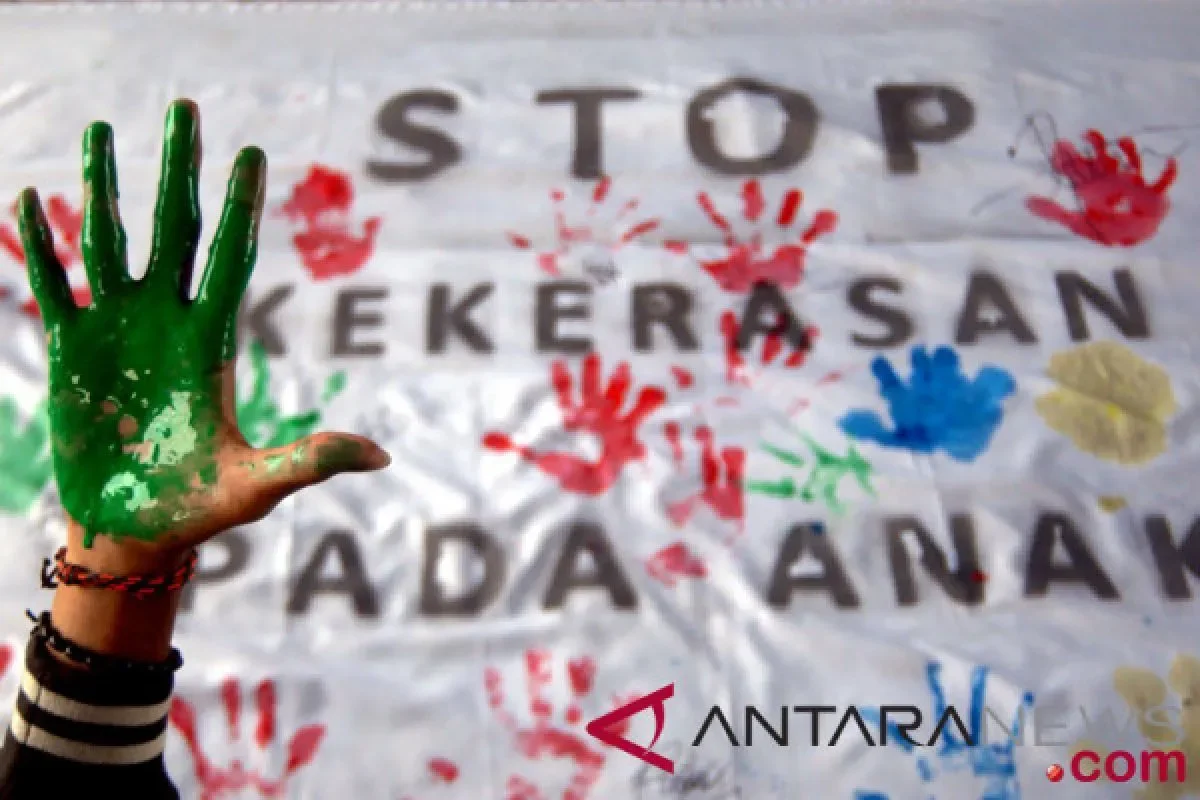
There are spaces that should be the safest places for a child. Home, family, orphanages, schools, and even the neighbourhood where they live.
Two cases of child sexual abuse recently uncovered in Surabaya, East Java, show that these safe spaces are not always present as they should be.
The first case involves alleged sexual abuse by a stepfather against a child. The Surabaya city government offered a safe house to ensure the victim was protected, but the family chose for the child to remain with the mother after the alleged perpetrator was handled by the police.
The second case occurred at an orphanage that turned out to be unlicensed. The Surabaya city government immediately halted the institution’s operations and prepared a care scheme for the children who had been living there.
The victim also received legal and psychological assistance through the Office of Women’s Empowerment and Child Protection as well as Population Control and Family Planning (DP3APPKB) together with the Women and Children Service Unit (PPA) of the Surabaya Metropolitan Police.
The two cases have different backgrounds. One incident took place within a family environment, while the other occurred in a care institution. Nevertheless, both reveal the same problem: when a child is in a weaker position, the adults or institutions that should protect them instead fail to carry out their protective function.
The problem becomes more serious because violence against children is not a standalone phenomenon. The 2024 National Survey on Children’s and Adolescents’ Life Experiences (SNPHAR) recorded that 50.78 percent of children aged 13 to 17 in Indonesia have experienced at least one form of violence in their lifetime. In the last 12 months, the figure still reached 33.64 percent.
These figures mean the two cases in Surabaya should not be read merely as criminal matters that are resolved once the perpetrator is arrested. Behind every report lies a much larger question about how strong the child protection system is before violence occurs.
Protection gaps
The orphanage case offers a very important lesson. Legality is not merely an administrative matter. A licence is one of the government’s entry points to ensure who manages an institution, which children live there, what the care standards are, and whether the environment is appropriate and safe.
Ironically, similar problems are not new. In February 2025, the Surabaya city government had already asked the social services department to inspect the licences of all orphanages after a sexual abuse case at an orphanage came to light. The government also pushed for stronger regulations to oversee care institutions.
This means the latest case is a moment to test whether oversight has truly been functioning as a system or still depends on responses after problems emerge.
Source: jawawa.id (https://jawawa.id/newsitem/children-must-not-lose-their-safe-spaces-1787359967)
Originally published by Antara (Indonesian) (https://www.antaranews.com/berita/5706179/anak-tak-boleh-kehilangan-ruang-aman), translated from Indonesian