
Children more vulnerable to severe malaria, experts explain
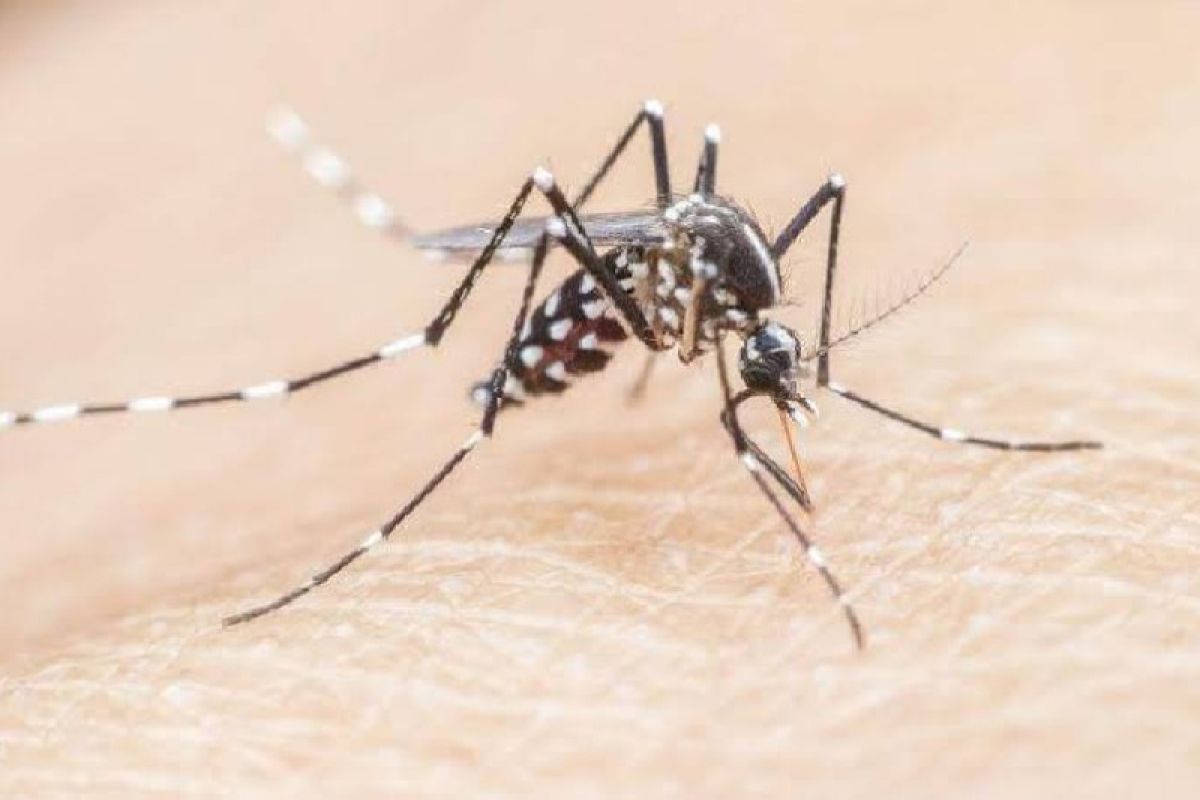
A General Paediatrics Consultant at Madhukar Rainbow Children’s Hospital in India, Dr Ankur Ohri, has explained the reasons why children are one of the groups more vulnerable to the impacts of severe malaria. “The malaria parasite infects and destroys red blood cells, thus reducing the ability to carry oxygen,” Ohri said in a Hindustan Times broadcast on Monday (29/6) local time. Ohri stated that when children are infected with malaria, they experience a greater severity of illness than adults. This is because a child’s bodily reserves are smaller and their metabolic rate is higher, resulting in a significant decline in health status. He mentioned that for the general population, the increased risk in children is also partly due to the time they spend outdoors. Delayed diagnosis, self-medication, or the assumption that a child is suffering from a common viral illness can cause the disease process to progress rapidly from mild to severe. Meanwhile, Internal Medicine Consultant at CK Birla Hospital in Delhi, India, Dr Amit Prakash Singh, assessed that children are at higher risk of complications from malaria because their immune systems are still in the developmental stage. “Many adults living in malaria-endemic areas are able to strengthen their immune systems through repeated malaria exposure; however, young children do not develop any immunity with repeated malaria exposure,” he said. Ohri further explained that when malaria is transmitted to a child, the impact is that the malaria parasites multiply rapidly and widely in the child’s blood, which can lead to a significant drop in red blood cells. Additionally, malaria can affect other organs, potentially causing breathing difficulties, low blood sugar, dehydration, and, in the most severe cases, cerebral malaria (malaria that attacks the brain), resulting in seizures, coma, and/or permanent brain injury. Singh noted that early symptoms of malaria in children include fever, fatigue, irritability, vomiting, and difficulty eating. As these are also symptoms of other common childhood illnesses, parents may delay seeking medical care even as the condition deteriorates rapidly. “Preventive measures such as mosquito control, insecticide-treated bed nets, timely diagnosis, and early treatment play a crucial role in protecting children from severe malaria and reducing related complications,” Singh said.