
Children are not a means to earn a living
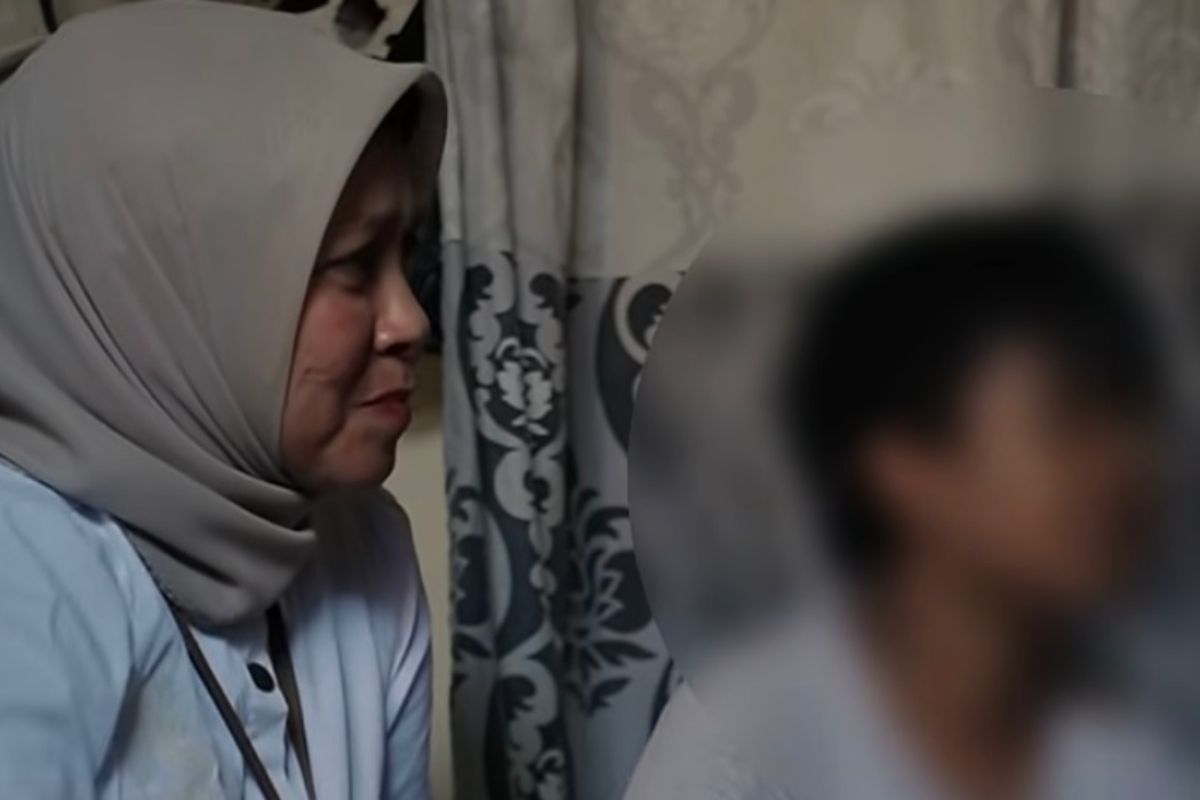
Surabaya — Streetlights flicker on when most children have already returned home, preparing their books for the next day or getting ready for sleep. In the corners of the city, however, some children still follow their parents busking, begging, or simply waiting for the proceeds of activities conducted in public spaces.
Such sights are easily dismissed as part of daily urban life. Yet, when children spend excessive time on the streets to generate income, the more pressing question is no longer how many rupiahs are collected, but rather what is being sacrificed.
A case in Surabaya, East Java, illustrates this issue. The Surabaya City Government has followed up on citizen reports regarding a child allegedly taken by their mother to busk late into the night. The Surabaya Department of Women’s Empowerment, Child Protection, Population Control, and Family Planning (DP3APPKB) conducted an investigation and a home visit to the family.
The results of the assistance showed that the problem cannot be resolved simply by stopping the child’s activities on the street. The city government is also directing interventions towards the family’s economic condition by offering sewing training and encouraging plans for a snack business as an alternative source of income.
This is where the vital lesson lies. Protecting children is not merely about moving them from the street to the home. Protection must ensure that the underlying reasons why children are on the street are also addressed.
Space to Grow
A child helping their family cannot automatically be classified as a child labourer. The Ministry of Women’s Empowerment and Child Protection distinguishes between children who work and child labourers.
Light activities that are age-appropriate and do not interfere with education or development do not necessarily fall into the category of child labour. Conversely, work that is hazardous or disrupts a child’s education and development is an issue that must be addressed.
This distinction is important so that policy does not fall into two extremes. The state must not view all economic activities involving children as violations, but it must also not use poverty as an excuse to allow children to work in conditions that harm them.
Busking or begging late at night must be viewed in that context. The highway is not an environment designed to support a child’s growth and development. The duration spent in public spaces, safety, fatigue, weather exposure, the risk of violence, loss of study time, and psychological pressure are all factors that must be considered.
The International Labour Organization (ILO) reported that child labour figures in Indonesia are projected to drop from approximately 1.27 million in 2024 to 1.05 million in 2025. However, the agency also noted that child work is still found within the informal economy, including children busking or begging on the streets.
These figures indicate that the problem is not yet resolved. Even when statistics improve, groups working in the informal sector still require attention because their presence is often difficult to record and supervise.
Therefore, children on the streets should not be viewed immediately as a disturbance to public order. They are subjects who possess rights and require protection.
Law Number 35 of 2014 prohibits any person from engaging in economic and/or sexual exploitation of children. The law also emphasises the obligations and responsibilities of parents to nurture, maintain, educate, and protect their children.
Thus, family ties do not negate the obligation of protection. The closeness between parent and child should, in fact, be the primary reason to ensure that the child’s interests are not defeated by immediate economic needs.
Source: jawawa.id (https://jawawa.id/newsitem/children-are-not-a-means-to-earn-a-living-1790729886)
Originally published by Antara (Indonesian) (https://www.antaranews.com/berita/5764160/anak-bukan-jalan-mencari-nafkah), translated from Indonesian