
Children Allowed to Create Social Media Content, but Using Parents' Accounts
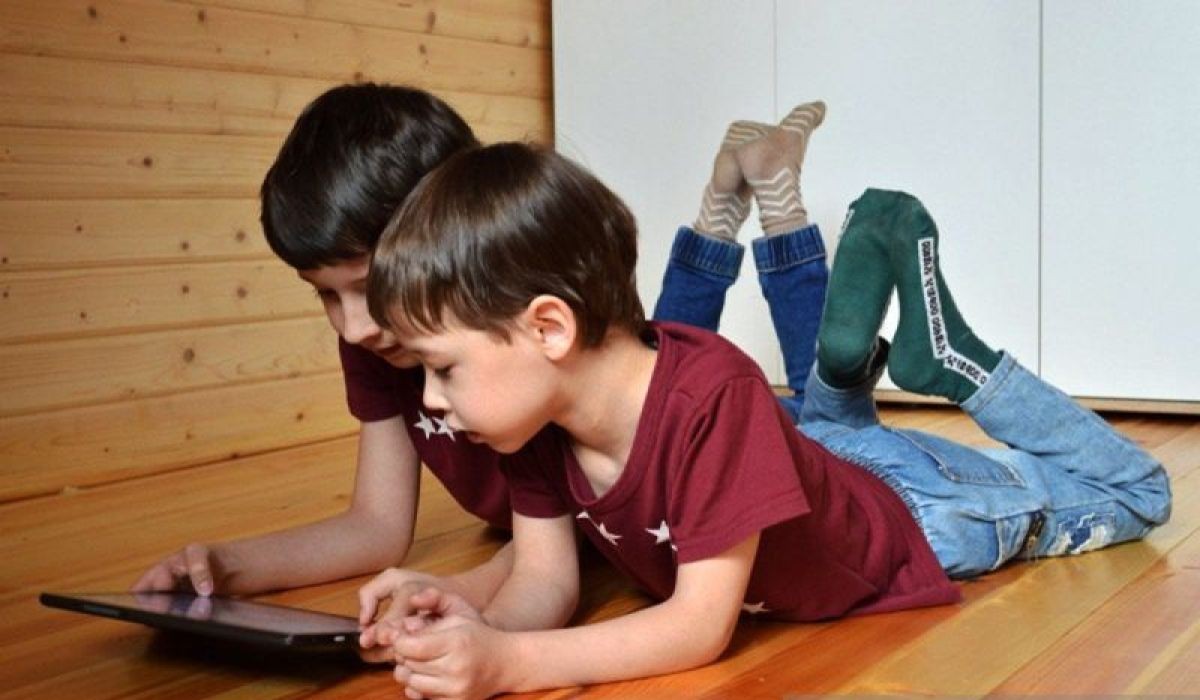
Child and family psychologist Sani B Hermawan, a graduate of the Faculty of Psychology at the University of Indonesia, states that children under 16 can still create works on social media, but it is best to use their parents’ accounts rather than personal ones. He made this statement in relation to Government Regulation Number 17 of 2025 on the Protection and Governance of Electronic Systems in Child Protection (PP Tunas), which limits access for children under 16 to digital platforms.
“Why not collaborate with parents? Children can still express themselves, create, and have space on social media, but using parents’ accounts, not personal ones. So creativity can still develop without breaking the rules,” Sani said when contacted from Jakarta on Tuesday.
He emphasised that through this regulation, parents have a greater responsibility to monitor their children’s social media activities as an implementation of government policy. According to him, at that age, children do not yet have sufficient emotional maturity. Therefore, the presence of parents in accompanying children’s activities, including limiting social media use, can strengthen family relationships.
Such accompaniment also opens up more space for positive interactions between parents and children, making the time spent together more quality.
“This can encourage the creation of more effective and positive joint activities, while helping the cognitive, social, and other developments in children,” he said.
Previously, the Minister of Communications and Digital, Meutya Hafid, emphasised that the implementation of PP Tunas is an important step to protect children in the digital space, particularly in safeguarding privacy and data security.
She conveyed that the policy is driven by various studies and cases in several countries, which show that children’s data and privacy in the digital world are often misused, even monetised unethically.
The Austrian government has officially announced plans to ban social media for children under 14 to protect mental health from addictive algorithms.
Various elements of civil society, education practitioners, and legislative representatives have called for a thorough review of the planned implementation of PP Tunas.
Meta has begun deactivating Instagram, Facebook, and Threads accounts belonging to children under 16 before Australia’s social media ban rule takes effect on 10 December.
YouTube considers Australia’s new rule banning under-16s from accessing social media to be hasty and potentially harmful to children.
Two Australian teenagers are suing the ban on social media use for children under 16, deeming the government policy to violate communication rights and be disproportionate.
Protecting the digital space requires comprehensive steps that include public education and strengthening users’ capacity to understand cyber risks.
Compared to implementing a total access ban, YouTube chooses an integrated age-based protection feature approach.
An approach that is too harsh or one-sided in restricting social media use risks making children rebel.
Early exposure to social media risks disrupting emotional regulation, self-identity formation, and reducing the quality of real social interactions.
Appropriate restrictions, not total bans, can reduce risks of overstimulation from instant content, social anxiety from frequent self-comparison, and exposure to dangers.