
Child Smoking Prevalence Soars, Rukki Highlights Low Prices and Weak Regulation
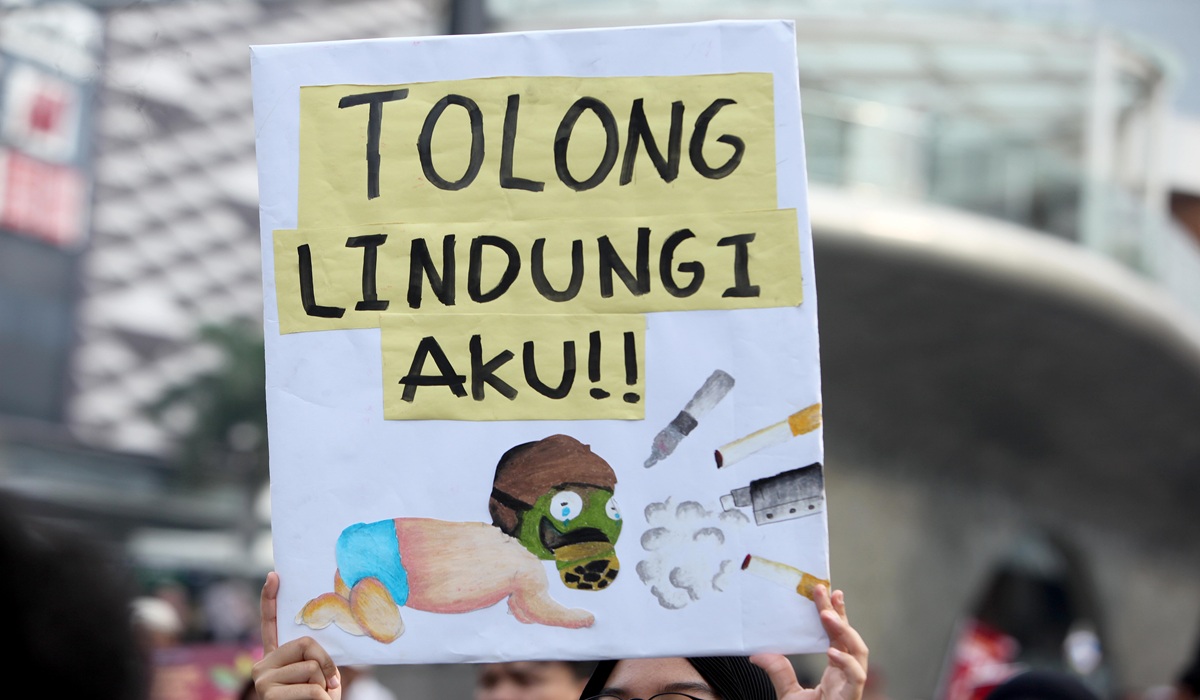
A researcher from the Ruang Kebijakan Kesehatan Indonesia (Rukki) Foundation, Ridhwan Fauzi, has expressed deep concern over the high rate of cigarette consumption among children. Speaking at a discussion in Jakarta on Thursday (2/7), he explained that the trend of child smoking has continued to rise significantly over the past decade. Based on data from the Global School-based Health Survey (GSHS), there has been an alarming spike in smoking prevalence among adolescent age groups.
Ridhwan explained that economic factors are the main trigger. The price of cigarettes in Indonesia is still considered very affordable for students’ pockets. With an average daily allowance of Rp10,000, a child can already buy a single cigarette priced at around Rp2,000 per stick. “Regulations actually already exist that prohibit sales to children, but they are never enforced. There is Government Regulation (PP) Number 28 of 2024 which prohibits sales to children under the age of 21, but no region has yet enforced this rule,” said Ridhwan.
This weak oversight is evident from the widespread sale of cigarettes by the stick. In fact, children tend to consume an average of five sticks per day, meaning they are heavily dependent on this single-stick purchasing system. Beyond the price issue, Indonesia’s excise structure, which has eight tiers, creates a very wide price variation between the most expensive and cheapest brands. This means children have no incentive to quit smoking because they can easily switch to cheaper brands, a practice known as downtrading.
From a sociological perspective, the public still considers smoking to be commonplace. “Society still views smoking as a normal thing. When they find junior and senior high school students smoking, people do not consider it a risky behaviour, even though the impact is enormous,” he added. Ridhwan also highlighted the absence of a tobacco industry liability mechanism in Indonesia. Unlike other countries where the public can sue the tobacco industry through civil or criminal proceedings for health impacts, in Indonesia the burden falls on patients and the state.
Negative impacts of child cigarette consumption include a range of serious health issues. “As a result, when health problems arise, the entire burden is placed on the patient. Ultimately, because we have a fairly comprehensive National Health Insurance (JKN) system, the state also has to bear that burden,” Ridhwan concluded.