
Child of the Wealthy Weeps Upon Seeing the Suffering of Indonesian Citizens
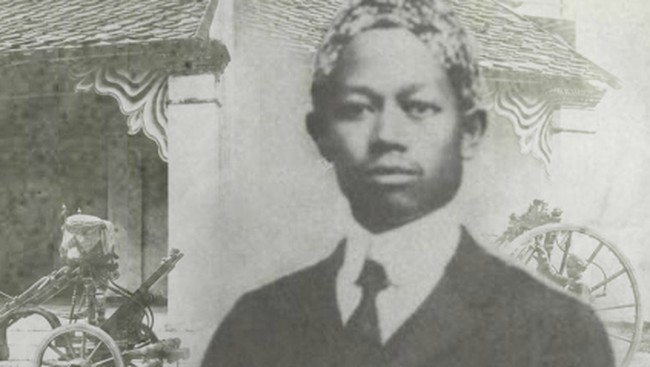
Jakarta, CNBC Indonesia - The son of a wealthy individual named Soerjopranoto wept upon seeing the suffering of Indonesian citizens during the Dutch colonial era. Although born as a Javanese noble living in prosperity, he was profoundly affected upon learning that the people lived in destitution due to social inequalities in the colonial period. For context, Soerjopranoto was the son of Pangeran Haryo Soerjaningrat and the younger brother of Ki Hajar Dewantara. As a Javanese aristocratic family, his life was far from want. He grew up in the palace environment with all the luxuries that ordinary people at the time could scarcely experience. However, from a young age, Soerjopranoto was accustomed to mingling with the poor. His father’s upbringing instilled in him respect for all people regardless of social status. From there, empathy for the suffering of the common folk developed. Eventually, at the age of 30, he experienced a major turning point in his life. In his autobiography Raja Mogok: R.M Soerjopranoto (1983), it is recounted that he was deeply shaken when he learned that plantation workers received wages of only about 12 cents a day, while foremen and colonial elites lived in opulence. This inequality made Soerjopranoto cry. He felt that the luxury and noble status he possessed no longer held meaning when the people lived in misery. In fact, he began to feel disgusted by the lavish lifestyle of the nobility that stood amidst the suffering of the native population. His anger peaked when he worked in the colonial government’s Department of Agriculture. Soerjopranoto is described as confronting his Dutch superior and tearing up his own Dutch education certificate. “From this moment on, I refuse to work for the Dutch government any longer,” Soerjopranoto declared. After that incident, he left palace life and chose a simple existence among ordinary people. He then actively advocated for the rights of the underprivileged through various national movement organisations, such as Boedi Oetomo and Sarekat Islam. Additionally, he taught at Taman Siswa, founded by his brother. His name gained further prominence when he led labour strikes in various regions. These actions angered the Dutch East Indies government as they became one of the largest labour resistance movements of the time. From there, he earned the moniker “Raja Mogok.” Historian Takashi Shiraishi in Zaman Bergerak: Radikalisme Rakyat di Jawa 1912-1926 (1997) records Soerjopranoto as one of the key figures in the resurgence of people’s movements during the colonial era. After Indonesia’s independence in 1945, Soerjopranoto continued to live simply and did not return to enjoying noble luxuries. He chose to reside among ordinary people until his death on 15 October 1959 in Yogyakarta. A month after his passing, President Soekarno declared him a National Hero. His life story is remembered as a tale of a child of the wealthy who chose to side with the common people after witnessing their suffering.