
Child Injured While Playing Sport? Go to A&E Immediately If They Show These Five Signs
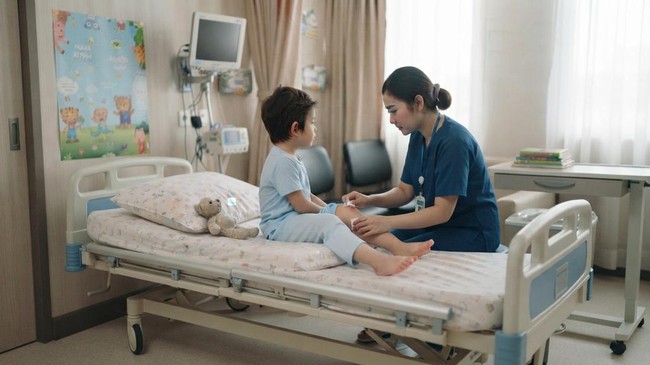
Children who take part in sports at school, in extracurricular activities or in coaching sessions are naturally at risk of injury. Sprains while playing futsal, falls during basketball practice, awkward landings in gymnastics or collisions during football are all possible. For parents, bruises, knocks and sprains often raise the question of whether home treatment is enough or a hospital visit is needed. Recognising the signs of an injury that requires medical attention is important to ensure a child receives appropriate care.
Dr Herlina of Mayapada Hospital South Jakarta said parents should monitor the level of pain, the child’s ability to move and any changes in behaviour after an injury. They should stop the activity, let the child rest and protect the injured area from further impact or strain.
“If swelling develops, a cold compress can be used as initial first aid. However, not all injuries can be managed at home, so parents need to recognise the signs that mean a child should be examined by a medical professional immediately,” Dr Herlina said, as quoted on Friday (9 October 2026).
Dr Herlina said children should be taken to the emergency department immediately if they have persistent or worsening pain, whether after resting or taking pain relief; swelling that develops quickly or is substantial; or are unable to put weight on, walk on or use the injured body part. Parents should also be alert if a limb looks misshapen or out of position, bleeding is difficult to stop, or the affected area appears pale or bluish, is numb or feels cold.
“If an injury involves a blow to the head followed by loss of consciousness, repeated vomiting, seizures, confusion or a change in behaviour, the child should also be examined immediately. If any of these signs are present, parents should not wait for the symptoms to improve on their own, as they may indicate an injury requiring further medical treatment,” she said.
Once an injury has been treated, a child should not immediately resume high-intensity sport before they are ready. Dr Elsye of Mayapada Hospital Kuningan said recovery should be gradual and appropriate to the type and severity of the injury. An assessment by a sports medicine specialist can help evaluate the child’s mobility, flexibility, balance, strength and the function of the injured body part.
“This also helps determine the stages of the return to sport, based on the type of injury, the sport and the demands of the child’s activity. Returning to sport before the body is ready can increase the risk of reinjury,” she said.
Prompt and appropriate treatment from the outset helps determine the recovery plan for each injury, including when a child can start moving and resume activities. For urgent cases, Mayapada Hospital offers a 24-hour paediatric emergency service supported by paediatricians.
Mayapada Hospital said the service is child-friendly and follows international protocols in line with Joint Commission International (JCI) accreditation. Parents can also access comprehensive services to support children’s health and development at the hospital’s paediatric centres in South Jakarta (Lebak Bulus and Kuningan), Tangerang, Bogor, Bandung, Surabaya and East Jakarta.
To consult a paediatrician, the public can contact the call centre on 150770 or WhatsApp 0817-17-150770. Information about Mayapada Hospital’s health services is also available through the Health Articles & Tips feature on MyCare.
Source: jawawa.id (https://jawawa.id/newsitem/child-injured-while-playing-sport-go-to-a-e-immediately-if-they-show-these-five-signs-1791521488)
Originally published by CNBC Indonesia (https://www.cnbcindonesia.com/lifestyle/20261009110133-33-774681/anak-cedera-saat-olahraga-segera-ke-igd-jika-ada-5-tanda-ini), translated from Indonesian