
Chicken Prices Below Production Cost: Permindo Calls for Import Feed Governance Review
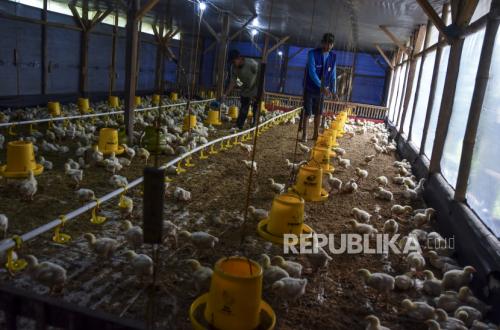
The Indonesian Independent Farmers Association (Permindo) is pushing for improvements in the governance of imported feed raw materials and the supply chain to stabilise chicken prices and ensure the sustainability of smallholder poultry businesses. Permindo Chairman Kusnan stated that the prolonged low price of live birds cannot be explained solely by oversupply. ‘Behind the falling chicken prices at the farm level, there are interconnected structural issues, ranging from the governance of imported feed raw materials, liquidity pressures in the feed industry, to the weakening bargaining position of smallholder farmers,’ he said in a statement received in Jakarta on Wednesday (24/6/2026). Currently, live chicken prices in various production centres range from Rp 15,000 to Rp 17,000 per kilogram, while the cost of production has reached approximately Rp 22,000 per kilogram. Meanwhile, the price of feed, the largest cost component, has risen to between Rp 8,600 and Rp 9,500 per kilogram, an increase of around Rp 1,000 per kilogram compared to the previous period. This situation has caused smallholder farmers to suffer losses of around Rp 5,000 to Rp 7,000 per kilogram of chicken sold, or up to Rp 8,000 to Rp 10,000 per bird with an average harvest weight of 2 kilograms. Permindo describes this as a ‘cost-price squeeze’, where rising production costs coincide with falling selling prices, eroding business margins and threatening business continuity. According to Kusnan, smallholder farmers are facing not only a chicken price crisis but also a margin crisis due to uncontrolled increases in feed prices. Permindo believes the root of the problem is also triggered by changes in the procurement mechanism for imported feed raw materials, which has become increasingly concentrated through a single gateway using a cash before delivery (CBD) system. This mechanism increases the working capital requirements of feed mills, especially medium and small-scale producers with limited liquidity. This pressure then accelerates billing to farmers, forcing many to sell their chickens prematurely to meet payments for feed, day-old chicks (DOC), medicines, labour, and coop operations. The simultaneous occurrence of panic selling across various production centres further weakens farmers’ bargaining position and depresses live chicken prices below the government’s reference price. Permindo argues this condition reflects the bullwhip effect in the supply chain, where disruptions upstream produce amplified impacts downstream. The organisation is calling on the government to evaluate the governance of imported feed raw materials, provide supply chain financing, establish a national buffer stock, strengthen programmes for the absorption of live birds and carcasses, and build a more transparent poultry data system to safeguard the sustainability of smallholder farmers and national food security.