
Chernobyl: How Human Error and Design Flaws, Not Just a Button, Caused the Nuclear Disaster
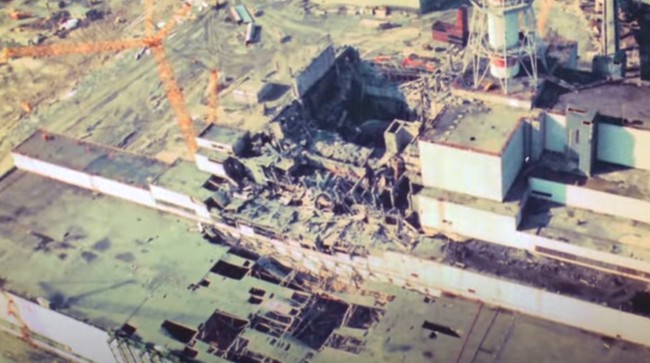
The Chernobyl tragedy remains one of the deadliest nuclear accidents in world history. The disaster, which occurred on 26 April 1986, not only destroyed a nuclear reactor but also released radioactive material that contaminated vast areas of Europe. While a narrative has long persisted that the catastrophe was triggered by a faulty computer button, investigations reveal a far more complex cause: a combination of human error, a flawed reactor design, and a failure of safety procedures. The humanitarian impact was immense, with at least 60,000 people reported dead and hundreds of thousands forced to abandon their homes for years due to radiation exposure.
The Chernobyl nuclear facility was built as part of the Soviet Union’s ambition to become the world’s leading nuclear power. By 1986, four large-scale reactors were operating at the site, though some were still in the testing phase. The fateful test on 26 April was designed to verify whether a reactor’s turbine could continue powering cooling pumps during a power outage. The theory was that the turbine’s momentum would keep the water flowing to cool the reactor core until backup generators activated.
However, the test was conducted by personnel who were incompetent and in denial about the risks. Deputy Chief Engineer Anatoly Stepanovich Dyatlov and Chief Engineer Nicholai Fomin ignored critical safety parameters. Fomin disregarded the fact that the reactor’s power had dropped to 200 megawatts, far below the required minimum of 700 megawatts. Dyatlov insisted the test proceed despite the technical team’s inability to manage the conditions, threatening them with reassignment to force compliance.
As the test began, technicians activated the generator and water from the turbine began to flow. But the generator’s power soon dropped drastically, causing the reactor core’s temperature to spike rapidly. In a panic, a technician pressed the SCRAM emergency shutdown button, a computer command meant to engage the control rods and shut down the reactor. The button failed because it had never been properly checked. The reactor core temperature soared to 3,000 degrees Celsius, and a massive explosion followed shortly after.
As the nuclear radiation spread, many residents were still asleep and unable to flee, suffering extreme exposure. The radiation levels were so high that monitoring equipment could not even measure them. When dawn broke, people were shocked to see dust scattered everywhere, not realising it was radioactive fallout. The long-term death toll from radiation, according to the BBC, reached 90,000 people, with a further 600,000 exposed but surviving. The World Health Organization recorded that nuclear radiation travelled up to 200,000 kilometres, reaching parts of Europe. The Chernobyl site itself will remain uninhabitable for an estimated 20,000 years due to the devastating effects of the radiation.