
Cheap Cigarette Production Risks Fueling Downtrading and Disrupting State Revenue
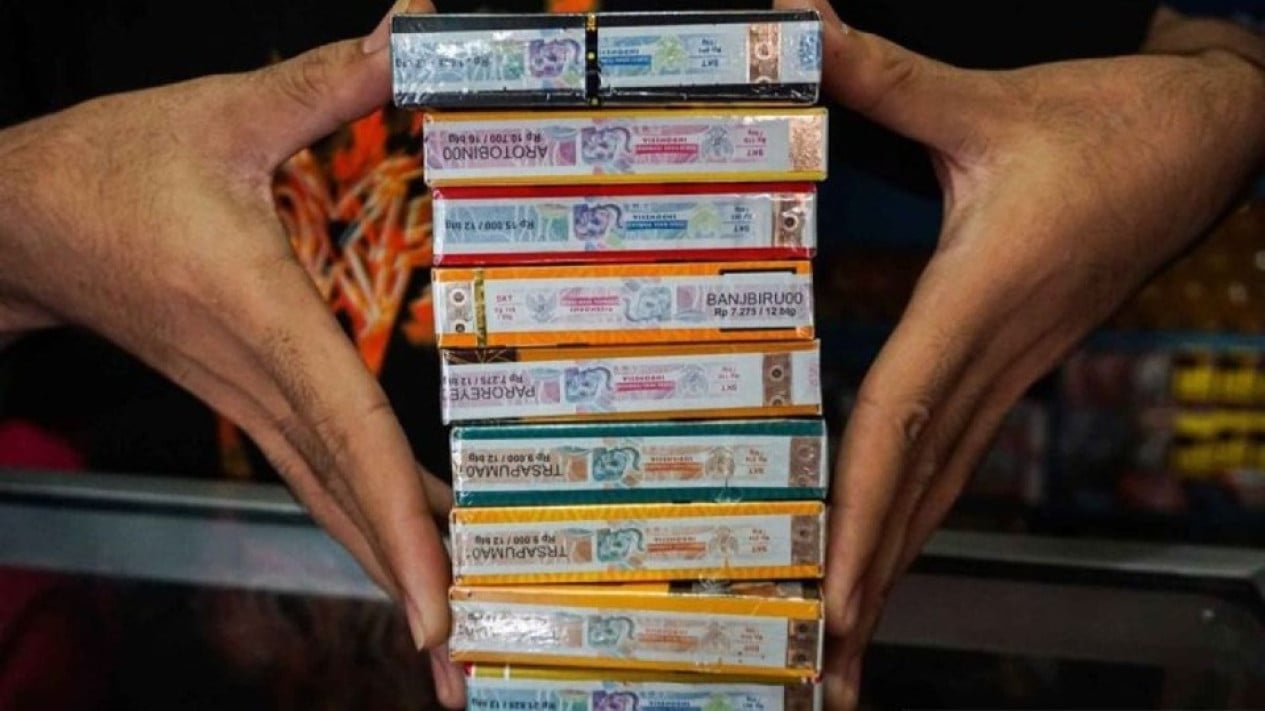
A proposal to provide production space for cigarettes aimed at the lower-middle class has met with rejection, as it is considered likely to reinforce the downtrading trend and pressure state revenue. Member of Commission XI of the Indonesian House of Representatives from the PAN faction, Andi Yuliani Paris, who suggested the government open up cigarette production space specifically for the lower-middle class, received a negative response from various quarters. The idea is seen as potentially accelerating the shift in consumption to cheaper products and increasing pressure on state revenue. The proposal was delivered by Andi during a Hearing Meeting with several Director Generals at the Ministry of Finance. According to her, the phenomenon of illegal cigarette sales in a number of regions occurs because these products are considered more affordable for lower-middle-income groups. “Perhaps there are cigarettes that must be produced for the lower-middle class, and space must be given so that they can produce for the lower-middle class,” Andi said, as quoted on Monday, 29 June 2026. Previously, the Director General of Customs and Excise, Djaka Budi Utama, emphasised that the trend of shifting consumption to cheaper products is a major challenge for the government in maintaining state revenue. “Downtrading and illegal cigarettes are the main challenges for state revenue,” Djaka said. Meanwhile, Economist from the Center of Reform on Economics (CORE), Yusuf Rendy Manilet, assessed that the downtrading tendency has actually been ongoing for the past few years and has become one of the main issues in the effectiveness of excise policy. According to Yusuf, this condition is influenced by excise increases and the widening tariff gap that encourages consumers to switch to lower-priced products. “What has happened in recent years is a downtrading tendency, where consumers gradually switch to lower-priced products,” Yusuf said. He added that the wider the space for cheap products, the more it could actually strengthen this consumption pattern and affect the overall market structure. “As long as cheap product options remain available and even expand, the downtrading tendency will continue. This needs to be a concern in the design of excise policy,” Yusuf said.