
Chatib Basri: Being Finance Minister Is Easy, Just Cut Spending Selectively
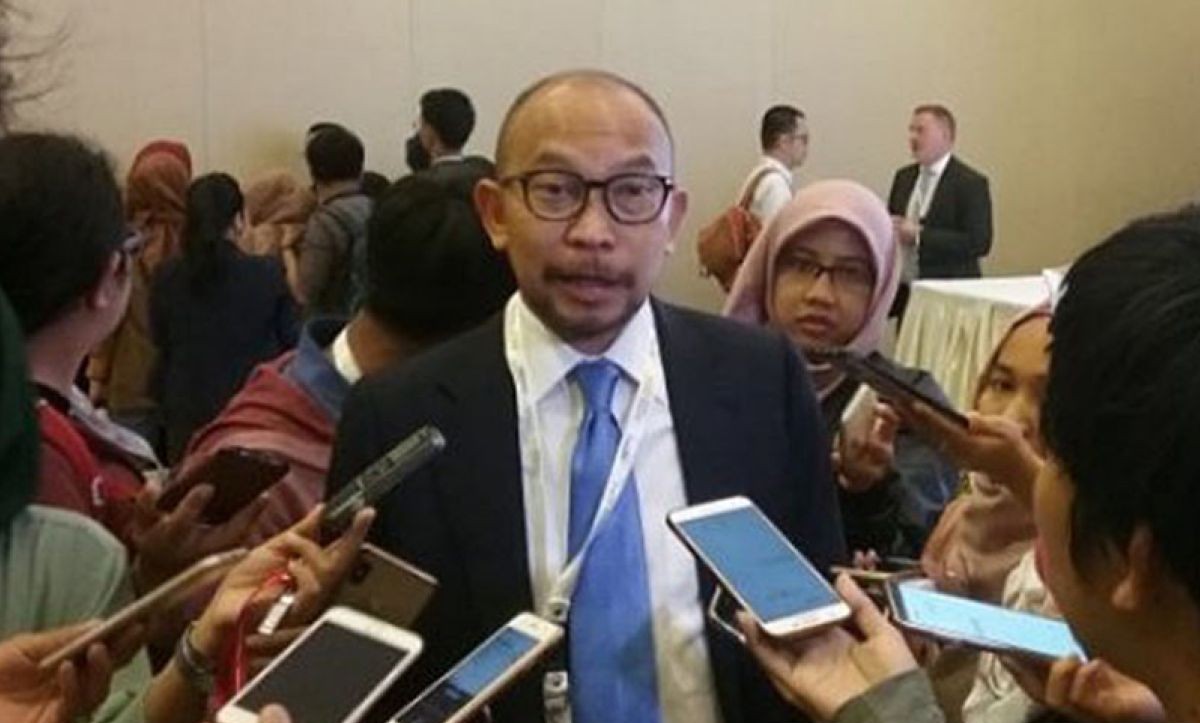
Senior Indonesian economist M. Chatib Basri stated that the task of the finance minister is quite simple in terms of fiscal management. He made the remarks while presenting the recent state of the Indonesian economy at the Grab Business Forum 2026 at Hotel Shangri-La Jakarta on Tuesday (9/6). A finance minister, he said, only has three policy choices: increasing revenue, cutting spending, or adding debt. “The job of the Finance Minister is actually very easy. He only has three options. Increase, cut, borrow. There are no other options. If you cannot increase, then you must cut. If you cannot cut, you must borrow. As simple as that,” said Chatib, who served as finance minister from 2013-2014.
In the current situation of economic pressure and rupiah depreciation, he said the option of raising taxes is not yet feasible. “How could taxes be raised in a situation like this?” he asked. In addition, the option of adding debt is also unrealistic. “Who would want to lend money now? The cost of funds would become very expensive,” he explained. Consequently, the most likely option at present is the third option, namely cutting spending selectively. “Therefore, the most possible option is option three. Cut the spending selectively. So the only solution is that the fiscal position must be rationalised to address that issue,” he explained.
On a separate note, Chatib pointed out a factor of concern regarding fiscal risk in the current rupiah depreciation, which can be seen in the rise of Credit Default Swaps (CDS). “When people abroad buy bonds, there is insurance. That insurance is the CDS. So, the higher the fiscal risk, the higher the CDS. If the CDS rises, the fiscal risk increases,” he said. He noted that 23% of the rupiah’s weakening can be explained by the CDS. Interestingly, Chatib continued, the CDS had already begun worsening before the trade conflict. “So if it is then said that the cause (of the rupiah’s weakening) is the war, that’s not true. Why? Because other countries are also affected by the war. However, their depreciation is not as deep as Indonesia’s,” he asserted.