
Chasing Subsidised Housing Targets, Government Aims to Repurpose 82,000 Non-Performing Mortgages
The government is preparing alternative methods to achieve its subsidised housing distribution targets, which are currently lagging significantly behind the 2026 goals. In addition to relying on new developments, the government is exploring the option of recycling houses originating from non-performing loan (NPL) portfolios.
This scheme targets houses previously financed through bank credit that have since become problematic, abandoned, vacant, or which debtors are no longer able to repay. These assets have the potential to be repurposed to meet the housing needs of low-income communities (MBR).
The Minister of Housing and Residential Areas, Maruarar Sirait, stated that the potential for houses to enter this recycling scheme is quite large, estimated to reach between 80,000 and 82,000 units.
On the other hand, the realisation of the Housing Financing Liquidity Facility (FLPP) as of 21 September 2026 has only reached 154,034 units out of a target of 350,000 units. With approximately three months remaining, the government requires additional sources of housing stock to accelerate distribution.
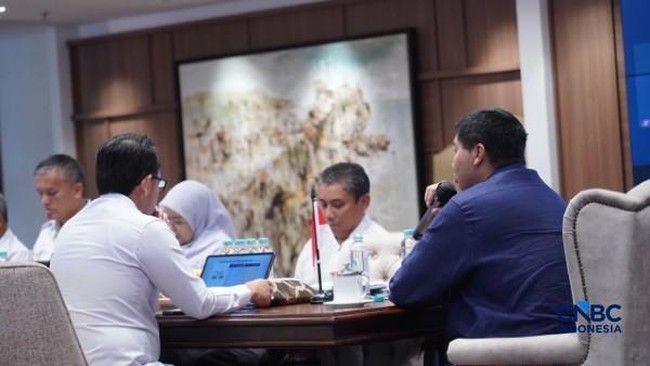
“We are optimistic, and we must remain optimistic that the target will be achieved. This includes the implementation of the flats and recycled housing schemes, which must be executed immediately,” said Ara during a public evaluation at the BP Tapera office in Jakarta on Monday (20/9/2026).
The concept of recycling mortgages essentially involves repurposing existing housing assets. Houses do not necessarily need to be built from scratch, meaning the provision process has the potential to be faster than new projects that still face stages of construction, permitting, and land verification.
In terms of location, the stock of former NPL houses is also considered to have different characteristics compared to some new subsidised housing projects. These houses are located in already developed areas and, in several cases, are closer to economic activity centres.
Consequently, the government has requested that a thorough inspection process be conducted before these assets are reactivated through the FLPP financing scheme. Such inspections are necessary to ensure that ownership, legal status, and the condition of the assets are clearly verified.
“This step is crucial to ensure that the legal status of the reactivated assets is free from moral hazard,” he said.
If successfully implemented, this scheme will provide an alternative housing stock for the FLPP programme amidst the 2026 realisation shortfall. The government maintains its target of 350,000 units and is preparing various acceleration paths, including landed houses, flats, and the repurposing of previously problematic housing assets.
The government also targets the mass signing of contracts for 71,000 subsidised houses on 17 December 2026 in East Java as part of its acceleration agenda.
“Including the flats and recycled housing schemes, which must be implemented immediately,” added Maruarar.
Source: jawawa.id (https://jawawa.id/newsitem/chasing-subsidised-housing-targets-government-aims-to-repurpose-82-000-non-performing-mortgages-1789998743)
Originally published by CNBC Indonesia (https://www.cnbcindonesia.com/news/20260921194017-4-769695/kejar-target-rumah-subsidi-pemerintah-mau-sulap-82000-kpr-macet), translated from Indonesian