
Charging Overnight Can Damage Your Battery: Myth or Fact?
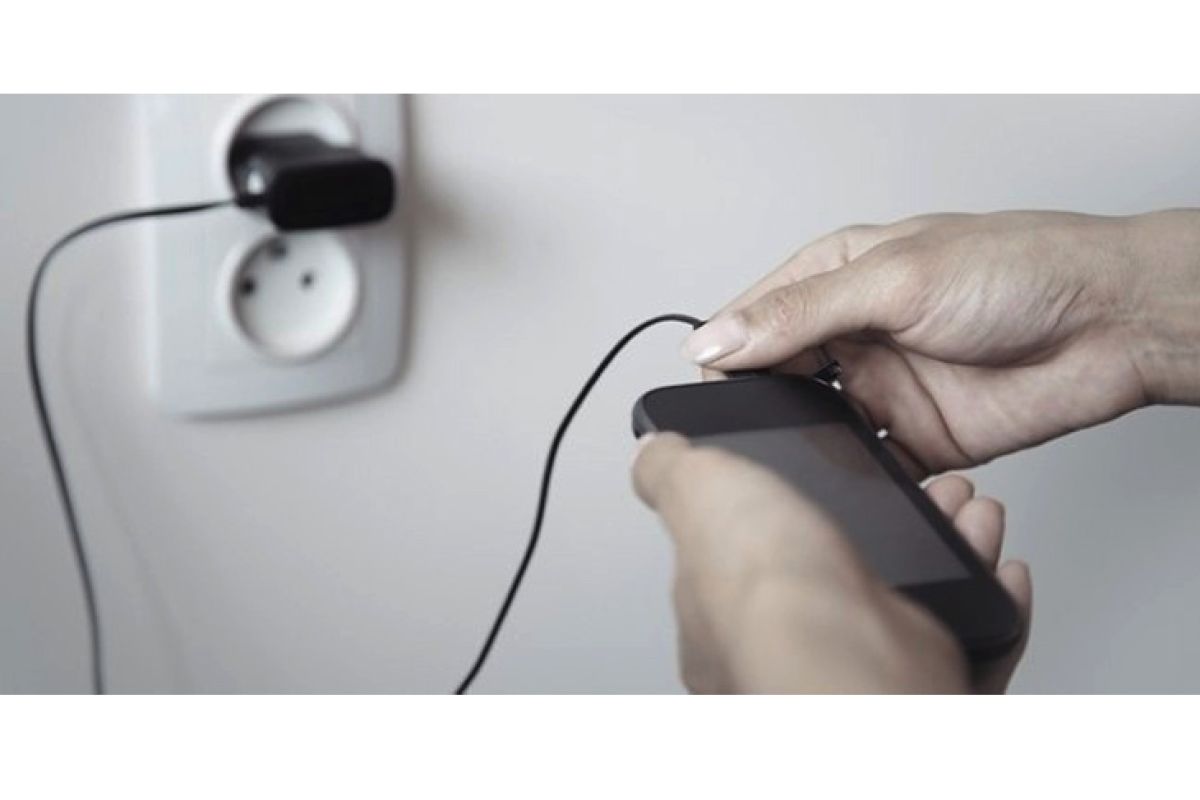
Jakarta (ANTARA) – The habit of charging a phone before bed and leaving it connected to a charger until morning remains a subject of debate. Some people believe it can damage the battery because the device continues to receive electricity even after reaching 100 per cent capacity.
This is not entirely true, particularly for newer phones. Most modern smartphones have power management systems that can stop charging once the battery is full.
However, that does not mean charging overnight has no effect at all on battery health. Several factors still need to be considered, particularly temperature and how long the battery remains fully charged.
So, can charging a mobile phone overnight really damage its battery?
The answer is that it is a myth if it means the battery will be directly damaged by overcharging.
Modern phones generally use lithium-ion batteries equipped with a Battery Management System (BMS). This system regulates charging, monitors temperature and limits the flow of electricity when the battery reaches its set capacity limit.
This means that when the battery reaches 100 per cent, the phone does not continue to receive power at the same rate as it does during the charging process.
Some manufacturers also offer smart charging features, such as Optimised Battery Charging on iPhones and Battery Protection on some Samsung devices.
These features can delay or limit charging to reduce the time the battery spends at full capacity.
Although it does not directly cause overcharging, leaving a phone connected to a charger for a long time can affect battery lifespan through several factors.
- The battery remains at full capacity for too long
Lithium-ion batteries experience greater chemical stress when they remain at a high charge level for a long time.
If charging to 100 per cent every night becomes a habit, the battery’s chemical ageing may happen faster than with a more controlled charging pattern.
- The device heats up
Heat is one factor that can accelerate battery degradation. A device may become warmer while charging, especially if the phone is being used for gaming or running demanding applications.
The risk increases if the phone is placed under a pillow or blanket, or on a surface that prevents heat from escaping.
- The charger is of poor quality
Using a charger that does not meet the required standards or is of poor quality can also increase the risk of problems during charging.
It is therefore best to use the original adapter and cable, or replacement accessories that are certified and compatible with the manufacturer’s recommendations.
To preserve battery health, users do not need to wait until the battery is empty before charging it again. Lithium-ion batteries are better suited to being charged in stages than to being repeatedly allowed to run down to 0 per cent.
Some habits users can adopt include:
Keep the battery charge between 20 and 80 per cent where possible.
Enable smart charging or the charging limit feature on the phone.
Avoid using the phone for demanding activities while it is charging.
Do not place the phone under a pillow or blanket while it is connected to a charger.
Use a good-quality charger and cable that meet the device’s specifications.
Avoid charging in excessively hot locations.
Charging a phone overnight does not mean its battery will be damaged immediately, especially on modern smartphones with automatic charging protection systems.
Even so, the habit can contribute to a decline in battery health over the long term, particularly if the device often remains fully charged and is exposed to excessive heat.
Users therefore need not worry unduly if they occasionally charge their phone overnight. However, adopting more controlled charging habits and keeping the device at a normal temperature can help extend battery life.
Source: jawawa.id (https://jawawa.id/newsitem/charging-overnight-can-damage-your-battery-myth-or-fact-1794624724)
Originally published by Antara (Indonesian) (https://www.antaranews.com/berita/5853407/mengisi-daya-semalaman-bisa-merusak-baterai-mitos-atau-fakta), translated from Indonesian