
Character Building: Father as Child's First Emotional Curriculum
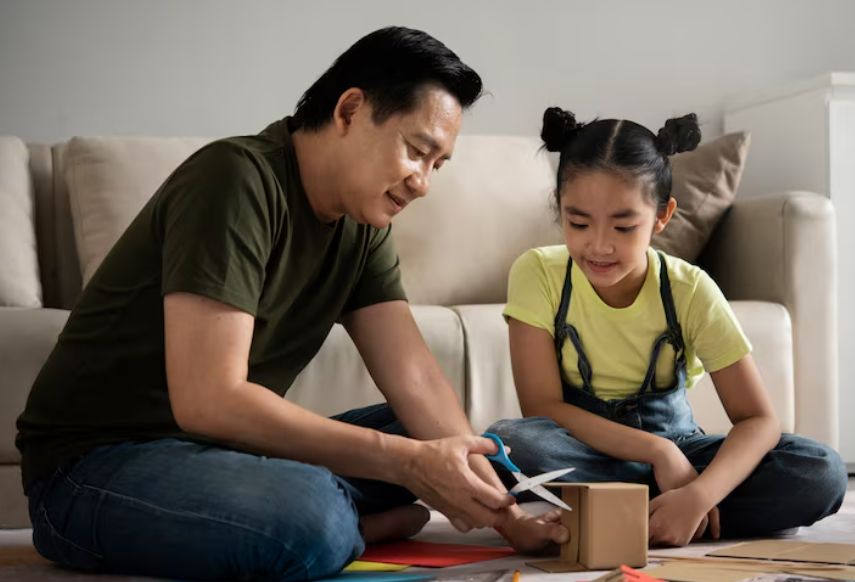
Education consultant and Indonesian fatherhood movement activist Rizky Tajuddin has reminded that a father’s role as a role model has a major influence on the formation of a child’s character and ability to manage emotions. According to him, children learn not only from the advice given by parents, but primarily from the behaviour they witness every day. “Children record what they see and hear. They pay attention to the father’s tone of voice, facial expressions, the way the father reprimands, the way the father treats the mother, to the way the father apologises,” Rizky said during a ‘Gerakan Ayah Teladan’ class event on Monday (22/6). He gave an example of many parents who ask their children not to shout or get angry, yet convey the prohibition with a high tone and full of anger. This condition makes it easier for children to imitate behaviour rather than follow the advice given. According to Rizky, being a role model means directly demonstrating the behaviour one wishes to teach the child. A child may forget parental advice, but will remember how the father faced anger, disappointment, conflict, or failure. He also stressed that all emotions are essentially natural and human. A father is allowed to feel angry, disappointed, sad, or tired. However, the most important thing is how these emotions are expressed without hurting the child. “A father may be angry, a father may be disappointed, a father may be tired. But the child still needs to feel safe. The father is emotional, but will not hurt,” he said. Rizky reminded that children should not be made an outlet for the pressures experienced by parents, for example after facing problems at work. On the contrary, the home must be a safe space for children to interact with their father. He also highlighted the importance of parental response when a child makes a mistake. According to him, mistakes are part of the learning process that should be corrected, not used as a reason to insult or demean the child. “Being firm is clear and aims to improve. Being harsh wounds. These two things are different,” he said. In addition, Rizky assessed that differences of opinion and conflict between father and mother are normal. However, the way parents resolve conflict will be a valuable lesson for children about healthy and mutually respectful relationships. “Boys learn how to treat women from the way their father treats their mother. Girls also learn the standard of proper treatment they deserve from there,” he said. Rizky added that fathers do not need to fear losing authority when admitting mistakes and apologising to their children. On the contrary, this attitude teaches responsibility, the courage to admit mistakes, and the importance of maintaining relationships over preserving pride. He invited fathers to reflect on their daily behaviour at home. One way is by asking themselves whether they would be willing if their child imitated the way they get angry, speak to their partner, or face problems. “What emotion do I most often pass on at home? Safe or tense?” he said. Rizky stressed that the father is the first teacher for the child in understanding and managing emotions. “The father is the first emotional curriculum for the child. Before the child learns to manage emotions from school, he first learns from his father’s face, voice, and responses at home,” Rizky said.