
Changing Work Trends: Is the Conventional Office Being Left Behind?
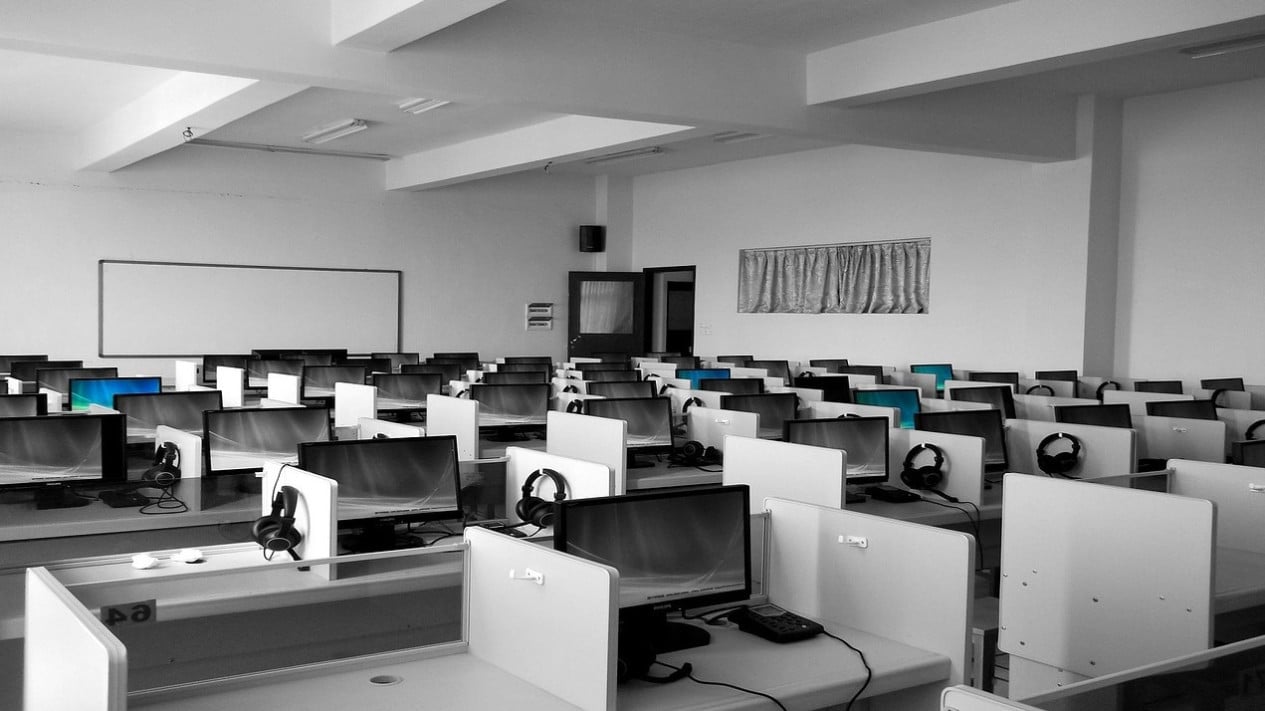
Jakarta, VIVA – The Covid-19 pandemic changed how many companies conduct their work. When mobility restrictions forced some employees to work from home, the previously office-centred pattern began to shift, giving rise to more flexible ways of working.
The change has not been reversed completely, with office activity returning to normal as it was before the pandemic. Some companies and employees have now become accustomed to working partly in the office and partly from other locations.
This shift in working practices has also affected how companies view the function and design of their workplaces. The issue was discussed by Studio Yruna Design Director Fayruzka Juanita.
She said workplace design now needs to reflect working patterns, culture and organisational needs. In her view, an office should not merely be a place to get work done, but should also help employees develop and realise their potential.
“Companies see the office only as a place where people work, not as a place where they can grow, where their potential can be encouraged, and where facilities can help make that happen,” she said at a press conference for the DFL Conference 2026 in Jakarta on Thursday (8 October 2026).
Fayruzka said companies need to understand their business objectives, organisational direction, working patterns and desired culture before deciding on a workplace concept. This understanding is needed to ensure that physical facilities are suited to employees’ needs and the organisation’s character over the long term.
She said a mismatch between the culture a company wants to foster and the facilities available in its workplace can affect the development of corporate culture and employee productivity.
Workplaces should therefore be designed flexibly to accommodate a range of activities, including collaboration, small-group meetings, and tasks requiring concentration and privacy.
Workplace planning should also take account of how an organisation may develop over the next five to 10 years. Companies need to consider possible changes in employee numbers and working patterns so that facilities are not designed solely around current needs.
“That way, when changes happen, there is no need to make another major investment because the space can already adapt,” she said.