
Changes to Tax Administrative Rules and the Space for Taxpayers
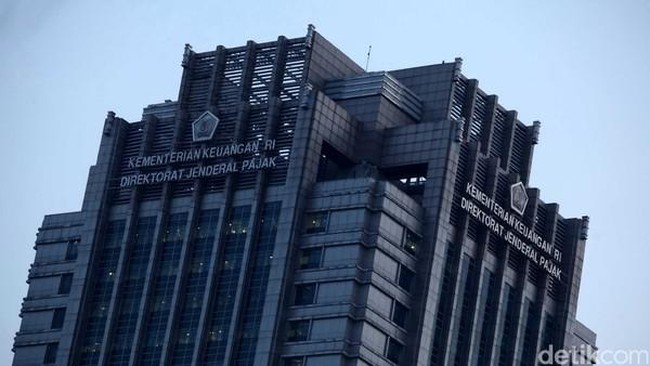
Less than two years after the implementation of Minister of Finance Regulation (PMK) Number 118 of 2024, the rules regarding the correction, objection, reduction, removal, and cancellation of tax assessments have changed again. While PMK 118/2024 came into effect on 1 January 2025, PMK Number 71 of 2026 will take effect on 2 October 202<0xA0>26, amending several provisions within the previous regulation.
This change is noteworthy because PMK 118/2024 was originally designed to unify various scattered regulations regarding tax corrections, objections, and the reduction or removal of sanctions into a single framework.
What necessitates this further adjustment? One significant change is found in the objection process. PMK 71/2026 clarifies the activities that can be conducted during an objection investigation. Beyond requesting data and information from taxpayers, the investigation process may now involve requesting evidence from third parties, discussions, clarifications, assessments, and other necessary activities. The exchange of information for taxation purposes is also explicitly affirmed as part of this investigation process.
This shift indicates that objection investigations will no longer rely solely on documents submitted by the taxpayer. There is now a clearer mandate for the Directorate General of Taxes (DJP) to obtain and verify relevant external information before a decision is issued. Conversely, taxpayers are still provided with the opportunity to respond to investigation results. If a taxpayer is unable to attend a discussion as stipulated, they may submit a written response no later than 10 working days after the Notification of Attendance is sent.
Similar issues are addressed regarding sanctions. PMK 71/2026 clarifies the types of administrative sanctions and PBB-P5L (Land and Building Tax) fines that are eligible for reduction or removal. For certain PBB-P5L provisions, the regulation also alters the calculation order for payments between the principal tax and sanctions. Payments will first be applied to settle unpaid or underpaid taxes; any remaining surplus will then be applied against administrative sanctions or fines.
This arrangement clarifies the distinction between the principal tax, which is a mandatory obligation, and sanctions, which are administrative consequences that may receive different treatment under specific provisions. Simultaneously, PMK 71/2026 provides avenues for the reduction or removal of administrative sanctions and PBB-P5L fines to support the national economy, though these are still subject to specific requirements and deadlines.
The adjustments also touch upon incorrect tax assessments. PMK 71/2026 re-regulates the relationship between the mechanisms for reducing or cancelling certain assessments and the objections filed by taxpayers.
Viewed collectively, PMK 71/2026 does not merely alter a single mechanism but affects several administrative pathways available to taxpayers facing tax administration products. When taxpayers disagree with an assessment, there is an objection mechanism; when errors exist in administrative products, there is a correction mechanism; when sanctions meet certain criteria, there is a reduction or removal mechanism; and for incorrect assessments, there is a reduction or cancellation mechanism.
This is where the amendment to PMK 118/2024 becomes significant. For taxpayers, these mechanisms are more than just procedural; they determine the recourse available in the event of errors, disagreements, or sanctions. For the tax authorities, clear mechanisms dictate how every application is investigated and decided. Ultimately, legal certainty is determined not only by the amount of tax to be paid but by the clarity of what can be done once an assessment has been issued.
Source: jawawa.id (https://jawawa.id/newsitem/changes-to-tax-administrative-rules-and-the-space-for-taxpayers-1791269537)
Originally published by CNBC Indonesia (https://www.cnbcindonesia.com/opini/20261006111719-14-773690/perubahan-aturan-administratif-perpajakan-dan-ruang-bagi-wajib-pajak), translated from Indonesian