
Changan Hopes for Greater Incentives for REEV
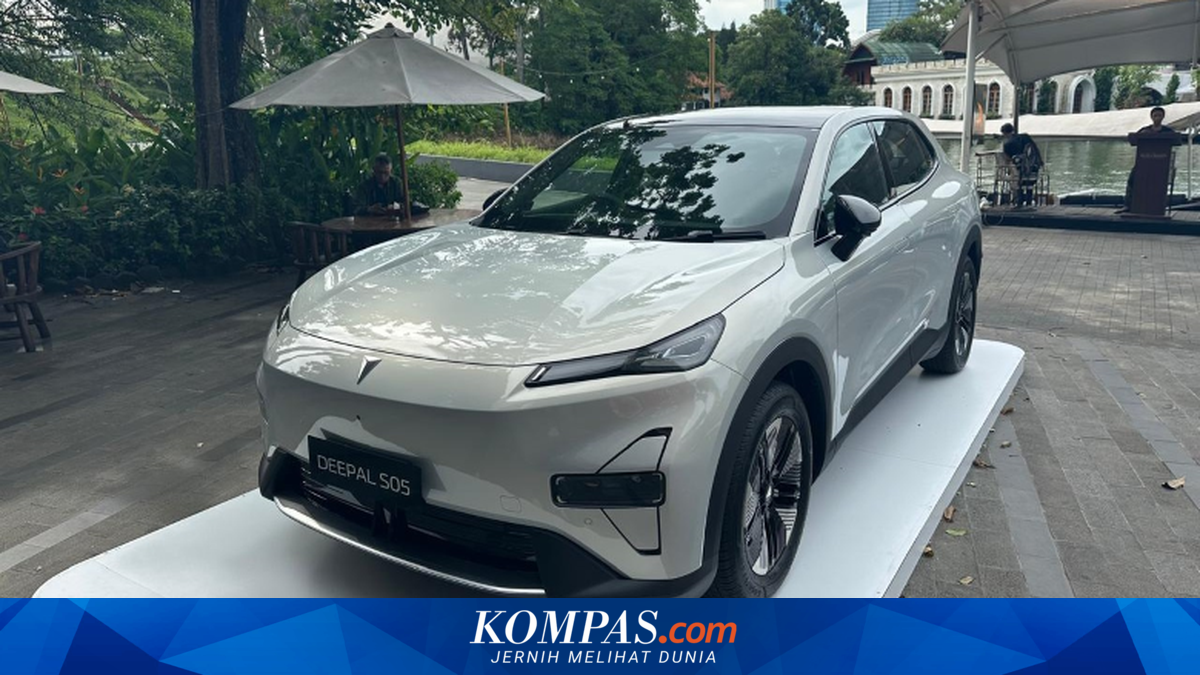
The government has previously provided incentives for hybrid vehicles, although some consider them less significant than those for electric vehicles. Changan Indonesia, which introduces vehicles with Range Extended Electric Vehicle (REEV) technology, hopes to receive greater incentives. The policy on hybrid vehicle incentives is outlined in Finance Ministry Regulation (PMK) No. 12 of 2025. This policy ends in December 2025 and has not been extended as of this report. CEO of Changan Indonesia, Setiawan Surya, stated that they hope the government will reinstate incentives for hybrid vehicles, similar to those for electric vehicles. However, with the variety of hybrid technologies, Setiawan hopes that REEV will receive larger incentives. “We certainly hope so, because now hybrids might just be one group. I don’t remember the categories, but from Changan’s perspective, we hope that hybrid technology which is increasingly efficient and more advanced in fuel usage will receive greater incentives,” said Setiawan to reporters when met in Beijing, China, recently. Therefore, he hopes for equivalent fiscal support from the government to appreciate manufacturers’ efforts in delivering better technology to consumers. “Because if manufacturers can make technology more efficient, that means they are also spending large amounts on research. So naturally, we hope to receive greater incentives as well,” said Setiawan. Technically, REEV offers a unique solution amid the electrification transition, using a petrol engine that functions as an electric generator to charge the battery, rather than directly driving the wheels. This makes fuel consumption far more economical than conventional vehicles, while eliminating consumers’ concerns about driving range (range anxiety) that often plague pure electric vehicle users.