
Changan Brings REEV to Indonesia: A Bridge Solution to Electric Vehicles
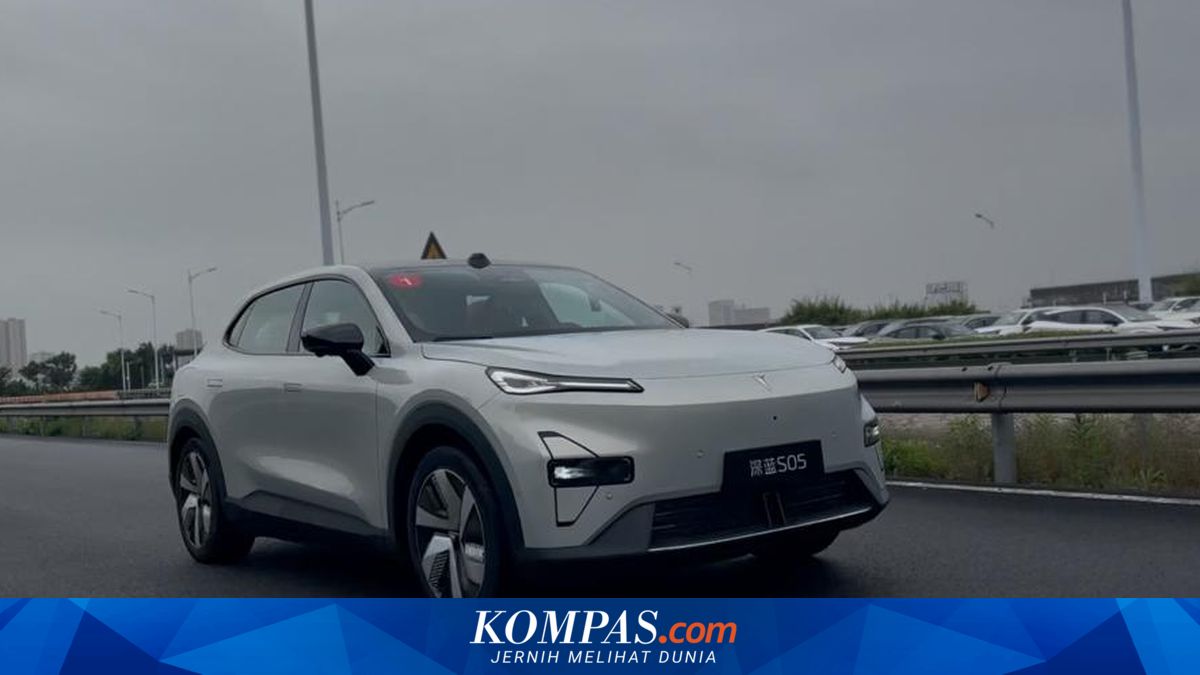
JAKARTA, KOMPAS.com - The Chinese automaker Changan is steadily refining its strategic plans to enter the Indonesian automotive market. One of the main focuses it will bring is the introduction of Range Extended Electric Vehicle (REEV) technology as a solution for consumers looking to transition from conventional vehicles to electrified ones. Changan assesses that the energy transition process in the automotive sector requires an approach that cannot be done instantaneously, especially for consumers still accustomed to the flexibility of internal combustion engine (ICE) vehicles. Changan Indonesia CEO Setiawan Surya stated that the company will launch hybrid vehicles with REEV technology as a bridge for consumers to switch to full electric vehicles. In the REEV system, the drive wheels are entirely powered by electric motors, while the conventional engine only functions as a generator to charge the battery when its energy depletes. This provides the driving sensation of a pure electric vehicle, but with the advantage of unlimited range as long as fuel is available. “We are providing facilities for consumers who may currently not yet feel secure or comfortable switching from internal combustion engine (ICE) vehicles to fully electric ones,” Setiawan said to reporters when met in Beijing, China, recently. This strategy is deemed quite relevant to the condition of Indonesia’s charging infrastructure, which is still developing. Consumers often face psychological challenges in the form of range anxiety or concerns about running out of battery power during long trips, which is a major barrier to adopting battery electric vehicles (BEV). “That’s why we provide a bridge. There are many types of hybrids. One that Changan introduces is REEV,” Setiawan added. Another advantage of REEV is the fuel efficiency it offers. With the engine operating at optimal RPM to charge the battery, energy consumption becomes much more efficient compared to conventional engines that must work hard in various road conditions. This becomes a unique selling point for consumers who want to save on operational costs but are not yet ready to fully abandon fossil fuels. “In my opinion, we are giving consumers a choice. With REEV, fossil fuel consumption is also significantly reduced compared to conventional ones,” he said. By bringing REEV technology to the Indonesian market, Changan hopes to fill the market gap between conventional vehicles and pure electric vehicles. The presence of this option is expected to accelerate public education on the comfort of electric-powered driving, ultimately helping the government achieve its targets for clean energy transition in the national transportation sector.