
Chandra Asri Seen as More Attractive to Global Investors After Free Float Rises to 25.7%
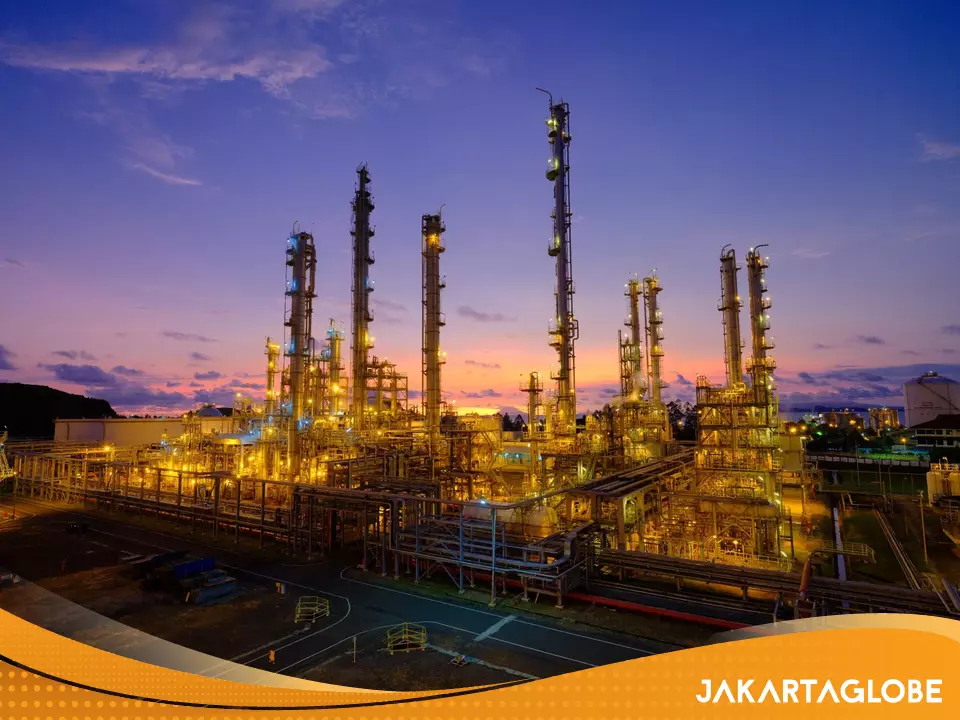
Chandra Asri Seen as More Attractive to Global Investors After Free Float Rises to 25.7%
Jakarta. An increase in the public shareholding, or free float, of PT Chandra Asri Pacific Tbk is seen as a positive catalyst that could strengthen the petrochemical company’s appeal among both domestic and global investors, according to analysts.
The company’s free float rose to 25.7% after SCG Chemicals Public Company Limited (SCGC) adjusted its shareholding as part of a deleveraging strategy by its parent company. Despite the move, control of the company remains firmly in the hands of its three main shareholders — Barito Pacific, SCGC, and Thai Oil — which together still own about 74.3% of the shares.
Verdhana Sekuritas analyst Nizam Syafik said the higher free float not only allows the company to comfortably exceed the Indonesia Stock Exchange’s minimum public ownership requirement, but also improves trading liquidity, making the stock more attractive to large institutional investors.
“The rebalancing carried out by SCGC does not change the company’s governance, management, or strategic direction. TPIA continues to pursue its growth agenda in the energy, chemicals, and infrastructure sectors,” Nizam said.
Beyond the increase in free float, Nizam said the company’s main strength lies in the fundamental transformation of its business over the past several years. Previously known primarily as a petrochemical producer highly dependent on industry margin cycles, Chandra Asri has evolved into an integrated platform spanning energy, chemicals, and infrastructure.
Over the past three years, the company has expanded from operating a single cracker asset valued at around $1.8 billion into a broader business platform with potential revenue estimated at between $7 billion and $10 billion.
The transformation accelerated following the acquisition of Shell Energy and Chemicals Park Singapore (SECP), now operating under the name Aster. Completed in 2025, the acquisition added a refinery with a processing capacity of 237,000 barrels per day and an ethylene cracker facility capable of producing 1.1 million tons annually.
The addition of Aster significantly reshaped the company’s revenue structure, with the energy segment contributing around 55% of total revenue in the first quarter of 2026.
According to Nizam, the diversification strategy comes at a critical time for the global petrochemical industry, which continues to face pressure from excess production capacity in China. By expanding into energy, TPIA is no longer fully dependent on volatile petrochemical margins and now has a more diversified and resilient earnings base.
The company’s financial performance has begun reflecting the impact of the transformation. In the first quarter of 2026, TPIA posted a record operating profit (EBIT) of $468 million and net profit of $205 million.
The energy segment became the largest earnings contributor, generating EBIT of $556 million, supported by strong refining margins in Singapore that climbed to around $30 per barrel amid geopolitical tensions in the Middle East.
Nizam said the Aster acquisition could generate returns faster than initially expected while also helping improve the company’s debt structure.
The acquisition also strengthened TPIA’s balance sheet through a bargain purchase gain of around $1.7 billion, creating additional financial flexibility to fund future expansion projects.
The company is continuing its growth strategy through the development of the Chlor-Alkali Ethylene Dichloride (CA-EDC) project in Cilegon, valued at around $800 million, in partnership with Danantara and the Indonesia Investment Authority (INA).
The project is targeted to begin operations in 2027 and will have an annual production capacity of 400,000 tons of solid caustic soda and 500,000 tons of EDC. The caustic soda output will serve domestic industries such as detergents, alumina, and nickel processing, while EDC production is intended for export markets as feedstock for PVC manufacturing.
TPIA has also expanded downstream integration through the acquisition of Esso fuel retail stations in Singapore, enabling the company to integrate refining, petrochemical, and retail fuel distribution operations across the supply chain.
The company’s third growth pillar is infrastructure, managed through PT Chandra Daya Investasi (CDI), which provides energy, port, storage, logistics, and industrial water services for both internal operations and third-party customers.
Looking ahead, CDI is expected to play a key role in supporting utility needs for TPIA’s expansion projects, including the CA-EDC facility in Cilegon.
“With stronger free float, diversified earnings, a healthier balance sheet, and integrated expansion across energy, chemicals, and infrastructure, TPIA has transformed into a much stronger integrated energy and chemical company compared with several years ago,” Nizam said.
“In that context, the increase in free float to 25.7% not only broadens investor access to the stock but also strengthens TPIA’s relevance as one of Indonesia’s key strategic industrial companies entering a new growth phase.”
Tags: Keywords:
Source: jawawa.id (https://jawawa.id/newsitem/chandra-asri-seen-as-more-attractive-to-global-investors-after-free-float-rises-to-25-7-1781617810)
Originally published by jakartaglobe.id (https://jakartaglobe.id/special-updates/chandra-asri-seen-as-more-attractive-to-global-investors-after-free-float-rises-to-257)