
Challenges in Lung Cancer Treatment in Indonesia: From Screening to Access to Targeted Therapy
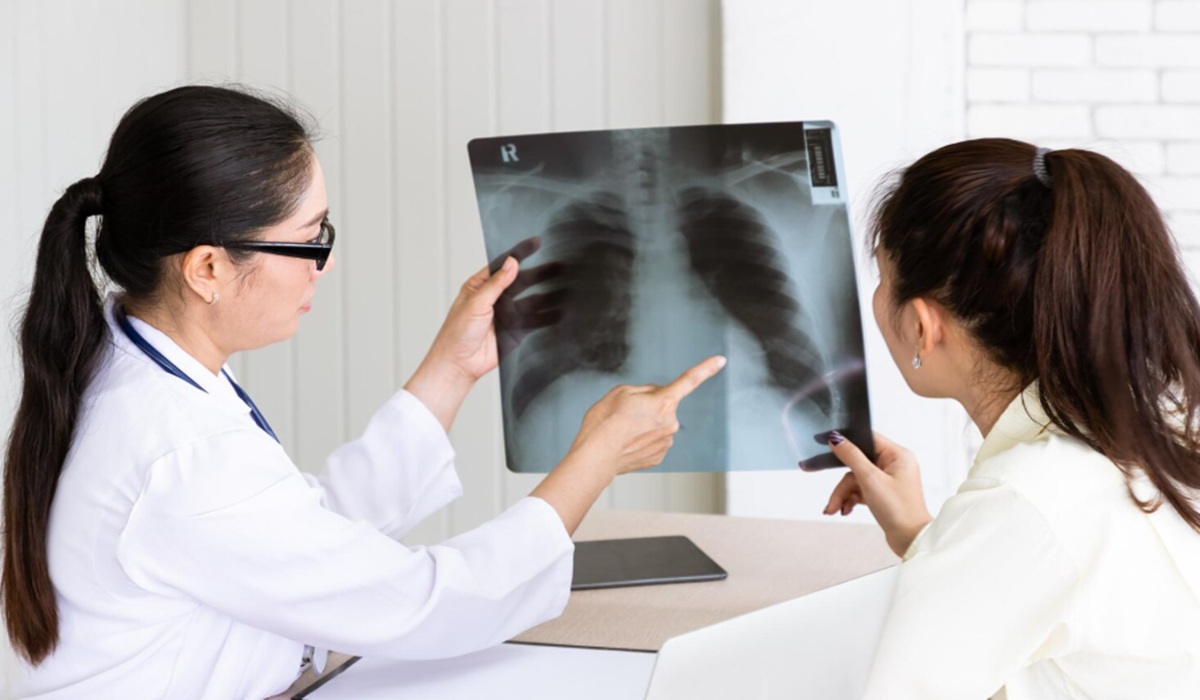
Lung cancer treatment in Indonesia still faces a rocky road. Pulmonologist and lung oncology consultant Prof. Dr. Laksmi Wulandari revealed that significant challenges persist in both the promotive and curative aspects of tackling this deadly disease.
“The challenges in handling lung cancer currently still occur largely in the promotive and preventive aspects, which have not been running optimally and are sporadic, so the burden of treatment is more focused on the curative stage,” Laksmi said in an official statement in Jakarta, quoted on Friday.
Laksmi explained that Indonesia actually has standard guidelines from the National Comprehensive Cancer Network (NCCN). These guidelines recommend annual screening using a Low-Dose CT Thorax Scan (LDCT) for high-risk groups. However, in practice, the implementation of LDCT in Indonesia is not yet widespread due to limited facilities.
Beyond screening issues, the diagnostic process is also often hampered. The limited number of anatomical pathology specialists, who are mostly concentrated in large hospitals in major cities, results in longer waiting times for diagnostic results. In fact, speed and accuracy of diagnosis are crucial for doctors to determine the right type of therapy for patients.
Although innovations in lung cancer treatment are developing rapidly—including radiotherapy, chemotherapy, targeted therapy, and immunotherapy—public access to these innovations in Indonesia remains limited. One crucial point highlighted is the scope of health financing.
In neighbouring countries such as Singapore, Malaysia, Japan, and South Korea, third-generation targeted therapy is already included in government financing schemes. In contrast, in Indonesia, BPJS Kesehatan coverage is currently limited to first- and second-generation targeted therapy.
This situation makes it difficult for lung cancer patients in Indonesia to access the latest, more effective targeted therapies. Laksmi recommended that the government be more adaptive in providing access to the latest medicines so that patient treatment outcomes can be more optimal.
To reduce the number of cases, Laksmi stressed the importance of strengthening environmental health regulations, tobacco control, and banning smoking in public spaces. She also urged the massive implementation of the 2023 Minister of Health Regulation concerning routine screening and early detection through community health centres (Puskesmas) and first-level health facilities.
In agreement, BPJS Watch Advocacy Coordinator Timboel Siregar asserted that access to quality healthcare is a constitutional right. According to him, the public should be able to benefit from developments in medical technology and the latest medicines without being constrained by costs.