
Challenges Faced by Janazah Washers Amid Wounds, Grief and Tradition Differences
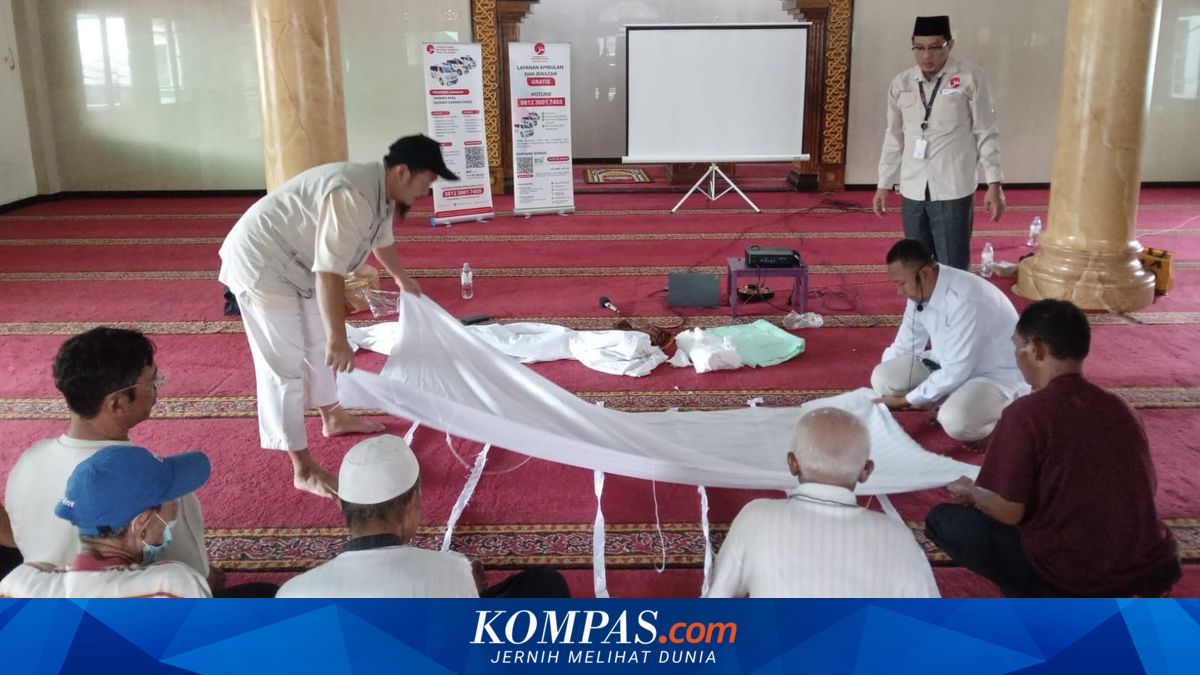
DEPOK — Behind the scenes of final rites, volunteer janazah washers in Depok work silently, confronting family grief, tradition differences and emotional pressures that often occur simultaneously. Ayu (not her real name), 41, coordinator of the Female Janazah Management Team at Imam Asy-Syafi’i Mosque (MIAZ), said the main challenges often arise from unpredictable field situations. One issue is coordination between families and other parties involved in handling the deceased. ‘We were once ready to arrive with all equipment, but the body had already been washed by others without the family’s knowledge,’ Ayu said at MIAZ in Sukmajaya, Depok, on Friday (29 May 2026). That situation not only caused confusion on-site but also left the family feeling uneasy after having requested assistance. Another recurring challenge is differing understandings of the proper procedures for handling the deceased. ‘Some want to follow sunnah, others want to follow community customs. This requires discussion first,’ she said. Such differences often require time before the washing can proceed. In times of grief, decisions involving multiple parties can become complicated. Physical challenges also cannot be avoided. Ayu recalled a difficult case handling a body with severe wounds from a prolonged illness. ‘It took over three hours. The wounds were still oozing. We had to support the body and clean it very carefully. I almost fainted,’ she said. Despite this, all processes are done without payment. The volunteers work entirely voluntarily, often using personal equipment or donor donations. Unlike Ayu, who focused on technical challenges, Fatimah (not her real name), 50, revealed another layer: the emotional and psychological challenges from personal experiences and constant exposure to death. Fatimah started volunteering during the Covid-19 pandemic. Initially, she never imagined working directly with deceased bodies. ‘I was invited by a friend to learn. Over time, I got used to it,’ she said. But one experience marked the start of her emotional involvement: when her mother passed away, she couldn’t be present for the final rites as she was far from home. ‘From that, I wanted to help others so they don’t experience the same,’ Fatimah said.