
Challenges and Solutions for Charging Transjakarta Electric Buses
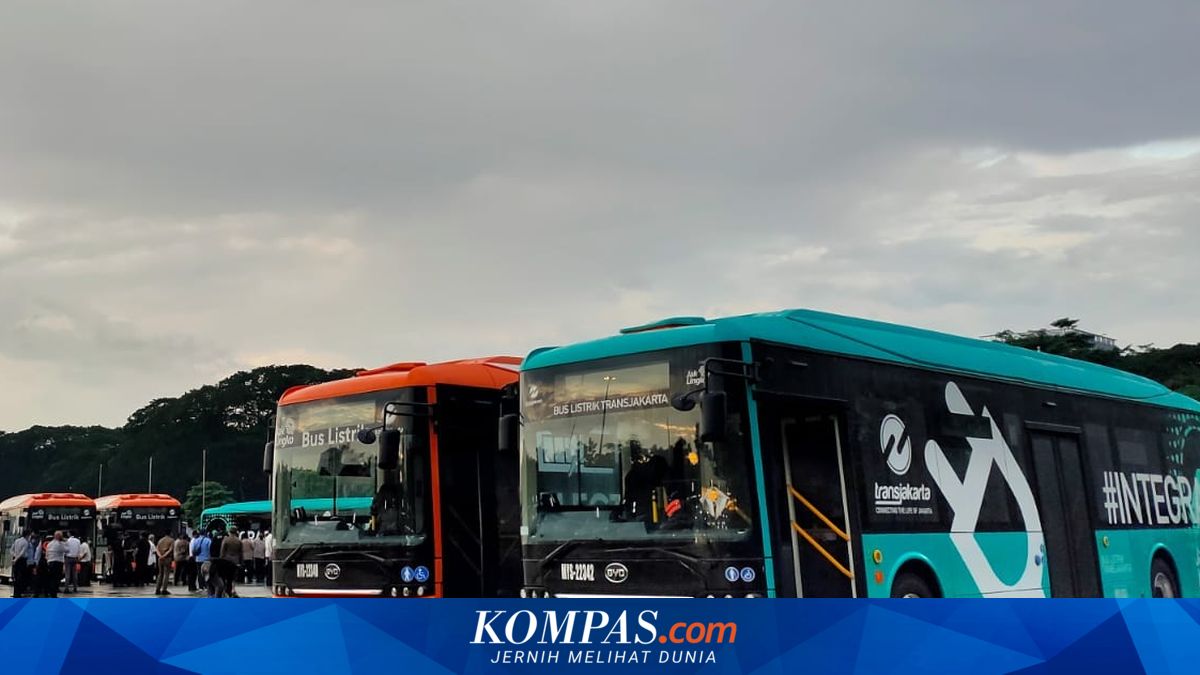
JAKARTA, KOMPAS.com - Since 2022, the DKI Jakarta Provincial Government has been vigorously promoting the use of electric buses in Transjakarta services. In fact, to achieve Net Zero Emissions, the DKI Provincial Government is targeting the conversion of all Transjakarta bus services to electric-based vehicles. Based on data from the Transportation Agency, electric Transjakarta buses have been operating with 480 units as of April 2026. However, achieving this target is not without hurdles, as several challenges must be addressed. The Head of the Passenger Transport Section for Routes and Terminals at the DKI Jakarta Transportation Agency, Made Jony Sasrawan, stated that charging facilities are currently only available at bus depots or special vehicle storage areas for Transjakarta buses. Building an ecosystem of chargers in the city centre for electric buses, according to Made, presents a significant challenge. If charging stations for buses are located in the city centre, buses would not need to travel far back to the depot for recharging. “Thus, with the new ecosystem, namely charging facilities available in DKI Jakarta, we hope they will be located in city centres,” he said. Made also mentioned that, based on a national study, four bus terminals will serve as alternative charging locations for electric buses in Jakarta. These four terminals are Terminal Pulogebang, Terminal Kampung Rambutan, Terminal Ragunan, and Terminal Pinang Ranti. “All these terminals are served by Transjakarta buses. We have also studied two more locations in the city centre, namely Terminal Senen and Terminal Blok M. Because these two terminals have quite proper locations and spaces, and the land is still relatively spacious,” he said.