
Challenged at the Constitutional Court, Appointment of 26 Presidential Advisory Council Members Said to Be Constitutional
President Prabowo Subianto’s decision to appoint 26 members to the Presidential Advisory Council of the Republic of Indonesia (Wantimpres) on 2 October 2026, through Presidential Decree No. 107/P of 2026, has attracted legal scrutiny.
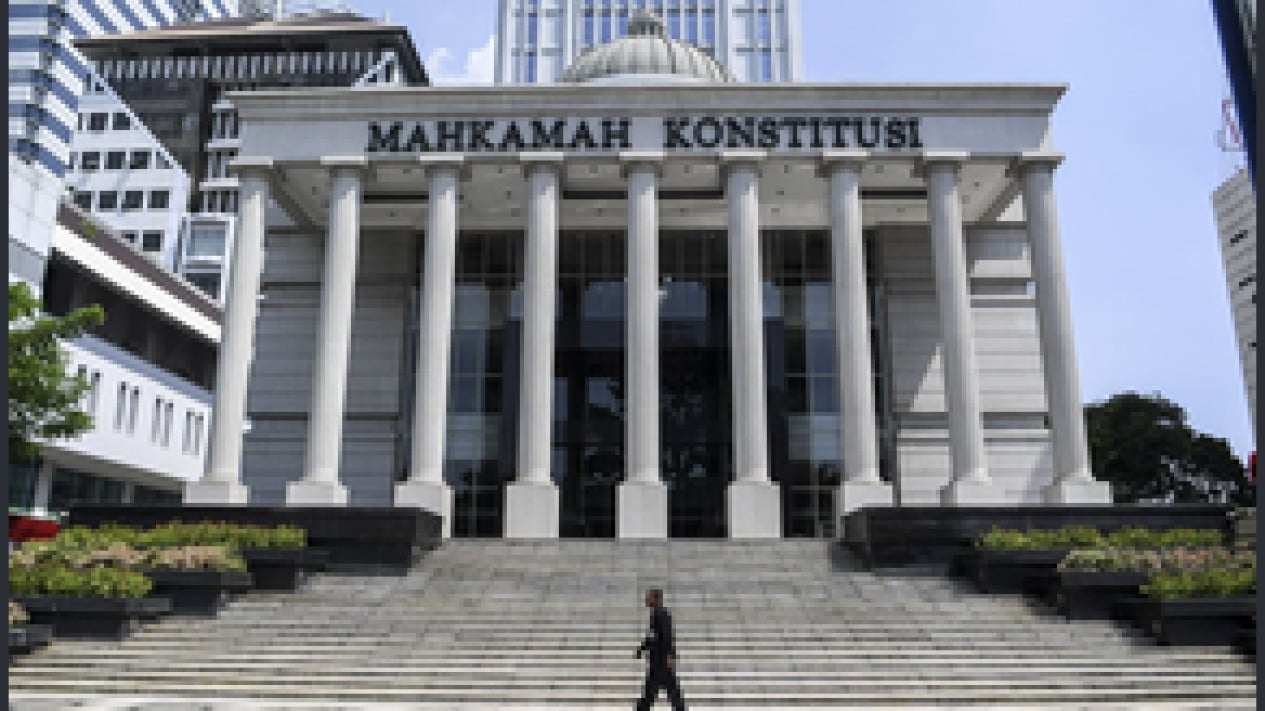
The move prompted a petition for judicial review at the Constitutional Court, case No. 389/PUU-XXIV/2026, filed by Muhamad Riziq Maulana on 15 October. The petitioner is challenging Article 7(1) of Law No. 64 of 2024, which amended Law No. 19 of 2006 on the Presidential Advisory Council. The absence of a maximum membership limit, the petitioner argues, could lead to an expanded institutional structure that would burden the state budget.
Fahri Bachmid, a constitutional law expert at the Indonesian Muslim University (UMI), said the President’s decision remained within the law. He described the determination of the advisory council’s size as a matter of the President’s constitutional discretion, or “constitutional permissibility”.
From a philosophical and constitutional perspective, Fahri said the President exercises executive power under the 1945 Constitution and requires strategic advice to ensure that policies accord with the principles of law, democracy and good governance. He said this was consistent with the mandate of Article 16 of the Constitution.
The current flexibility in the Wantimpres membership structure is based on the new provisions in Law No. 64 of 2024. Fahri cited Article 7(1), which states: “The Presidential Advisory Council of the Republic of Indonesia shall consist of a Chair, who is also a member, and a number of members determined according to the President’s needs, with due regard to the effectiveness of the administration of government,” Fahri said in a statement on Wednesday, 21 October 2026.
Under Article 7(2), the chairmanship may be held in rotation by members, as determined by the President. Fahri said the regulation was deliberately designed to be open-ended, with no rigid numerical limit, and instead rests on the President’s needs and the principle of effective government.
Fahri added that this flexibility was essential to bringing together collective wisdom. Challenges in social affairs, geopolitics, the economy and technology require the President to draw on a range of expertise, including academics, religious scholars, practitioners and businesspeople.
Referring to the presidential system set out in Article 4(1) of the 1945 Constitution, Fahri said establishing the presidential advisory body formed part of the President’s prerogative powers. However, he stressed that this discretion was not unlimited and must remain grounded in the Constitution and the effectiveness of government.