
Chairman of DPR Commission II States Regional Autonomy in Indonesia Has Not Yet Reached 30 Years
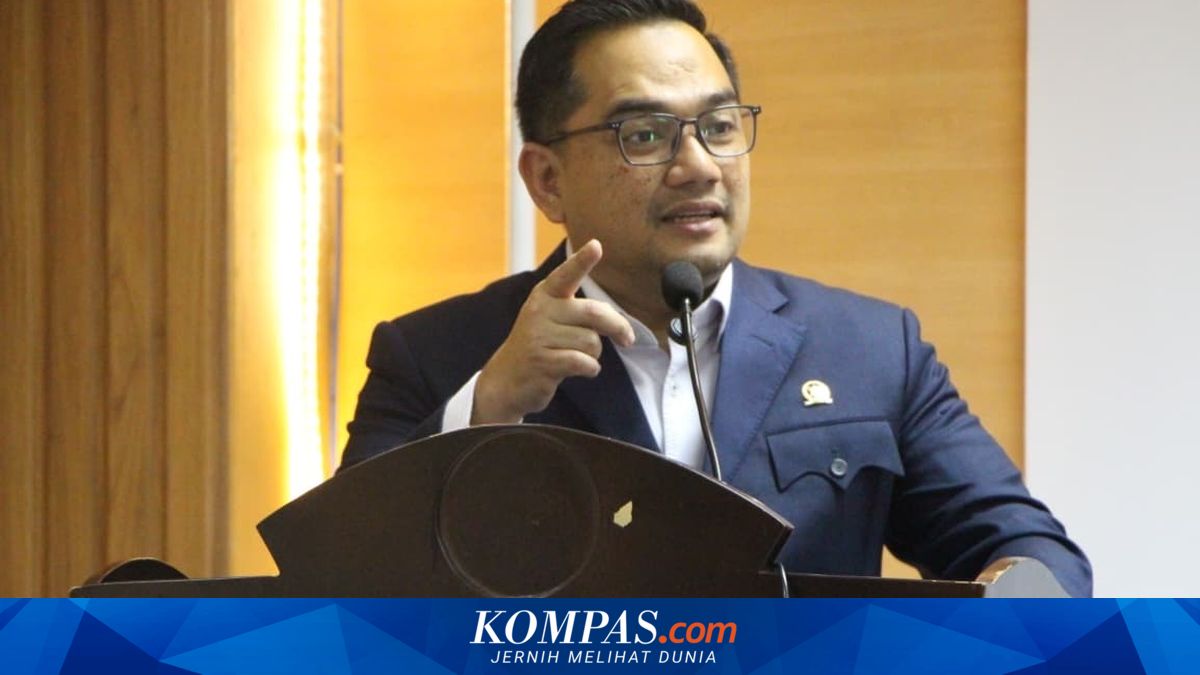
JAKARTA, KOMPAS.com - Rifqinizamy Karsayuda, Chairman of DPR Commission II, stated that Indonesia has only been implementing regional autonomy for 25 years, not 30 as currently commemorated.
Rifqinizamy explained that the 30th anniversary of Regional Autonomy Day does not fully reflect the implementation of decentralisation in Indonesia.
“The 30-year commemoration of regional autonomy today is not the same as 30 years of major decentralisation to the regions because this 30-year commemoration is based on Presidential Decree No. 11 of 1996, when regional autonomy had not yet been granted,” Rifqinizamy said when contacted by Kompas.com on Monday (27/4/2026).
“Regional autonomy was only granted based on the provisions of Law No. 22 of 1999, which became effective on 1 January 2001. That means, in 2026, we have only been implementing regional autonomy for 25 years,” he said.
He recounted that at the beginning of regional autonomy implementation, the authority given to regions was very broad, while the central government only held residual authority.
“At the start of the enactment of the regional government law No. 22 of 1999, regions were given a great deal of authority, and the central government relatively only received residual authority,” he stated.
This condition, he continued, triggered various deviations in the regions. Even, local heads often acted like “little kings.”
“What was the result? Regions with all their authority often misused it. Local heads became little kings, especially regents and mayors, and in fact, it did not correlate much with progress and regional welfare,” said Rifqinizamy.
He said the government then carried out restructuring to balance the relationship between the centre and the regions. In its development, the portion of authority and finances is now larger in the hands of the central government.
“If we look at the portion, the central government’s portion in terms of authority and finances today is far larger. That is because of our bad experiences during the provision of regional autonomy some time ago,” he said.
Nevertheless, Rifqinizamy emphasised the importance of maintaining a balance between the roles of the central and regional governments.
He assessed that trust in the regions still needs to be given, including space to manage government independently.
“In the future, I think we do need to reorganise; trust in the regions must still be given, space for the regions to arrange and manage their own government must be provided,” he concluded.