
Ceuta Crisis Eases as EU Assists Spain with Border Security
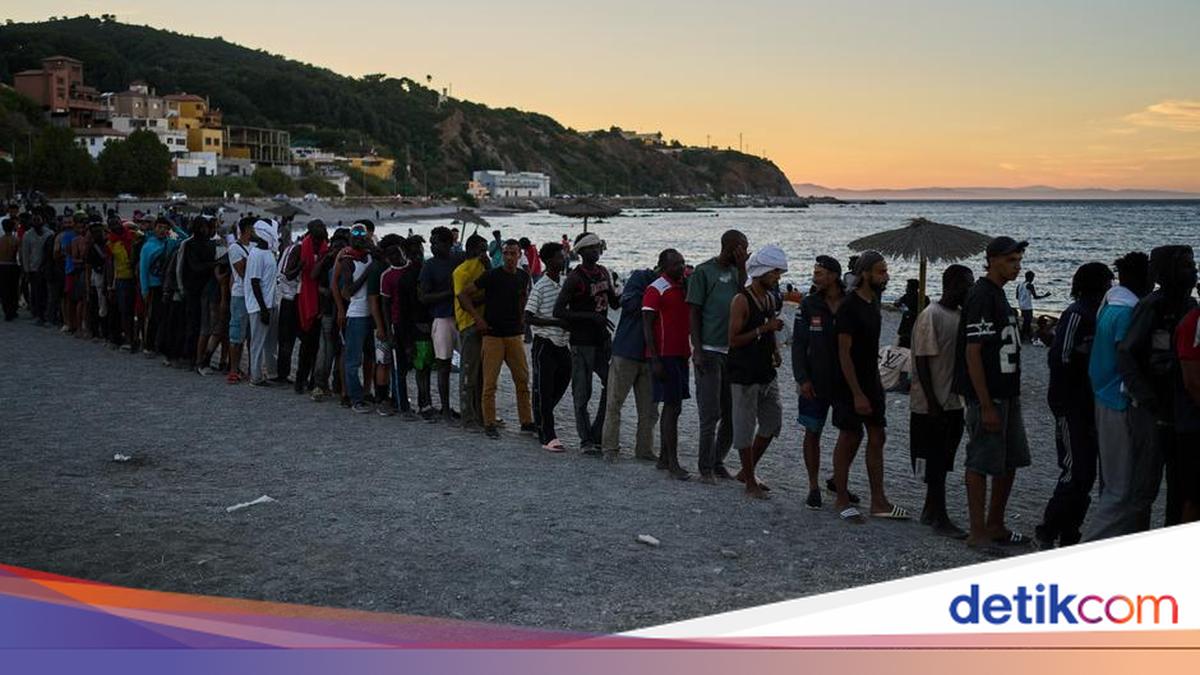
European Union interior ministers agreed to strengthen external border security following a video conference on Tuesday. The agreement was announced in an official statement. “There is a common understanding on the need for relentless efforts to continue fighting migrant smuggling networks, increase returns, strengthen the EU’s borders, build close partnerships with third countries, and improve anticipatory measures,” they wrote in a press release. The ministers also “highlighted that communication during crises can be improved through rapid and more integrated coordination, particularly to counter external actors involved in foreign information manipulation and interference.” The organisation agreed to provide emergency assistance to Spain to support enhanced border security. The meeting was convened to address security concerns within the free movement Schengen area after approximately 60,000 people stormed the border gate in Ceuta, a Spanish exclave. Various European non-governmental organisations reported that hundreds of minors were among those who breached the border. The incident triggered sharp criticism from centre-right and right-wing EU member state leaders directed at Spain’s left-wing Prime Minister, Pedro Sanchez. Countries such as Italy and Finland urged the immediate suspension of Spain’s membership in the Schengen agreement. However, officials and law enforcement agencies from across the EU stated that the border breach was caused by misinformation provided to asylum seekers waiting at the border. Authorities also voiced suspicions that human trafficking syndicates deliberately misled the prospective migrants. The Spanish exclave of Ceuta is located on the African continent, bordering Morocco on one side and the sea on the other. The territory enforces stricter-than-usual Schengen entry and exit procedures and conducts identity checks on passengers crossing to mainland Spain. Spain confirmed on Tuesday that approximately 60,000 people had been returned to Morocco since the weekend, leaving 2,500 still in Ceuta. “It is very clear that the Schengen area has not been disrupted at all by this crisis,” said Spanish Interior Minister Fernando Grande-Marlaska after talks with his EU counterparts. The statement was echoed by French Interior Minister Laurent Nunez: “We all agreed that the Schengen area was not actually the main issue.” EU Commissioner for Home Affairs and Migration Magnus Brunner said there was “full solidarity with Spain at the negotiating table” during the meeting. He added that enhanced border security facilitated by Frontex, the EU border agency, had been deployed in Ceuta and was “ready to do more.” He described the meeting as a “useful opportunity” to ensure no one crosses from Ceuta to the mainland. “The last few days have been a test of Europe’s resilience, a test of our external border security,” Brunner said. “I think it is clear that Europe has passed this test.”