
Certainty of Mineral and Coal Regulation Signals Positive Investment Climate
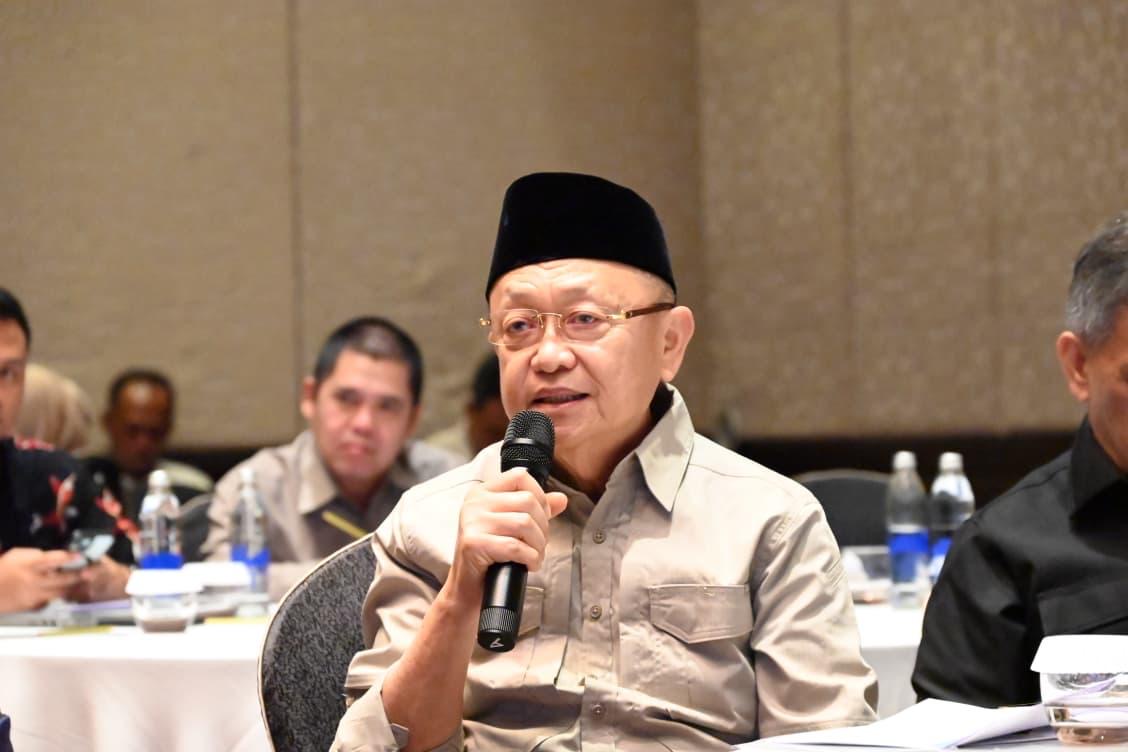
A member of Commission XII of the Indonesian House of Representatives (DPR RI) from the Golkar Party, Cek Endra, has praised the confirmation by the Minister of Energy and Mineral Resources (ESDM), Bahlil Lahadalia, that the gross split scheme only applies to the oil and gas sector and will not be implemented in the mineral and coal (minerba) sector. He stated that this certainty is a positive signal for the business world and strengthens investor confidence in the national mining sector. Cek Endra considers regulatory certainty a key factor in encouraging long-term investment in the mineral and coal sector, which requires large capital and has a long business cycle. Therefore, the government’s confirmation that there will be no change to the mineral and coal management regime is the right step to maintain the stability of the national investment climate. “Legal and business certainty are essential foundations for maintaining national investment attractiveness. The government’s affirmation that mineral and coal regulations still refer to the current rules provides certainty for business actors to continue their investment activities,” said Cek Endra, quoted from a press release received on Wednesday (10/6). According to him, this certainty is good news for mineral and coal-producing regions that have been the driving force of the national economy, such as Jambi, South Sumatra, East Kalimantan, South Kalimantan, Central Kalimantan, Central Sulawesi, and Papua. He views that ongoing investment activities in these regions not only impact increased production and state revenue but also create jobs, drive local businesses, and encourage regional economic growth. Cek Endra added that the mineral and coal sector holds a strategic position in supporting national economic growth targets through increased exports, state revenue, and the development of downstream industries based on natural resources. Because of this, the success of the downstream processing programme is highly dependent on the certainty of raw material supply and the sustainability of investment in the upstream sector. “The success of downstream processing requires sustainable investment support. Therefore, policy consistency is important so that business actors have the confidence to continue investing, developing businesses, and creating greater added value for the national economy,” he explained. He also assessed that policy stability will become increasingly important amidst rising global demand for various strategic mineral commodities owned by Indonesia. With consistent regulatory support, Indonesia has a great opportunity to strengthen its position as a centre for mineral-based industrial development while enhancing national competitiveness. “Commission XII of the DPR RI will continue to carry out its oversight function to ensure that natural resource management runs optimally, provides maximum benefits for the state and society, and supports the sustainable national development agenda,” he concluded.