
Certain Proteins May Harm the Brain but Could Help Form Memories
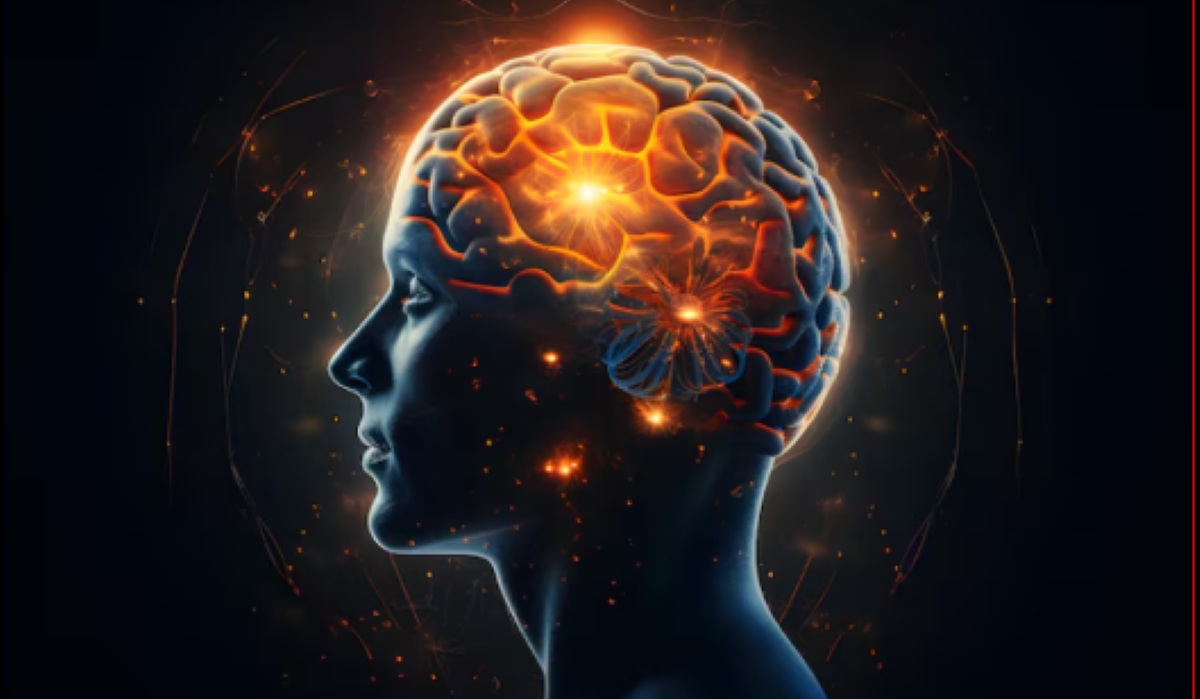
Human life stories are stored in memory. Yet scientists do not fully understand how the brain transforms fleeting sensory experiences into long-term memories. Recent findings suggest that one of the main triggers of neurological diseases, including those that cause memory loss, might actually be responsible for forming long-term memories in the first place.
In a new study published in the journal Proceedings of the National Academy of Sciences (PNAS), neuroscientist Kausik Si and his team at the Stowers Institute in Kansas City analysed chaperone proteins in the brains of fruit flies. These proteins help fold other proteins into their correct shapes. Although their brains are only the size of a grain of sand, fruit flies possess complex neural networks that have become a key model for exploring how the biological mind works.
Amyloid proteins are usually considered villains in the medical world. In their pathological form, amyloids are often linked to Alzheimer’s and Parkinson’s diseases because they form dense clumps of protein fibres that damage brain cells. However, Si’s research discovered that functional amyloids play a central role in creating memories.
“We have definitive evidence that there is a process in the nervous system which can take a protein and make it form amyloid at a specific time, in a specific place, and in response to a specific experience,” Si said in a press statement.
Si’s exploration of functional amyloids began back in 2003 with sea slugs. In 2020, his laboratory reported that amyloid acts as an adaptive protein for memory formation. However, the mechanism controlling when and how amyloid plays a positive role remained a mystery.
To solve this puzzle, the research team manipulated the concentration of 30 different chaperone proteins in the memory centre of fruit flies. In the process, they discovered a previously undescribed chaperone protein, which they named Funes. The name is taken from the main character in Jorge Luis Borges’ short story, Funes the Memorious, who had the ability to remember every detail.
In the experiment, scientists trained fruit flies to expect a sugar reward after being exposed to an unpleasant odour. The results showed that the protein Funes plays a role in a molecular cascade that acts like a timer in forming and maintaining long-term memory. The findings open a new perspective on understanding mental disorders. “Ultimately, chaperone proteins allow the brain to process or store information about the outside world,” Si said, adding that these proteins likely play an important role in diseases where perception of the world is disrupted, such as schizophrenia or bipolar disorder.