
CEO Standard Chartered Apologises After Labelling AI-Affected Jobs as 'Low-Value Human Capital'
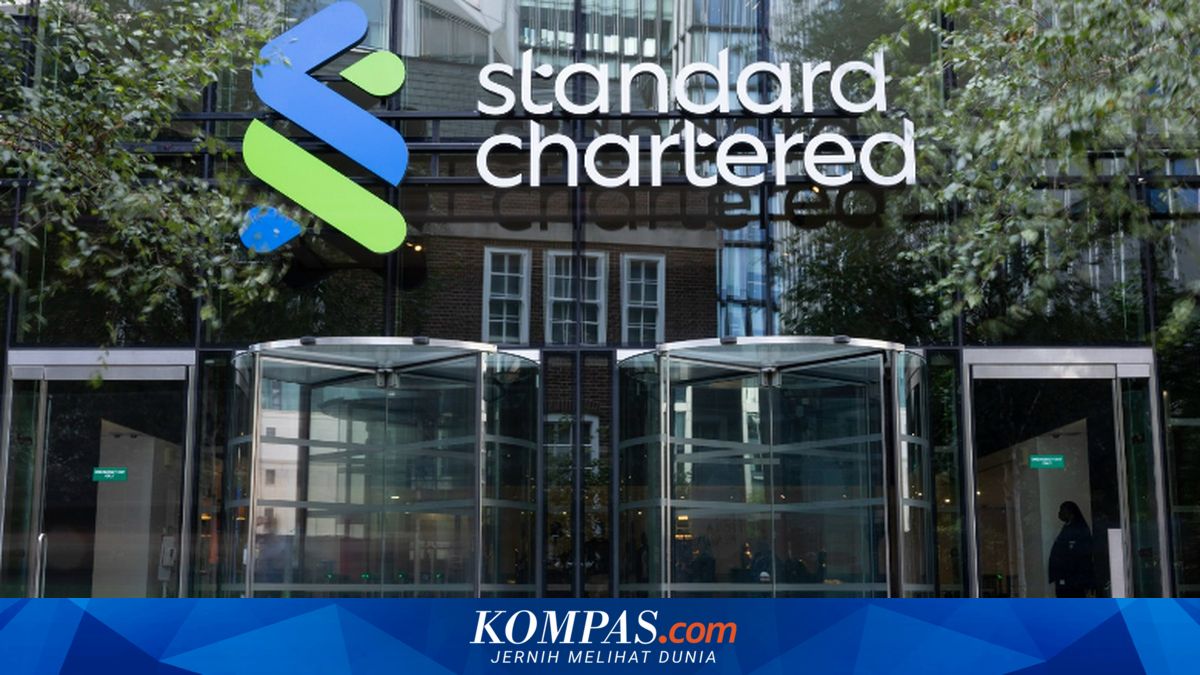
CEO Standard Chartered Bill Winters apologised after describing jobs vulnerable to replacement by artificial intelligence as ‘low-value human capital’. His remarks were made during an investor conference discussing Standard Chartered’s automation plans. The UK-based global bank previously stated it would cut around 15% of back-office or internal administrative roles over the next four years, affecting approximately 7,800 positions. He described the process as an effort ‘to replace, in some cases, low-value human capital with financial and investment capital we deploy’. The comments drew criticism, with many viewing the language as demeaning to workers affected by automation. Winters later issued a clarification on LinkedIn, expressing regret for the choice of words that had ‘caused disappointment among some colleagues’. He also reaffirmed his commitment to helping employees navigate the significant changes brought by AI developments. His initial LinkedIn post stated that the investor conference remarks should be viewed in the context of the company’s transformation. According to Winters, Standard Chartered has long helped employees whose jobs are at risk of automation acquire new skills, expected to open up other opportunities within the company. ‘In that context, I said roles with lower value are more vulnerable to automation, and that we have a responsibility to help colleagues transition to higher-value roles,’ Winters wrote on Saturday, 23 May 2026. ‘That is what a responsible employer should do, and I am proud of our strong track record in supporting internal transitions,’ he added. The bank employs around 82,000 staff across various countries, most in internal administrative functions. The emergence of generative AI in recent years has prompted many companies to review their workforce needs, particularly targeting routine, administrative, and process-based roles.