
Central-Regional Coordination Urged to Ensure Child Protection Protocols
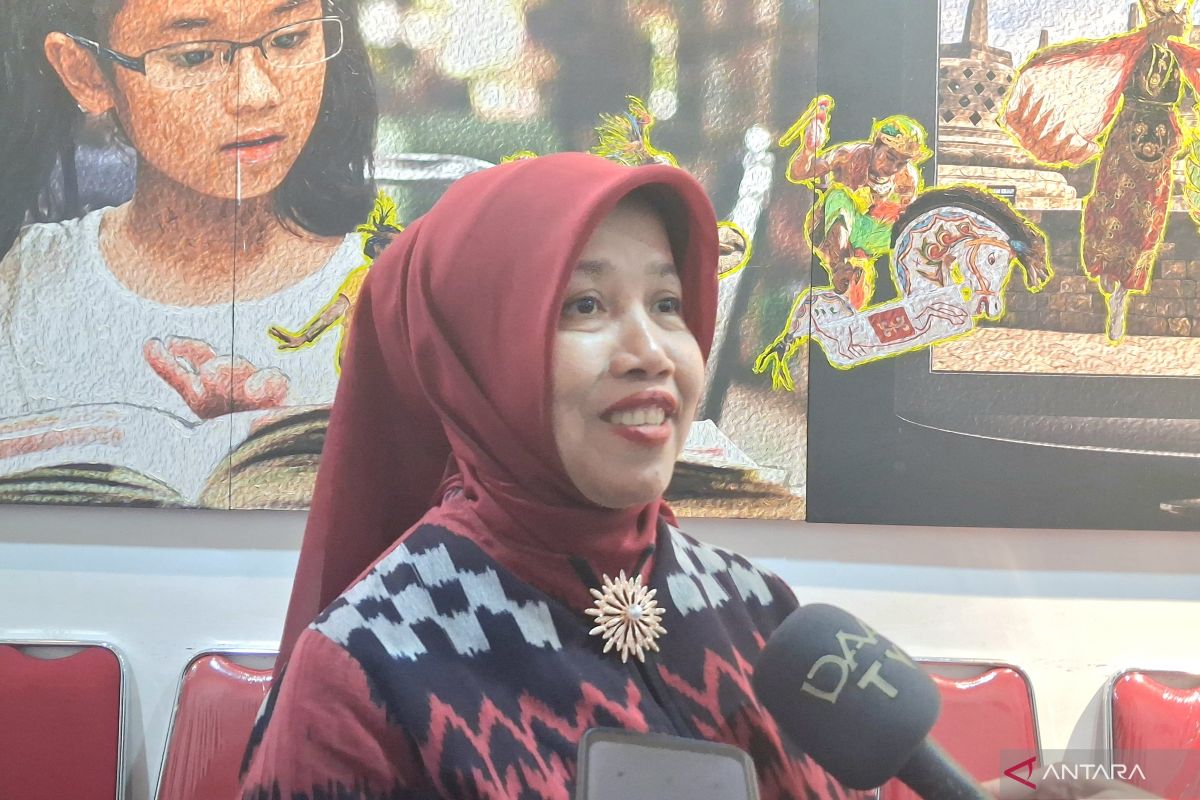
Jakarta (ANTARA) - The Ministry of Women Empowerment and Child Protection is encouraging strengthened coordination between ministries, agencies, and regional governments to ensure the availability of child protection protocols during forest and land fire (karhutla) situations.
“Moving forward, we will strengthen coordination with ministries, agencies, and regional governments to ensure the availability of child protection protocols in forest and land fire situations. This includes early warning systems, mapping of children and vulnerable groups, learning scenarios for when air quality deteriorates, healthcare services and psychosocial support, referral mechanisms, and the involvement of the Children’s Forum,” said the Acting Deputy for the Fulfilment of Children’s Rights at the Ministry, Rini Handayani, when contacted in Jakarta on Thursday.
This effort is crucial given that forest and land fires occurring in several regions impact not only the environment but also directly affect the lives and rights of children.
“Therefore, children must not be a party that waits until conditions worsen before being protected, and children must not become invisible victims in every disaster,” said Rini Handayani.
Her office continues to request that regional governments and all stakeholders ensure that the health, safety, education, care, and protection of children remain guaranteed during and after forest and land fires.
“Information to children and families must also be conveyed quickly, accurately, and in an easy-to-understand manner, including self-protection steps according to the conditions in their respective regions,” said Rini Handayani.
Based on Sipongi data from the Ministry of Forestry as of 1 September 2026, hotspots in West Kalimantan increased from 273 to 859; Central Kalimantan from 253 to 623; South Sumatra from 20 to 89; South Kalimantan from 22 to 73; Riau remained at 0; while Jambi increased from 0 to four hotspots.