
Central Papua trains Papuan mothers to manage local food for free nutritious meals programme
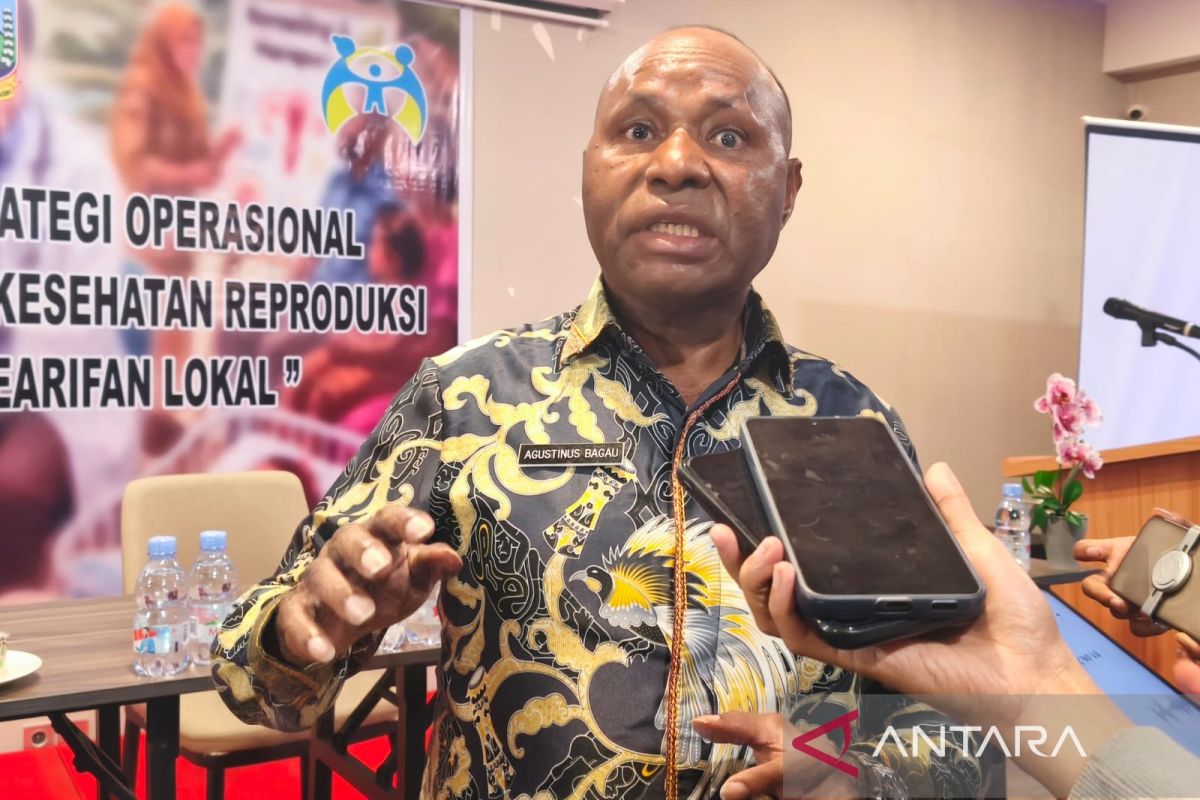
The Central Papua provincial government is organising training for Papuan mothers in villages so that they can manage local food resources to support the Free Nutritious Meals (MBG) programme.
Head of the Women’s Empowerment, Child Protection, and Family Planning Agency (P3AKB) of Central Papua, Agustinus Bagau, in Nabire on Thursday, stated that the training programme is a priority for the Governor of Central Papua.
“We have been entrusted as a regional apparatus organisation to train Papuan mothers so that they can process local foods in their respective areas,” he said.
He explained that the training is being prepared to support the operations of the Nutritional Fulfilment Service Unit (SPPG) kitchens in underdeveloped, frontier, and outermost (3T) areas.
According to him, Papuan mothers are being trained to process local food ingredients such as sago, fish, and tubers as alternative sources of nutrition, so as not to depend on rice or supplies from outside the region.
“When the SPPG kitchens are built, these trained mothers can immediately work as providers of nutritious food for schoolchildren,” he said.
He added that his office is currently mapping locations for building 3T SPPG kitchens in eight regencies in Central Papua, so that the training can be targeted appropriately around those kitchen sites.
In the future, this programme will also be developed by encouraging communities to plant and manage local food ingredients sustainably.
The Regional Coordinator of the National Nutrition Agency (BGN) in Nabire, Marsel Asyerem, appreciated the quick steps taken by the Central Papua provincial government in aligning the central programme with local needs.
He stated that specifically in the Nabire area, around 50 SPPG kitchen sites are needed in 3T areas, making women’s empowerment key to supporting the sustainability of the MBG programme.
According to Marsel, the involvement of Papuan mothers will also impact job absorption and reduce unemployment rates in the region.
“Moreover, the beneficiaries of this programme are their own children, so community participation becomes stronger,” he said.
He hopes that collaboration between the local government and BGN can continue to be strengthened so that the MBG programme runs optimally and provides real benefits for improving child nutrition in Central Papua.