
Central Papua Provincial Government Develops Data-Based Sanitation Roadmap
The sanitation roadmap must integrate the provision of safe sanitation access with the implementation of the Community-Based Total Sanitation (STBM) programme.
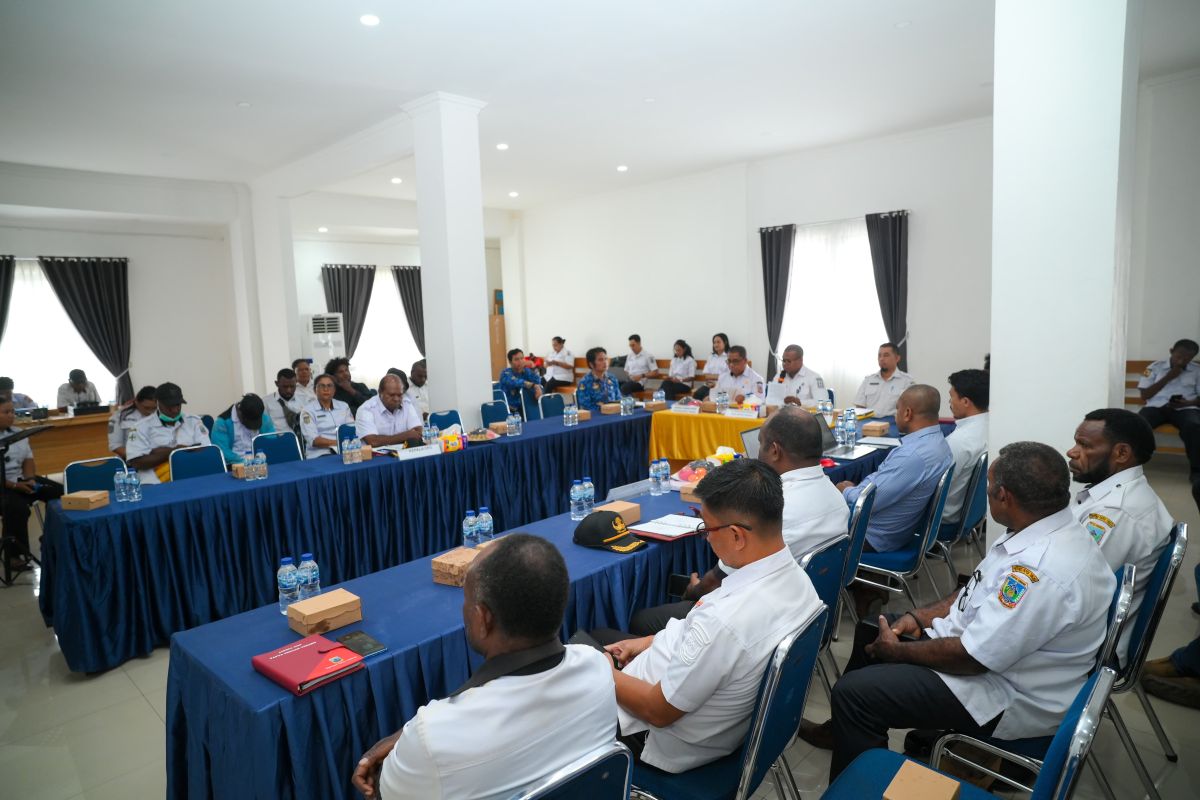
Nabire (ANTARA) – The Central Papua Provincial Government is developing a data-based sanitation roadmap to map needs, identify obstacles and set development priorities across the province’s eight regencies, so that programmes are targeted and sustainable.
Central Papua Governor Meki Nawipa said in Nabire on Wednesday that sanitation planning must be based on actual conditions in the field, ensuring that policies and infrastructure development meet the needs of the community.
“Sanitation is not merely a matter of building physical facilities and infrastructure. More than that, it is an important pillar of health development, improving quality of life and realising community welfare,” Meki said in his opening remarks at the first focus group discussion (FGD) on the preparation of the Central Papua Provincial Sanitation Roadmap for 2026.
He said adequate and safe sanitation was closely linked to efforts to reduce stunting, prevent infectious diseases and protect the environment sustainably.
Through the FGD, the government has begun identifying current sanitation conditions and achievements, obstacles in the field, and infrastructure needs according to regional clusters. The discussions are expected to inform a planning document that reflects the needs of each area.
He said the sanitation roadmap must integrate the provision of safe sanitation access with the implementation of the Community-Based Total Sanitation (STBM) programme. Sanitation development should therefore focus not only on providing facilities, but also on encouraging changes towards clean and healthy living.
According to Nawipa, preparing and implementing the roadmap will require cooperation between the provincial and regency governments, alongside the involvement of community leaders, academics and development partners.
He urged FGD participants to provide valid and verifiable data and information. Sanitation planning at regency level should also be aligned with provincial policy so programmes are integrated and mutually supportive.
The resulting document, he added, must be practical and well-targeted, and take account of the local wisdom of Central Papua’s communities so it can be implemented realistically and deliver lasting benefits.
He said the sanitation roadmap should also align with Central Papua’s health development priorities, including the construction of a provincial hospital and the strengthening of Posyandu and Pro-Sehat programmes.
This integration is expected to ensure sanitation development proceeds alongside other health interventions, improving health protection for communities across the province’s eight regencies.