
Central Papua Prepares Integrated Vocational School Programme to Curb Unemployment
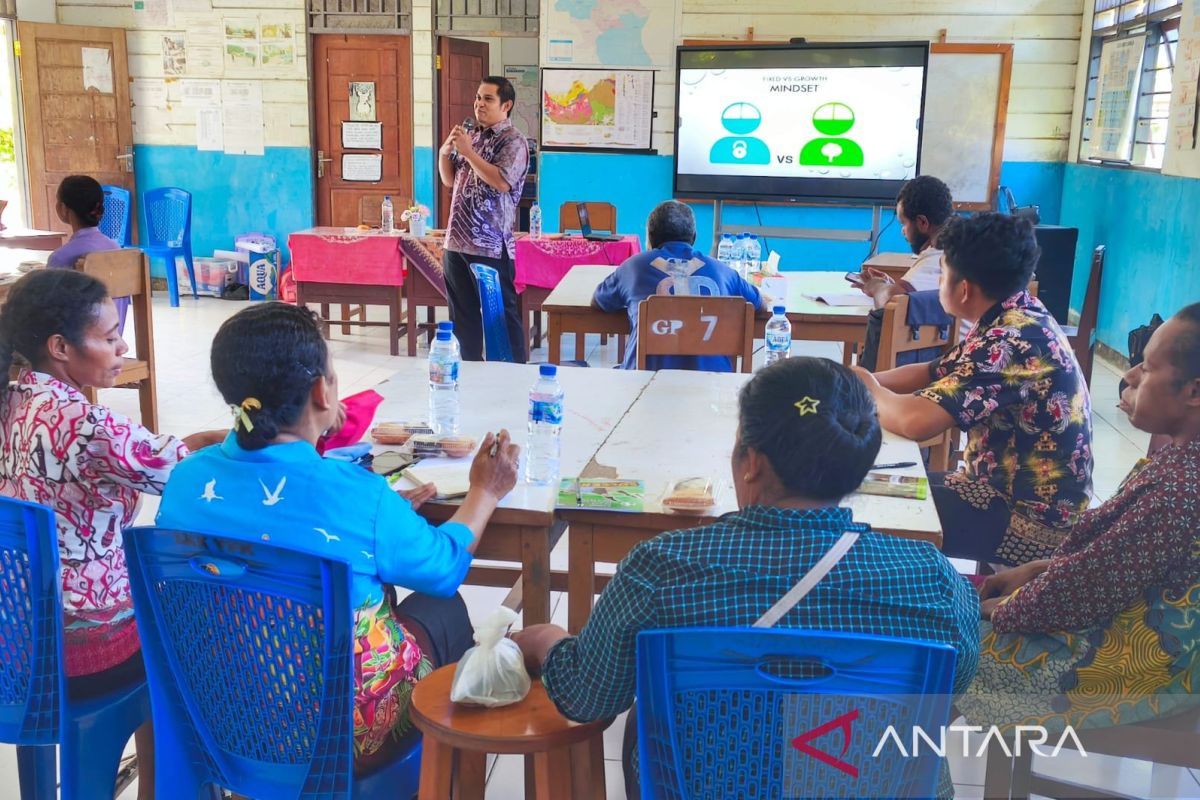
Nabire (ANTARA) - The Central Papua Provincial Government is preparing an Integrated Vocational Secondary School (SMK) programme as an effort to reduce unemployment, poverty and the number of out-of-school children (ATS) by strengthening skills-based vocational education and community economic empowerment.
Yulianus Kuayo, Head of the Data Division at the Central Papua Education and Culture Office, said in Nabire on Tuesday that the concept emerged from mapping the various social problems still facing Central Papua, such as high unemployment, poverty, school dropouts, and a rise in assorted social issues.
“For the context of Papua today, the Integrated SMK is one of the most appropriate solutions,” he said.
According to him, SMK schools have so far only been accessible to graduates of formal junior secondary schools, meaning that poor citizens, out-of-school children and unemployed people of productive age have not yet had the opportunity to undertake vocational education.
For this reason, he said, the Integrated SMK concept combines three educational pathways under a single management structure: regular SMK for school-age learners, Community Learning Activity Centres (PKBM) for citizens without formal qualifications through the Paket A, B and C programmes, and Course and Training Institutions (LKP) for school or university graduates who need workplace skills.
“The teachers can be the same people, but they carry out functions across all three pathways. Learning for PKBM and LKP participants also relies more heavily on a practical skills approach,” he said.
He said the approach is expected to broaden access to education whilst also improving the competence of people of productive age, so they are better prepared to enter the workforce or build independent businesses.
As an initial stage, the Central Papua Provincial Government has designated four private church foundation-based SMKs as pilot projects in three regencies.
In Nabire Regency, SMKS YPPK St. Joseph Calasanz Wanggar is being developed as a livestock feed production centre, whilst SMKS YPK Dr. Nomansen Kalibobo is focused on clean water processing and renewable energy.
Meanwhile, SMKS YPPGI Jehezkiel Dumapa Idakebo in Dogiyai Regency is being directed to develop horticultural farming and laying hen husbandry, whilst SMKS YPPK Santo Yohanes Pembabtis Gaiyabi in Deiyai Regency is being developed for pig farming, both breeding and fattening.
He explained that church foundation-based schools were chosen because of their closeness to the community, making them considered more effective in developing empowerment programmes.
The government has now entered the stage of strengthening school governance and management, having previously completed a feasibility study.
Next year the programme will continue with the fulfilment of facilities and infrastructure standards, improvement of teacher competence, and refinement of the curriculum.
According to Yulianus, the Integrated SMK is an implementation of the Central Papua Governor’s priority programme to build community-based Community Colleges to strengthen the local economy and improve the quality of human resources.
He hopes the model can serve as an example of vocational education development capable of reducing unemployment and poverty, and be replicated in other regencies across Central Papua once the four pilot schools are declared self-sufficient.