
Central Papua Health Office enhances collaboration to curb malaria cases
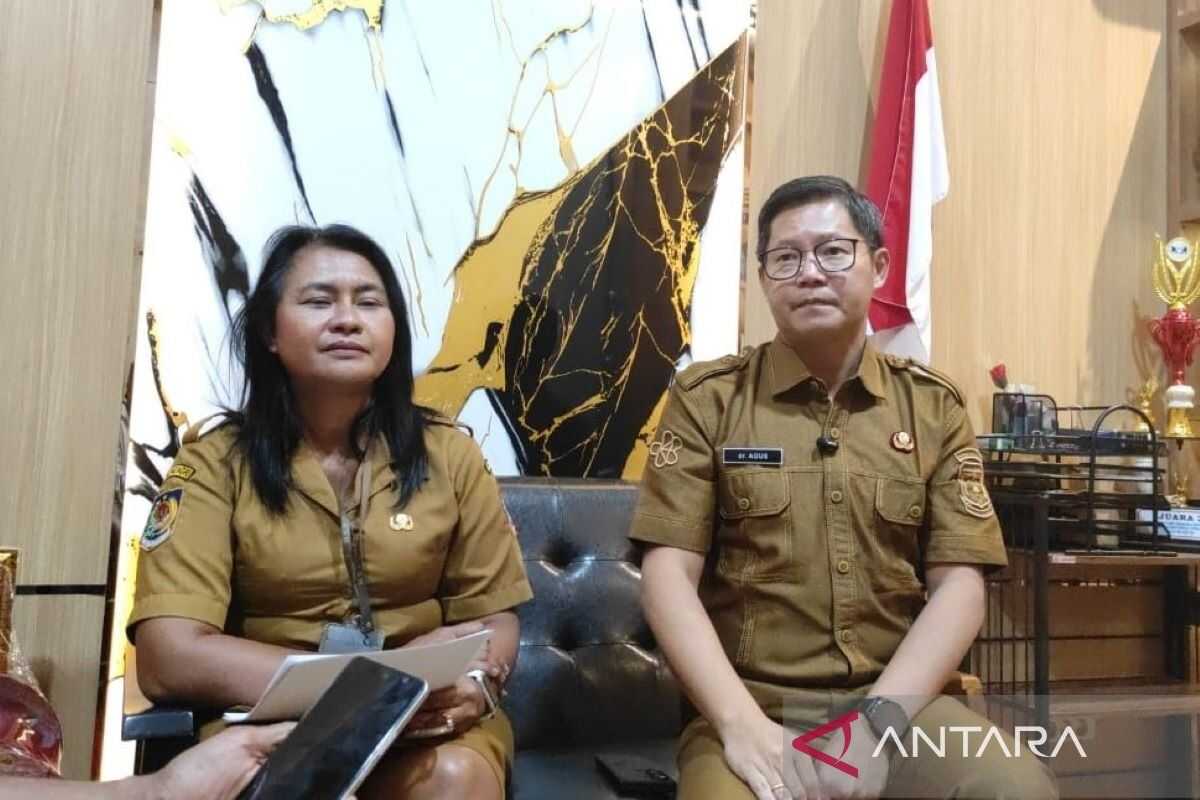
Nabire (ANTARA) - The Central Papua Provincial Health Office is optimising cross-sector collaboration, strengthening service delivery, and enhancing human resources to accelerate malaria elimination in the region. Acting Head of the Central Papua Health Office, Agus, in Nabire on Wednesday, said all stakeholders must support the accelerated elimination of malaria given the high case numbers in the area. ‘Collaboration is a sure way to reduce malaria figures. We must know the root causes so we can break the chain of transmission,’ he said. Mimika Regency is the highest contributor with 190,597 cases, followed by Nabire with 8,744 cases, Puncak with 3,025 cases, and Puncak Jaya with 2,031 cases. Meanwhile, relatively lower cases were recorded in Intan Jaya 334 cases, Paniai 273 cases, Deiyai 51 cases, and Dogiyai 13 cases. He noted that the high malaria figures are influenced by the presence of Anopheles mosquitoes as vectors carrying the Plasmodium parasite, as well as environmental factors such as high rainfall throughout the year which creates many water puddles as breeding sites for mosquitoes. ‘Environmental cleanliness and healthy living behaviours also have a strong influence in malaria control,’ he said. Handling efforts are carried out through early case detection via active community screening, strengthened malaria surveillance, optimised reporting through the Malaria Surveillance Information System (Sismal), integration of health programmes, and cross-sector collaboration. He stressed the importance of early detection through mass blood testing, for both sick residents and those without symptoms. To that end, involvement of community figures is required from RT/RW levels, village heads, lurahs, to district authorities. The Malaria Programme Manager of the Central Papua Health Office, Yenice Derek, added that to suppress malaria in Mimika Regency a programme titled ‘Tempo Kas Tuntas’ or ‘Tanggulangi Eliminasi Malaria melalui Pemeriksaan Darah dan Obat serta Pemantauan Kepatuhan Pengobatan sampai Tuntas’ will be implemented. The programme includes active door-to-door blood testing, vector mapping and control through larvicides, environmental modification, spraying with IRS and fogging, training of microscopists, advocacy by community leaders, and distribution of mass mosquito nets. In Nabire, programme focus includes training of microscopists, strengthening early case detection at health facilities, improving the quality of Sismal surveillance, promotive and preventive activities such as socialisation of bed-net use, and cross-program and cross-sector coordination. ‘Cooperation, education, and the care of all stakeholders, including the community, in maintaining environmental cleanliness and healthy living habits will greatly help reduce malaria cases,’ Yenice said.