
Central Papua boosts community economy through forest management
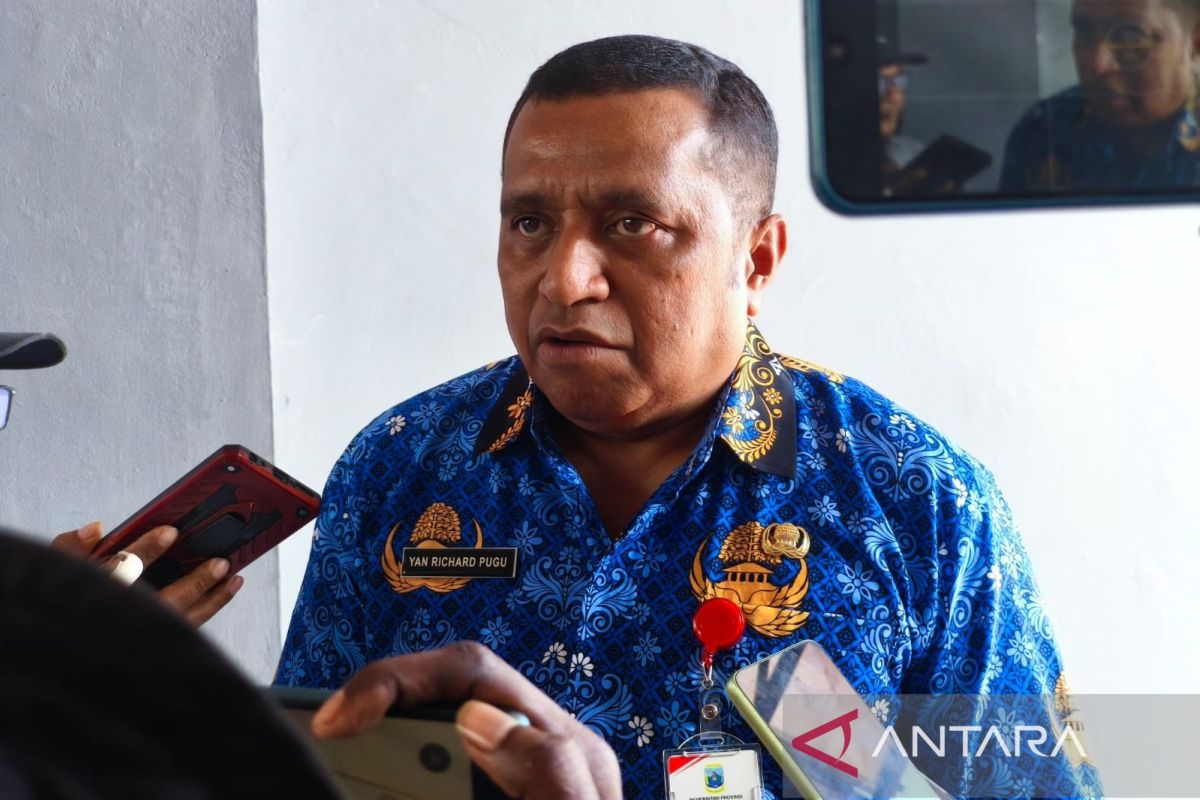
Nabire, Central Papua — The Central Papua Provincial Government is driving economic growth for local communities through sustainable forest management by developing the use of non-timber forest products and strengthening the empowerment of indigenous peoples living near forest areas.
The Head of the Environmental, Forestry, and Land Office (DLHKP) of Central Papua, Yan Richard Pugu, stated in Nabiente on Monday that communities residing near forest areas must derive economic benefits from forest conservation so that their welfare can increase without damaging the environment.
“Communities need to be made aware of the importance of protecting the forest, but there also needs to be an approach to change forest management patterns. For example, through the utilisation of non-timber forest products such as sago and rattan, or the development of tourism areas to create economic value,” he said.
Central Papua covers an area of approximately 61,073 square kilometres, with forest areas reaching about 3.9 million hectares, consisting of protected forests, production forests, and other use areas, he explained.
Of this total area, approximately 2.3 million hectares, or 58.7 per cent, are protected forest areas, which require sustainable protection and management.
According to him, the provincial government has also empowered communities through the formation of sago business farmer groups in several locations as an effort to create new income sources based on local potential.
In addition to sago, he stated that the provincial government is also encouraging the use of other non-timber forest commodities, such as rattan, to provide added economic value for indigenous communities who have traditionally relied on forest areas for their livelihoods.
Furthermore, he noted that there are currently three companies holding Forest Business Licences (PBPH) in Central Papua that are being encouraged to involve indigenous communities in all forest product utilisation activities.
He cited an example of a PBPH company in Kiliarma, Mimika Regency, which routinely provides compensation to indigenous communities based on the volume of production harvested.
Additionally, companies are being encouraged to distribute Corporate Social Responsibility (CSR) programmes, such as the construction of educational facilities and community empowerment activities around forest areas.
“We want the community to not just be spectators, but to also feel the economic benefits of sustainable forest management,” he said.
He added that since Central Papua became a new autonomous region, supervision of forestry activities has been tightened, resulting in a significant decrease in illegal logging practices and the illegal shipment of timber out of the region.
“We are conducting inspections and supervision more effectively, so that timber shipments out of the region have dropped drastically,” he said.
According to him, sustainable forest management is a crucial step in supporting low-carbon development while maintaining environmental sustainability in Central Papua, amidst increasing global attention to climate change issues.