
Central Lombok Regency Launches Chilli Planting Initiative to Combat Inflation
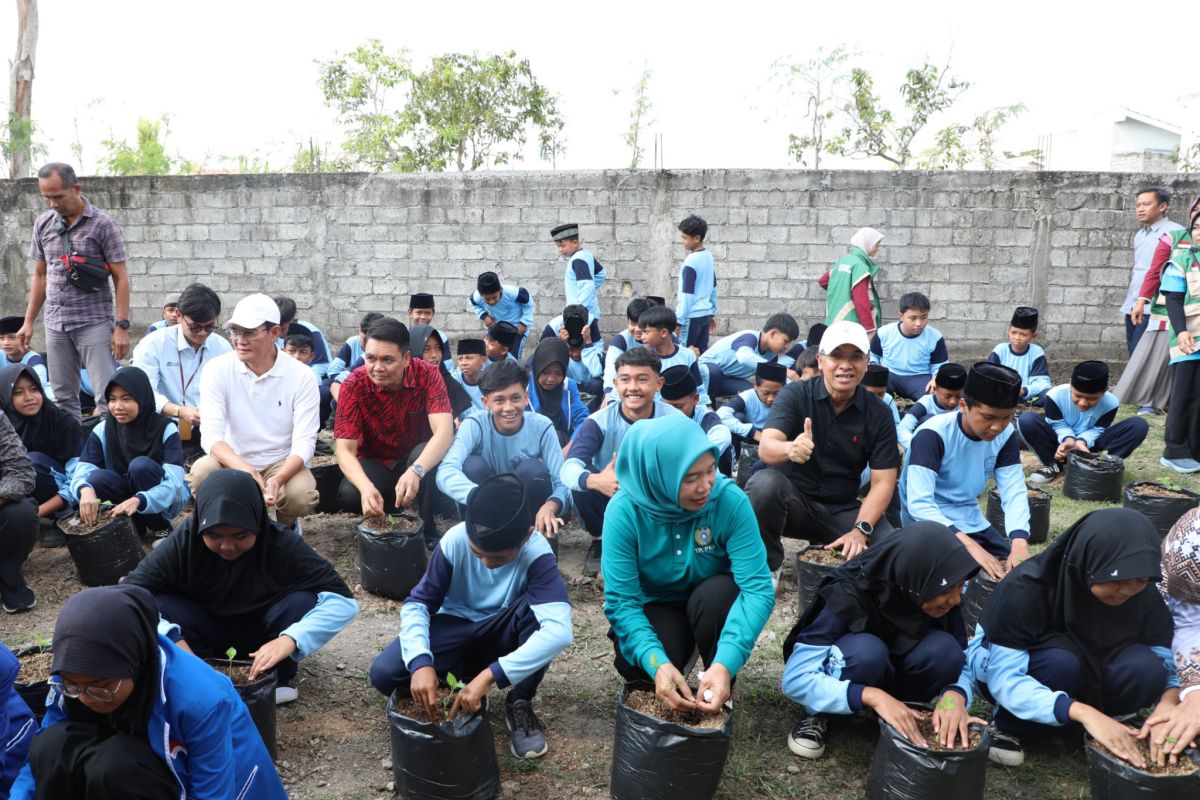
The Central Lombok Regency government in West Nusa Tenggara (NTB) has officially launched the ‘Bersama Siswa Tanam Cabai atasi Inflasi’ (Besti) programme, an initiative to plant chillies as part of a movement to control inflation.
“This programme involves educational units throughout the Central Lombok region,” stated the Vice Regent of Central Lombok, HM Nursiah, during the launch event held at SMP Negeri 1 Praya Tengah on Saturday. She noted that controlling inflation, particularly for chilli commodities which frequently experience price fluctuations, requires strategic steps involving all elements of society.
“One tangible effort that can be undertaken is building awareness and a culture of planting from an early age through the educational environment,” she said. According to the Vice Regent, schools are strategic locations for instilling values of environmental care and food security, as well as building the character of an innovative and productive younger generation.
“Through this programme, students will not only gain knowledge in the classroom but also direct experience in cultivating crops that hold economic value and benefit the community,” she added. She expressed hope that this movement would not remain a mere ceremonial activity but would become an established culture within school environments.
She also emphasised the importance of synergy between the local government, schools, field agricultural extension officers (PPL), farmer groups, and all stakeholders to ensure the programme operates optimally. Technical assistance, from the planting process to the harvest period, is considered a vital factor in ensuring the success of the Chilli Planting Movement in every school.
Furthermore, the Vice Regent hopes that headteachers can integrate the chilli planting movement into the learning process so that students understand both the theory and the practical skills required for agriculture, while remaining aware of the importance of maintaining food price stability. She is optimistic that if managed well, the harvest will not only meet school needs but also potentially contribute to controlling inflation in Central Lombok Regency.
“This programme must continue to be expanded to other educational institutions, including Islamic boarding schools (pesantren), which possess significant land potential to support the food security movement,” she concluded.