
Central Java Regional Secretary Investigated by Prosecutors Over School Smartboard Procurement
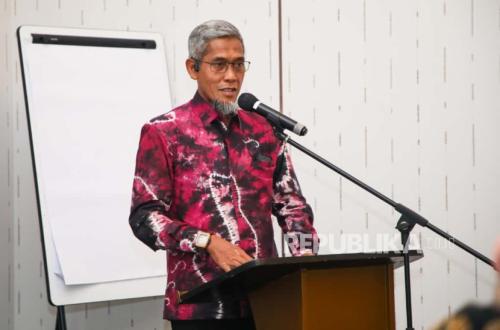
The High Prosecutor’s Office (Kejati) of Central Java Province has questioned Regional Secretary (Sekda) of Central Java Province Sumarno concerning the procurement of Interactive Flat Panels (IFP) or smartboards, which form part of a digital education programme known as smart classroom. The questioning of Sumarno took place on Monday, 16 March 2026.
“Indeed, the Regional Secretary was only asked for clarification regarding the activities and how the process worked, as we are conducting an investigation,” said Ade Hermawan, Assistant for Special Criminal Cases at Kejati Central Java, on Tuesday, 17 March 2026.
He added that Kejati Central Java is investigating IFP procurement across 13 regencies and cities in Central Java during 2024. “We are still tracing the process of implementation of these activities comprehensively across 13 regencies and cities. The investigation is being conducted to understand the procurement mechanism and to determine whether there are any indications of violations,” he stated.
According to Ade, Kejati Central Java will subsequently summon and question officials from the 13 regencies and cities involved. Particularly those who bear responsibility for the procurement of goods and services.
“The 13 regencies and cities will also receive summonses. When announced by the investigator, we will certainly request their statements,” said Ade.
On Monday last week, Central Java Regional Secretary Sumarno provided a brief statement to the media regarding the summons and questioning by Kejati Central Java. Sumarno stated that he had appeared to provide clarification regarding financial assistance provided to regencies and cities relating to the smart classroom programme.
“It was only confirmation about financial assistance to regencies and cities. But I do not yet know precisely what indications there may be; this is still just a matter of questions,” said Sumarno.
The digital education programme, or smart classroom, was initiated by the Ministry of Basic and Secondary Education (Kemendikdasmen). The programme aims for at least 315,000 educational institutions. In implementing the smart classroom programme, several supporting facilities need to be provided, including interactive whiteboards (smartboards), laptops, and satellite internet.