
Central Java Regional Council Calls for a Just Clean Energy Policy
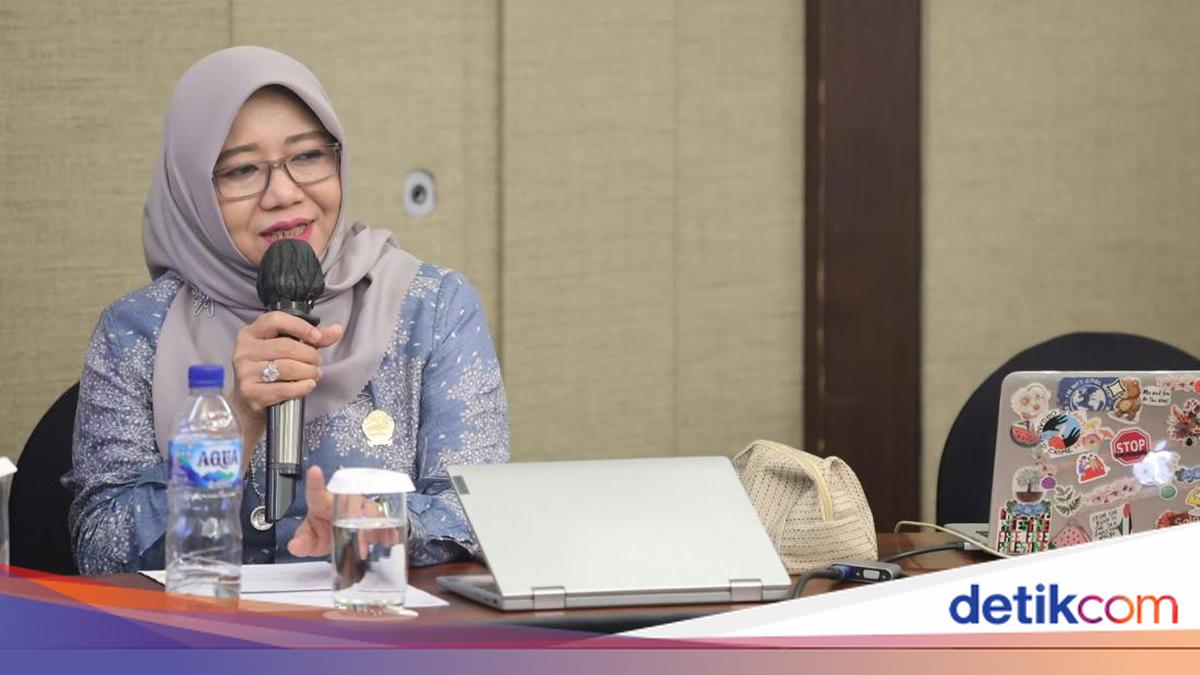
“Today’s discussion has been very useful, particularly because the provincial government still needs to refine the drafting of the Regional Regulation on the Regional Energy Plan (RUED) so that it complies with the latest provisions. We hope these various contributions can provide important input for deliberations on the draft regulation in 2027,” said Nur Saadah, chair of Commission D of the Central Java Provincial Regional House of Representatives, in a written statement on Monday (2 November 2026).
Ida, as Nur Saadah is known, said that preparing a new RUED was an opportunity to align regional energy policy with developments in national regulations, technological advances and community needs. She made the remarks at the Multistakeholder Forum on Just Energy Transition, organised by the Indonesian Parliamentary Center (IPC) and Pattiro Semarang on Thursday (29 October).
She said the Central Java RUED, currently in force under Regional Regulation No. 12 of 2018, needed updating to address the challenges of the energy transition. The draft regulation has been included in the Regional Regulation Formation Programme (Propemperda) for discussion in 2027. The results of discussions among stakeholders are expected to inform its preparation.
She also highlighted geothermal development, including plans to drill in the Mount Ungaran area, which have raised questions among residents. She said the central government’s authority to set policy and appoint project implementers should not come at the expense of the public’s need for information or the regional government’s role in gathering residents’ views.
Ida said the Regional House of Representatives had contacted the Ministry of Energy and Mineral Resources (ESDM) to seek an explanation of the project’s development plans. She urged the central government and relevant parties, including state-owned electricity company PT PLN, to engage with communities from the outset so that the project’s objectives, benefits, risks and impacts could be fully understood.
“Geothermal energy certainly has considerable potential benefits from the perspectives of both government and researchers. However, this information has not been widely conveyed to the public. Two-way communication must therefore begin promptly to prevent misunderstandings and negative perceptions,” Ida said.
The issue is an important part of the just energy transition agenda. Central Java has significant renewable energy potential, ranging from solar power to geothermal energy.
A study by the Institute for Essential Services Reform (IESR) found that Central Java has 285,490 megawatts (MW) of technical potential for utility-scale renewable power generation. Of that total, around 12,350 MW is considered financially viable. This is far higher than the province’s installed renewable energy capacity, recorded at 572.75 MW.
In addition, the province’s macro-level rooftop solar potential is estimated at 120 gigawatt-peak (GWp). Its development, however, still faces constraints in the capacity of the electricity grid.
Ida said the Regional House of Representatives would examine the substance of the draft RUED once the provincial government had submitted the official document. The academic paper is one of the key documents that must be prepared to ensure deliberations are supported by robust analysis of regulations, energy needs, programme feasibility, and social and environmental impacts.
With a more adaptable and participatory RUED, the transition to clean energy in Central Java is expected to proceed in a measured way without overlooking the interests of local communities.