
Central Java Mobility Rises, Kertanegara Train Passengers Reach 168,000
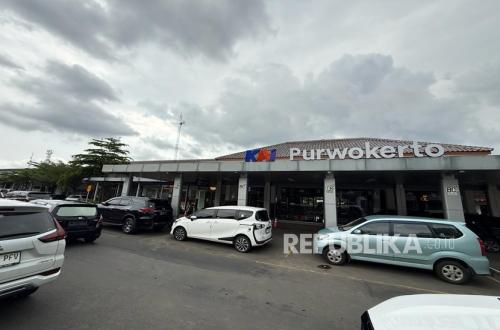
Public mobility across the central route of Java continues to show an upward trend. PT Kereta Api Indonesia (Persero) recorded that the number of Kertanegara train passengers on the Malang–Purwokerto return route reached 168,085 people between January and May 2026, representing a 5.29 per cent increase compared to 159,637 passengers during the same period last year.
Anne Purba, Vice President of Corporate Communication at KAI, stated that the increase in passengers indicates that the Kertanegara train is becoming a preferred choice for intercity travel across East Java, the Special Region of Yogyakarta, and Central Java. According to her, the service strengthens connectivity along the central Java route while supporting various community activities.
“The Kertanegara train provides passengers with a comfortable travel option to reach Malang, Blitar, Kediri, Madiun, Solo, Yogyakarta, Kebumen, and Purwokerto. This route is relevant for families, students, workers, entrepreneurs, and tourists who require scheduled transportation that connects different regions,” Anne said in a written statement on Monday (29/6/2026).
KAI noted that the highest surge in passengers occurred in March 2026. During that month, the Kertanegara train served 41,282 passengers, a 65.94 per cent increase compared to March 2025, which recorded 24,877 passengers. Meanwhile, in May 2026, the number of passengers reached 35,807, up from 31,811 passengers in May of the previous year.
Operating since 10 March 2021, the Kertanegara train serves the central Java route with executive and premium economy class options. The train connects several cities including Malang, Blitar, Kediri, Madiun, Solo, Yogyakarta, Kebumen, and Purwokerto, making it a viable transport alternative for education, work, and tourism purposes.
Anne further explained that the presence of the Kertanegara train also impacts economic activities in the regions it traverses. The increase in passenger mobility is believed to have the potential to drive secondary transport sectors, micro-businesses, culinary industries, accommodation, and tourist destinations around the stations.
“Every stop has a story and benefits its region. There are passengers heading to universities, meeting families, working, travelling, or conducting business. KAI wants travel on the Kertanegara train to feel pleasant from departure, comfortable during the journey, and to provide value to the cities it passes through,” said Anne.
KAI advises the public to plan their journeys in advance, especially ahead of weekends and school holidays, given the high interest in using the Kertanegara service. Information regarding schedules, fares, and seat availability can be accessed through KAI’s official sales channels.