
Central Java Governor: Waste Management Requires Collective Action
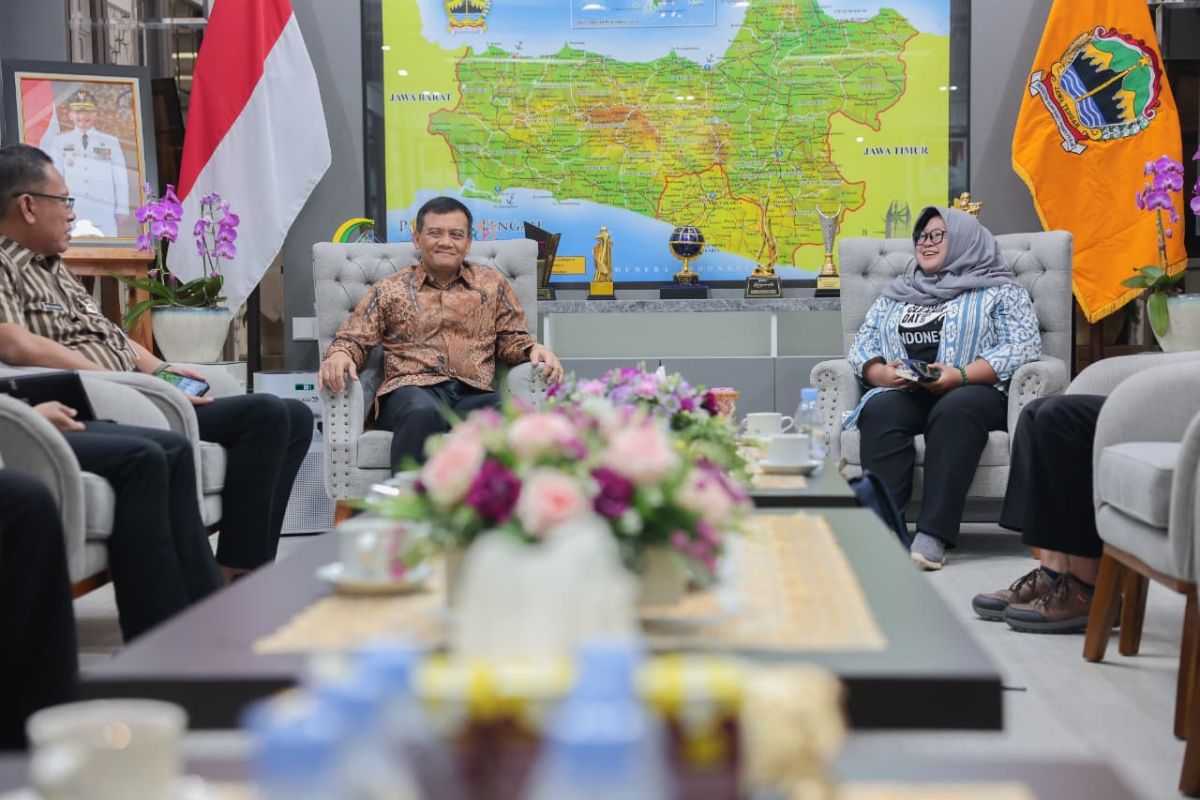
Central Java Governor Ahmad Luthfi has stated that waste management in the region requires collective action from the government, the public, communities, and the business sector. “The most fundamental aspect is awareness. Therefore, this activity is a very good momentum. I agree, we will support it later,” said Governor Ahmad Luthfi during an audience with the Central Java World Cleanup Day (WCD) committee in Semarang on Tuesday. According to him, several areas in Central Java have implemented waste management tailored to their respective local conditions and needs, such as the development of Refuse-Derived Fuel (RDF) in Cilacap and Banyumas. He therefore encouraged other regions in Central Java to strengthen integrated waste management. He expressed hope that the WCD movement would not stop at clean-up activities during a single moment but could be carried out sustainably. Its implementation is also expected to reach more areas and involve regents, mayors, and all stakeholders. Meanwhile, Central Java WCD Leader Septiany Punti Dewi said the series of events for the eighth WCD would take place from 17 August to 28 October 2026, under the theme “Youth Clean-Up to Liberate Waste”. “World Cleanup Day is held in more than 200 countries, and Indonesia is one of them. Coincidentally, this year is the eighth year. Alhamdulillah, Central Java always ranks first for the highest number of volunteers,” she said. Central Java WCD Programme Coordinator Purnawirawan added that one of the ongoing activities is the Zero Waste School programme in Kudus Regency. “We also target teachers because they must be able to set an example for the children. Schools as places of learning need to instil awareness in students. The hope is that these habits will then be applied at home,” he said. According to him, the biggest challenge in waste management is the mindset of some members of the public who consider waste issues to be entirely the government’s responsibility. Therefore, in addition to continuous education, he assessed that the implementation of regulations and sanctions needs to be strengthened so that the public is encouraged to take responsibility for the waste they produce from the source.