
Central Java Governor states National MTQ brings a sense of peace
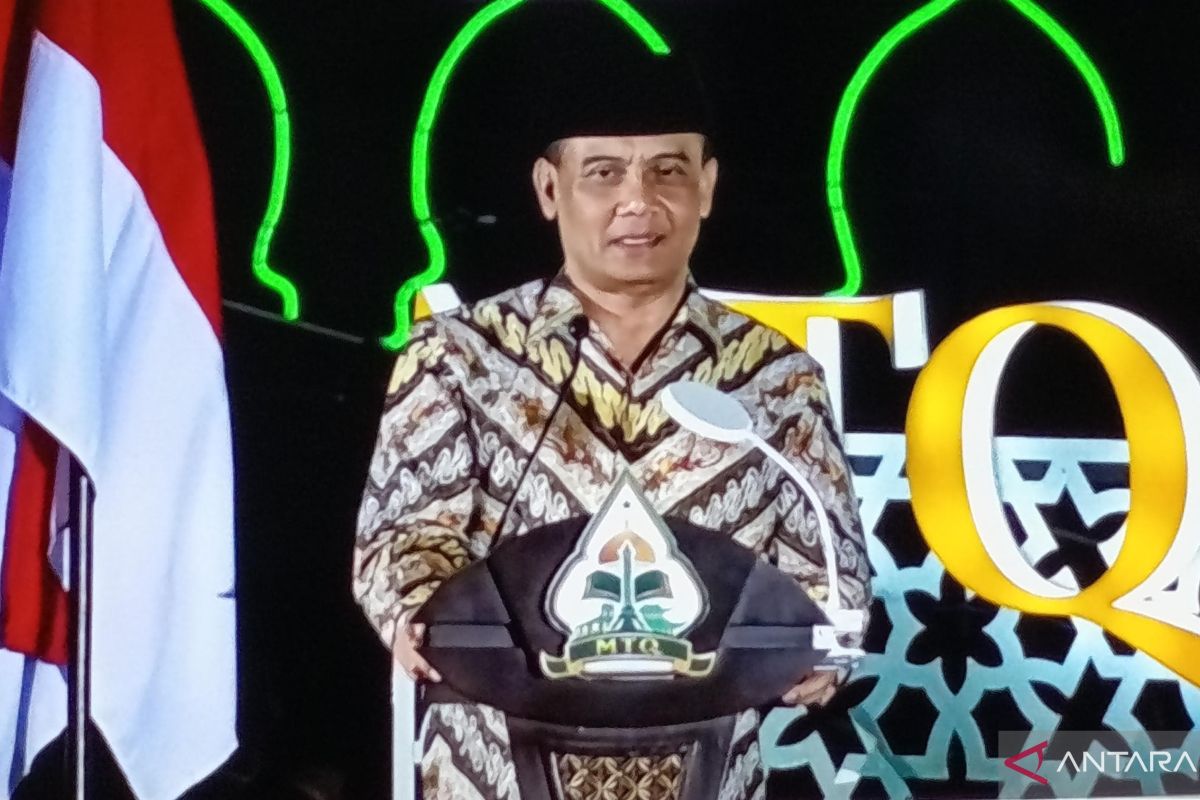
Semarang (ANTARA) - The Governor of Central Java, Ahmad Luthfi, expressed that the hosting of the 31st National Musabaqah Tilawatil Qur’an (MTQ) in Semarang, Central Java, has brought a sense of peace and tranquility to the region.
“For nine days, we have been together in a solemn atmosphere, glorifying the divine word,” he said during the closing ceremony of the 31st National MTQ at Simpang Lima Square, Semarang, on Saturday night.
He noted that the recitation of holy Al-Quran verses at various locations throughout Semarang during the event brought a serene atmosphere.
“The wisdom for Central Java Province and its 35 regencies/cities is that for nine days, it has been calm, peaceful, and free from any unrest regarding the MTQ,” he stated.
The influence of the National MTQ, according to him, was even felt on social media platforms, which are typically crowded with various information of uncertain origin or truth.
“Social media was filled with the Musabaqah Tilawatil Quran for nine days,” he said.
“We would like to suggest to the Minister that, if possible, Musabaqah Tilawatil Quran should be conducted every day across all provinces of the Republic of Indonesia,” he added during the event, which was attended by the Minister of Religious Affairs, Nasaruddin Umar.
He expressed hope that the implementation of the National MTQ could encourage people to perform more good deeds, including ceasing the spread of misinformation online.
“First, we must maintain the integrity and dignity of the MTQ. Professionalism, objectivity, transparency, and accountability, especially within the judging and assessment systems, must continue to be strengthened,” he said.
Second, Central Java can strengthen MTQ development sustainably through participant regeneration, increasing the competence of coaches and judges, and strengthening Al-Quran educational institutions.
Third, Central Java can synergise in implementing standardised training, participant selection, material preparation, judging systems, and MTQ governance.
“Fourth, we must strengthen local government support, including policy, institutional, and budgetary support, to ensure that Quranic recitation development becomes increasingly robust and sustainable,” he concluded.